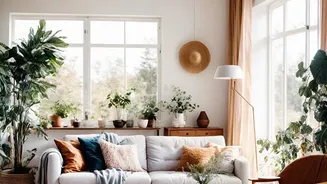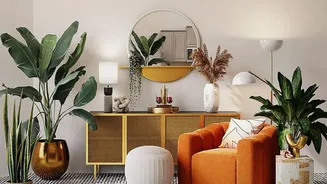



First, Understand Your Home's Light
Before you buy a single plant, take a day to observe the light in your home. Light is the food source for plants, and matching the plant to the available light is the most crucial step. A simple way to gauge light is the 'hand shadow test'. At the brightest
time of day, hold your hand a foot or two above where you want to place a plant. A sharp, clearly defined shadow means you have high or direct light. A softer, fuzzier shadow indicates medium or bright, indirect light. If the shadow is very faint and hard to see, you have low light. Also, consider the direction your windows face. In India, south-facing windows get the most intense, direct sun, while north-facing windows provide the least. East-facing windows offer gentle morning sun, and west-facing windows get strong afternoon sun.
Low-Light Champions for Dim Corners
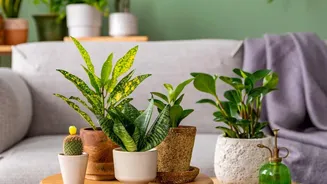
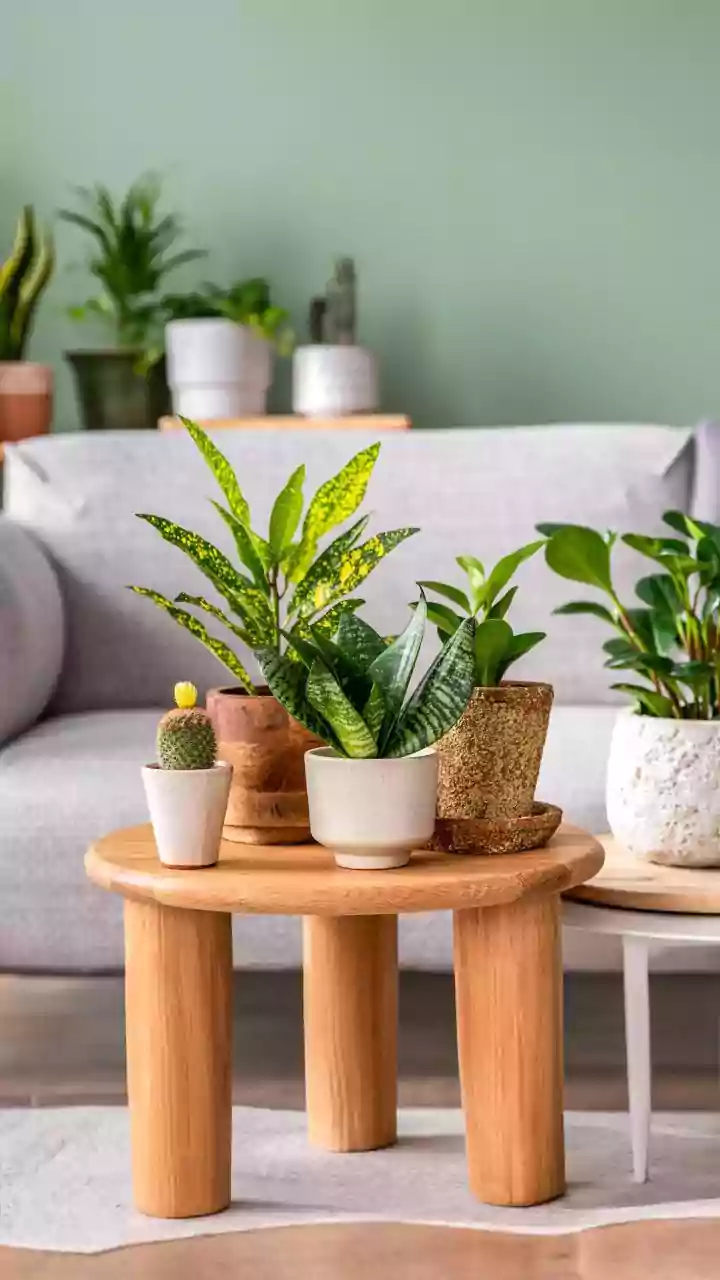
Many Indian apartments and homes have corners or rooms that don't receive direct sunlight. This doesn't mean you can't have plants! It just means you need to choose species that have adapted to thrive in the shade. These are often called low-light tolerant plants, and they are famously forgiving for beginners. The Snake Plant is almost indestructible, known for its air-purifying qualities and ability to survive with very little water or light. Similarly, the ZZ Plant, with its glossy, dark leaves, is a perfect choice for windowless rooms or hallways as it stores water in its roots and tolerates neglect. The ever-popular Money Plant (Pothos) is also very adaptable, able to grow in low to medium light, making it a staple in Indian homes for good reason. Peace Lilies are another fantastic option, as they can even produce their elegant white flowers in shaded conditions.
All-Stars for Bright, Indirect Light
The most common condition in many homes is 'bright, indirect light'. This refers to a spot near a window but out of the direct, scorching rays of the sun. This is the sweet spot for a huge variety of popular houseplants. The Spider Plant is a classic choice, with its arching leaves and easy-to-propagate 'pups'. It does well in bright, filtered light and adds a cheerful look to any room. For a tropical statement, the Monstera Deliciosa, with its iconic split leaves, thrives in these conditions. Heartleaf Philodendrons are incredibly versatile, perfect for trailing from shelves or climbing up a support. The Areca Palm is another favourite for Indian living rooms, offering feathery fronds that create a lush, tropical feel, but it needs consistent moisture and protection from harsh sun.
Sun Worshippers for Bright Balconies
If you have a sunny, south-facing window or a balcony that gets several hours of direct sun, you can grow plants that love the heat and light. Succulents are a top choice for these spots. Varieties like Aloe Vera and the Jade Plant are well-suited to Indian summers, as they store water in their leaves and require minimal care. Flowering plants like Hibiscus and Bougainvillea are also excellent for a sun-drenched balcony, providing vibrant bursts of colour. These plants are generally more drought-tolerant once established but will need more frequent watering than their low-light counterparts, especially during hot summer months. Always ensure pots for outdoor plants have good drainage to prevent waterlogging during monsoon season.