



Understanding Karat Purity
The term 'karat' (K) measures the purity of gold on a 24-point scale. Each karat represents 1/24th, or about 4.17%, of pure gold in the item. Therefore, the higher the karat number, the greater the amount of pure gold in your metal. This purity level
is a key factor that determines the gold's properties, value, and appropriate use. It’s important not to confuse 'karat' with 'carat,' which is a unit of weight for gemstones.
24K Gold: The Purest Form
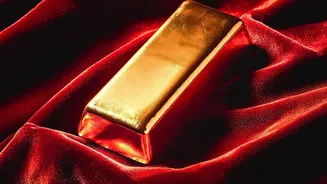
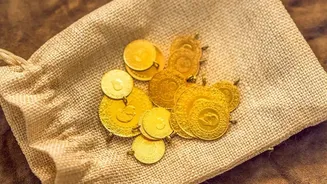
24K gold is the purest gold you can buy, with a purity of 99.9%. It has a distinct, bright yellow colour and contains no other mixed metals. This purity makes it the most valuable and, consequently, the most expensive form of gold. However, pure gold is very soft and malleable, making it prone to scratching and bending. Because of this softness, it's generally considered unsuitable for everyday jewellery. Its primary use is for investment purposes, typically in the form of coins and bars.
22K Gold: The Durable Standard
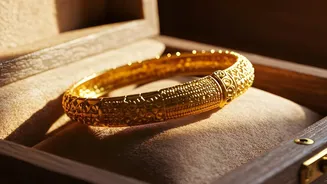
22K gold consists of 22 parts pure gold and 2 parts other metals, making it 91.67% pure. This is why it's often hallmarked with the number '916'. The additional metals, usually copper, silver, or zinc, are added to create a harder, more durable alloy. This added strength makes 22K gold the preferred choice for making most gold jewellery in India, as it can withstand daily wear and hold intricate designs without getting deformed.
Jewellery: Which Karat Works Best?
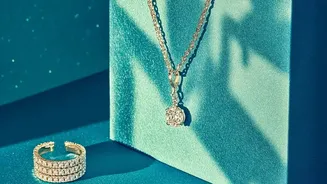
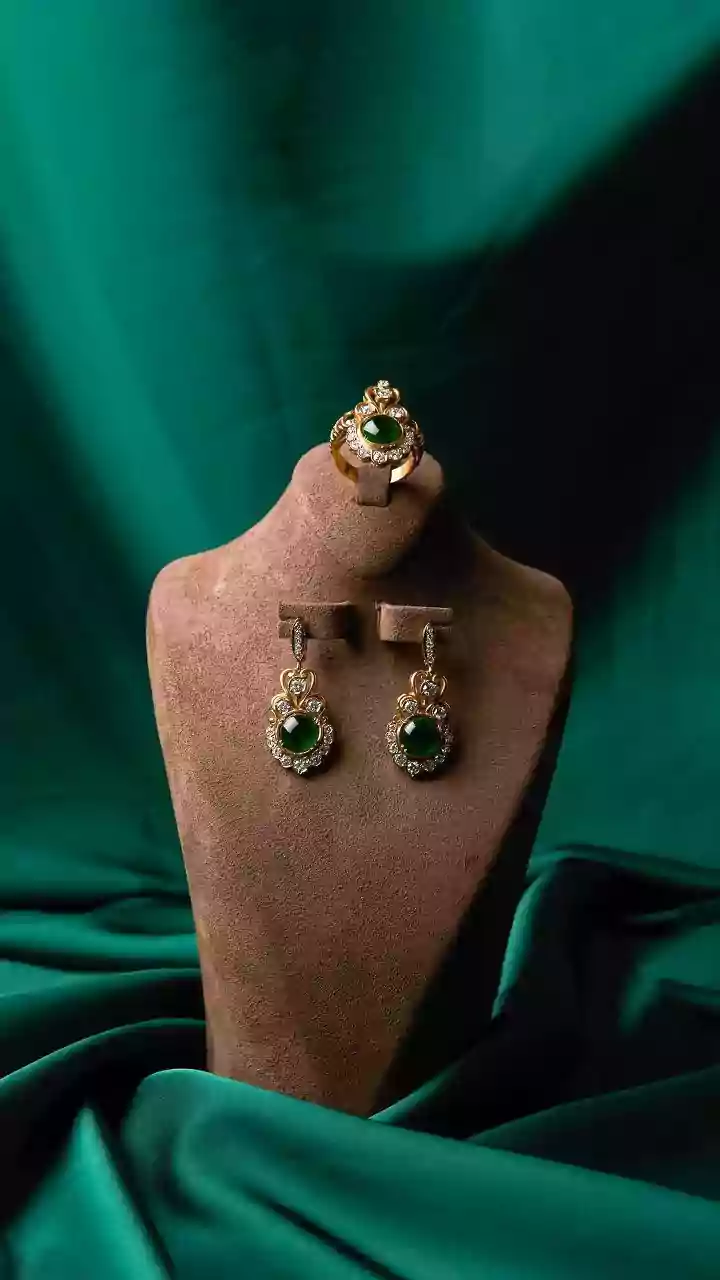
For jewellery, 22K gold is overwhelmingly the better and more practical choice. Its durability ensures that ornaments like bangles, chains, and rings retain their shape and can endure regular use. While 24K gold can be used for special ceremonial pieces, it is too soft to hold gemstones securely or resist the dents and scratches of daily life. Therefore, if you are buying gold to wear, 22K offers the ideal balance of high purity and functional strength.
Investment: Purity Is Paramount
When the goal is pure investment, 24K gold is the undisputed winner. Its value is tied directly to its high purity, and it is the global standard for gold bars and bullion coins. While 22K jewellery is also a store of value, its investment efficiency is lower. This is because the price of jewellery includes 'making charges'—the cost of labour and design—which can range from 8% to over 25%. These charges are not recoverable upon resale, as the buyer only pays for the melt value of the gold content. 24K gold coins and bars, on the other hand, have minimal to no making charges, ensuring your investment is almost entirely in the metal itself.
Price, Resale, and Hallmarking
Naturally, 24K gold is more expensive per gram than 22K gold due to its higher gold content. When it comes to resale, both are liquid assets. However, you'll get a price based on the pure gold content in the item. For 22K jewellery, the value will be calculated on its 91.67% purity, and the making charges you paid are lost. Regardless of the karat, always ensure your gold is BIS hallmarked. This certification guarantees its purity, with marks like '916' for 22K and '999' for 24K, protecting your purchase.