




From social media feeds to family advice, cumin water, or 'jeera pani', is hailed as a weight-loss miracle. This humble kitchen spice has become a wellness superstar. But can soaking seeds in water truly melt away fat and transform your health?
The Allure of the 'Miracle' Drink
Cumin water
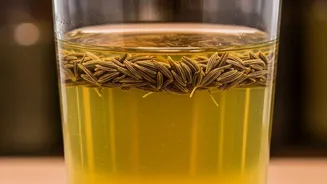
is a simple preparation made by soaking cumin seeds in water overnight or boiling them. In India, it's a familiar home remedy, traditionally used to aid digestion and soothe an upset stomach. Recently, however, its popularity has exploded online with bold claims. Influencers and wellness blogs often present it as a powerful 'detox' drink that can burn belly fat, supercharge metabolism, and lead to rapid weight loss with minimal effort. The appeal is obvious: it’s natural, inexpensive, and rooted in tradition, making it seem like a trustworthy secret weapon against weight gain.
The Claim: Cumin Water Melts Fat
The most powerful myth surrounding cumin water is its ability to 'melt' fat, especially stubborn belly fat. The theory is that compounds in cumin, like thymoquinone, boost your metabolic rate, causing your body to burn more calories. However, there is no reliable scientific evidence to suggest that drinking cumin water by itself can cause significant or targeted fat loss. Studies that do show a connection to weight loss often use concentrated cumin supplements or powders, not simple homemade jeera water. Even then, the effects are modest and were observed when participants also followed a calorie-controlled diet. The idea that a single drink can magically target fat in one area of the body is not supported by science.
The Reality: A Supportive, Not Magic, Role
While not a miracle fat burner, cumin water does have legitimate health benefits. Cumin itself is rich in antioxidants, which help fight cellular damage, and is a good source of iron. Its most well-documented benefit is aiding digestion. Cumin can stimulate the production of bile and digestive enzymes, which helps the body break down fats and carbohydrates more efficiently, potentially reducing bloating and gas. For someone on a weight management journey, feeling less bloated and having a settled digestive system can be very encouraging. Furthermore, using unsweetened cumin water to replace sugary drinks like juice or soda can reduce your overall calorie intake, which is a proven strategy for weight loss. So, while it doesn't melt fat, it can support a healthy lifestyle in other ways.
What the Research Actually Says
Scientific research on cumin is promising but often misinterpreted. A few small, shortterm studies have linked cumin supplementation to modest improvements in body weight and BMI in overweight individuals. For example, one study of 88 overweight women found that consuming cumin powder with yoghurt helped with weight reduction. However, it's crucial to note two things: these studies used specific doses of cumin powder or extracts, not just infused water, and the benefits were seen as part of a broader lifestyle change, including diet. The evidence for homemade cumin water causing weight loss on its own is simply not strong enough. Experts agree that more highquality research is needed.
The Bigger Picture on Wellness Claims
The cumin water trend is a perfect case study for a larger issue in the multitrillion dollar wellness industry: the promotion of quick fixes without solid scientific backing. Many trends, from 'detox' teas to various supplements, blend legitimate health advice with pseudoscience, making it hard for consumers to know what to believe. These trends often rely on anecdotes and tradition rather than rigorous clinical trials. A healthy dose of skepticism is essential. Before adopting any new wellness trend, it’s wise to ask critical questions: What is the quality of the evidence? Is the claim too good to be true? And who benefits from me believing this?