






The Contenders: What Are HIIT and LISS?
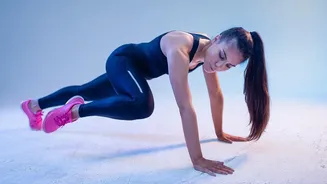
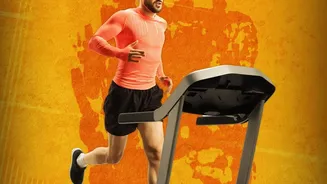
Before we dive into a comparison, let's define our terms. HIIT, or High-Intensity Interval Training, involves short, explosive bursts of all-out effort followed by brief recovery periods. Think 30 seconds of sprinting, then 60 seconds of walking, repeated
for 15-20 minutes. LISS, or Low-Intensity Steady-State, is the opposite. It involves performing a cardio activity like brisk walking, light cycling, or swimming at a consistent, moderate pace for a longer duration, typically 30 to 60 minutes. With LISS, the goal is to maintain a heart rate where you can still hold a conversation.
The Time Crunch: Efficiency vs. Duration
For many desk workers, time is the biggest hurdle. This is where HIIT shines. A complete HIIT session can be done in 10 to 30 minutes, making it incredibly time-efficient. It’s designed to deliver maximum benefits in a short window. LISS, by nature, requires a longer time commitment. A typical session lasts between 30 and 60 minutes to be effective. If your lunch break is your only workout window, the efficiency of HIIT is a clear advantage. However, if you enjoy the process of a longer, more relaxed session, LISS fits the bill perfectly.
Fat Loss: The Afterburn vs. The Slow Burn
Both methods are effective for fat loss, but they work differently. HIIT is famous for the "afterburn effect," scientifically known as Excess Post-Exercise Oxygen Consumption (EPOC). This means your body continues to burn calories at an elevated rate for hours after the workout is over as it recovers. LISS burns a higher percentage of its calories from fat during the workout itself. While HIIT might burn more total calories in less time when you factor in EPOC, some research suggests that both methods are similarly effective for weight loss over time when total calorie burn is matched. The key is consistency and overall calorie deficit.
Injury Risk and Sustainability for Beginners
This is a critical factor, especially for those new to exercise. HIIT involves high-impact, explosive movements that can place significant stress on your muscles and joints, increasing the risk of injury if your form isn't correct. It can also be very demanding on the body, requiring more recovery time between sessions. LISS is much gentler on the body. Activities like walking or cycling are low-impact, making LISS an excellent starting point for beginners or those with joint concerns. Its lower intensity also means you can do it more frequently without risking burnout or overtraining.
The Mental Health Factor: Stress and Enjoyment
Exercise is as much for the mind as it is for the body. The steady, rhythmic nature of LISS can be meditative and act as a significant stress reliever. It provides an opportunity to clear your head, listen to a podcast, or simply enjoy moving your body without intense pressure. HIIT, on the other hand, can be a mental battle. While some find the challenge exhilarating, its intensity can also spike stress hormones like cortisol. If you're already dealing with high levels of work-related stress, a gentler LISS workout might be more beneficial for your overall well-being.
So, Which Should You Choose?
The best workout is the one you will stick with. Here’s a simple guide to help you decide: Choose HIIT if you are short on time, enjoy high-intensity challenges, and have a solid fitness base without joint issues. It's excellent for boosting metabolism and improving cardiovascular fitness quickly. Choose LISS if you are a beginner, are concerned about injuries, enjoy longer and more relaxing workouts, or are looking for an active recovery method on days between tougher workouts. It's fantastic for building endurance and managing stress. Ultimately, a combination of both might be the ideal approach. You could incorporate 1-2 HIIT sessions and 2-3 LISS sessions into your week to get the benefits of both worlds.