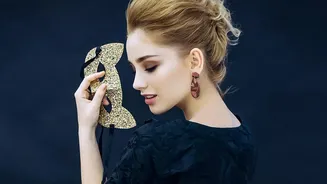




The updo is a timeless style, perfect for any occasion, from a formal event to a casual day out. But many believe updos are only for those with 'perfect' hair. Here’s how to adapt classic styles for your unique hair type, ensuring a flawless look.
The Foundation: Prep is Everything
Before
twisting or pinning, setting the right foundation is key to a long-lasting updo. A common professional tip is to work with hair that isn't freshly washed. Day-old hair has more natural grit, which helps styles hold. If you must start with clean hair, add texture manually. A texturizing spray or a light dusting of dry shampoo at the roots will provide the grip you need, preventing pins and ties from slipping. This simple prep step is a game-changer for all hair types, but especially for hair that is very fine or slippery. Using the right products, like a volumizing mousse for fine hair or a smoothing cream for frizz-prone hair, can also make a significant difference.
The Classic Chignon: Sleek and Sophisticated
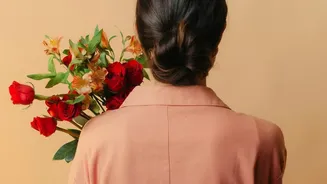
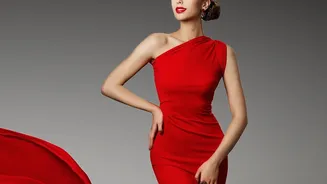
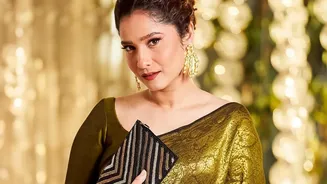
The chignon is a low bun, usually worn at the nape of the neck, that exudes elegance. While it looks intricate, it's surprisingly achievable and can be adapted for anyone. A simple way to create it involves gathering hair into a low ponytail, twisting the length, and then coiling it into a bun, securing it with pins. For Fine Hair: If your hair lacks natural volume, a chignon can look small. To add fullness, gently backcomb the ponytail before twisting it. You can also use a small hair donut as a base, spreading your hair over it to create the illusion of a thicker bun. For Thick Hair: The weight of thick hair can cause a chignon to droop. The solution is sectioning. Create the low ponytail, then divide it into two or three smaller sections. Twist and pin each section individually around the base, which distributes the weight and provides a more secure hold. For Straight Hair: The challenge with straight, silky hair is grip. Use a texturizing spray before you begin and consider using spin pins, which corkscrew into the hair and hold much better than traditional bobby pins. For Curly Hair: You can either work with your natural texture for a romantic, softer chignon or apply a smoothing serum to create a sleeker look. Working with your curls can add beautiful, effortless volume.
The Playful Top Knot: Casual and Chic
The top knot is the chignon's fun-loving cousin, worn high on the head for a look that's both casual and stylish. It’s a versatile style that works for almost any hair type. The basic method is to create a high ponytail, then twist and coil the hair around its base, securing with pins or another elastic. For Fine Hair: To get that full, voluminous top knot, start by spraying the roots with a volumizing or texturizing spray. Teasing the ponytail before twisting it is also crucial for creating body. When you form the bun, don't pull it too tight; a looser wrap gives the appearance of more hair. For Thick Hair: Security is your main goal. Use a strong elastic for your high ponytail. When forming the bun, you may need heavy-duty bobby pins or spin pins to keep it from feeling too heavy or coming undone. Sectioning the ponytail can also help manage the volume. For Straight Hair: Add texture first. A dry texturizing spray will give your strands the pliability needed to stay in a bun shape. After securing the bun, gently pull on small sections to create a fuller, more 'undone' look which also helps it feel more secure. For Curly Hair: Curls provide fantastic natural texture and volume for a top knot. Simply gather your hair into a high ponytail and wrap it. Leave a few curly tendrils out around your face for a soft, romantic finish.
The Romantic Braided Updo: Intricate and Beautiful
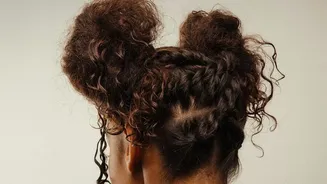
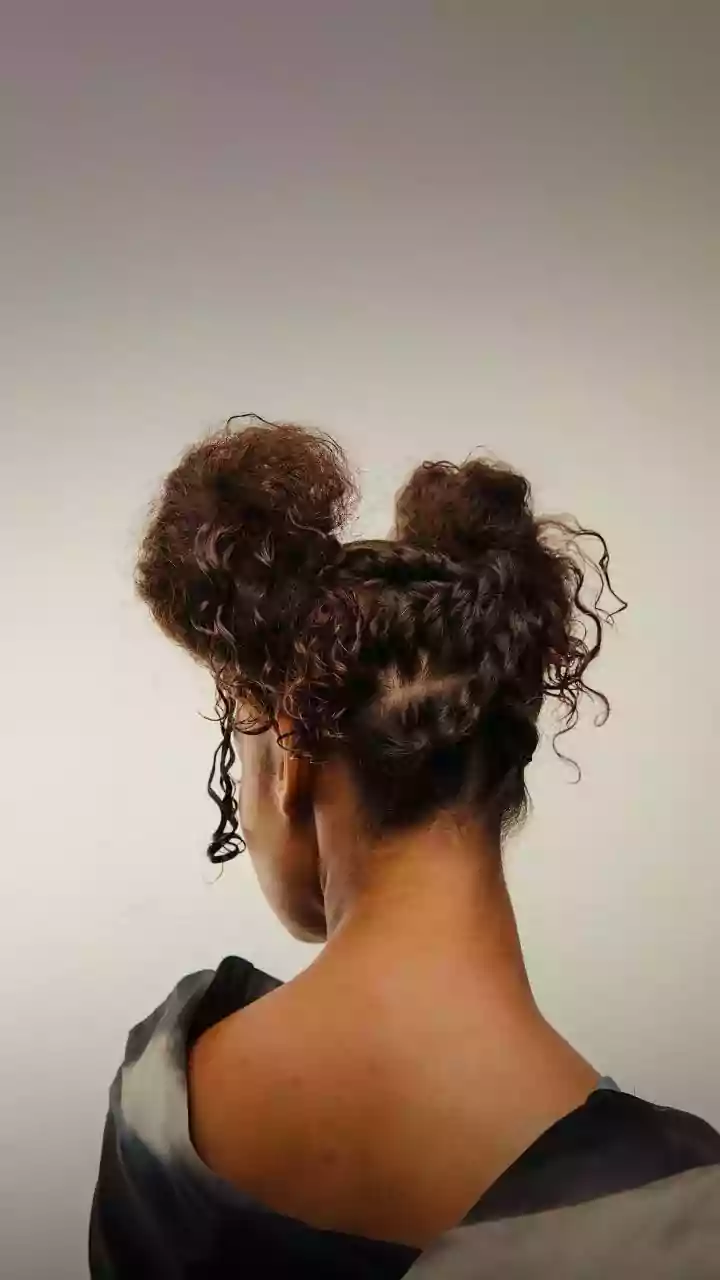
A braided updo looks incredibly intricate but is often just a combination of simple braids, strategically pinned. This style is perfect for keeping hair, especially curly hair, beautifully contained. A popular method involves parting hair, creating two braids (like French or Dutch braids), and then wrapping them across the head or pinning them into a bun at the nape. For Fine Hair: Fine hair works well for crown braids because the braids tend to lie flat. After braiding, gently pull on the outer edges of the braid—a technique called 'pancaking'—to make it look significantly fuller before you pin it. For Thick Hair: A single, large braid can be too bulky to pin comfortably. Instead, try multiple smaller braids. For example, creating three or four braids and then twisting them together into a low bun can create a stunning, woven effect that is also more secure. For Straight Hair: Just like with other updos, a bit of grit from a texturizing spray will prevent braids from slipping. Using a clear elastic at the end of the braid before you pin it will also ensure the ends stay tidy and don't unravel. For Curly Hair: A braided updo is a fantastic way to manage curls. Using a curl cream beforehand can help define the curls and reduce frizz within the braid. For a simpler style, you can braid just one or two sections near the face and pull them back into a low bun.