



As temperatures drop, our bodies crave warm, nourishing food. Thankfully, winter in India offers a bounty of seasonal produce that can transform your daily meals, boost immunity, and provide essential comfort during the colder months.
Why Eating Seasonally Matters
Following nature’s
calendar is not just a tradition; it's a smart health choice. Seasonal produce is harvested at its peak, meaning it’s fresher, more flavourful, and packed with the highest concentration of nutrients. Fruits and vegetables that ripen naturally contain more vitamins and antioxidants, which are crucial for fighting off winter colds and flu. Traditional Indian winter foods were designed to provide warmth and energy, using ingredients that improve circulation and digestion. By aligning your diet with the season, you give your body exactly what it needs to thrive in the cold.
Embrace Hearty Root Vegetables
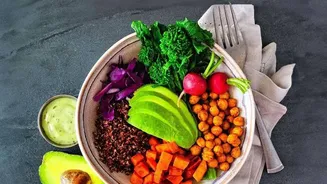
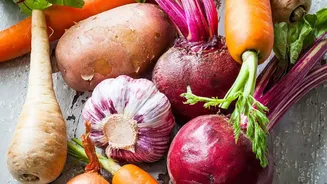
Winter is the season for root vegetables, and Indian markets are filled with them. Carrots, beetroots, radishes, and turnips are at their best right now. Carrots are loaded with beta-carotene, which the body converts to vitamin A, essential for good vision and skin health. Beetroot is an excellent source of iron and antioxidants that help boost energy levels. These vegetables are incredibly versatile; enjoy them in salads, as a simple side dish like Carrot Poriyal, or in comforting classics like Gajar Ka Halwa.
Power Up with Winter Greens
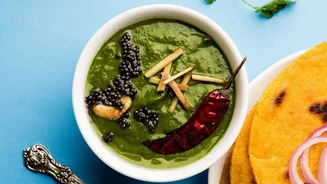
Leafy greens like spinach (palak), fenugreek (methi), and mustard greens (sarson) are nutritional powerhouses that flourish in the cool weather. They are rich in vitamins A, C, and K, as well as iron and fibre. These nutrients support everything from bone health and immunity to healthy digestion. A warm dish of Sarson Ka Saag with Makki Di Roti is a quintessential North Indian winter meal that is both delicious and deeply nourishing. You can also add these greens to dals, parathas, and soups for an easy nutritional upgrade.
Incorporate Warming Grains and Millets
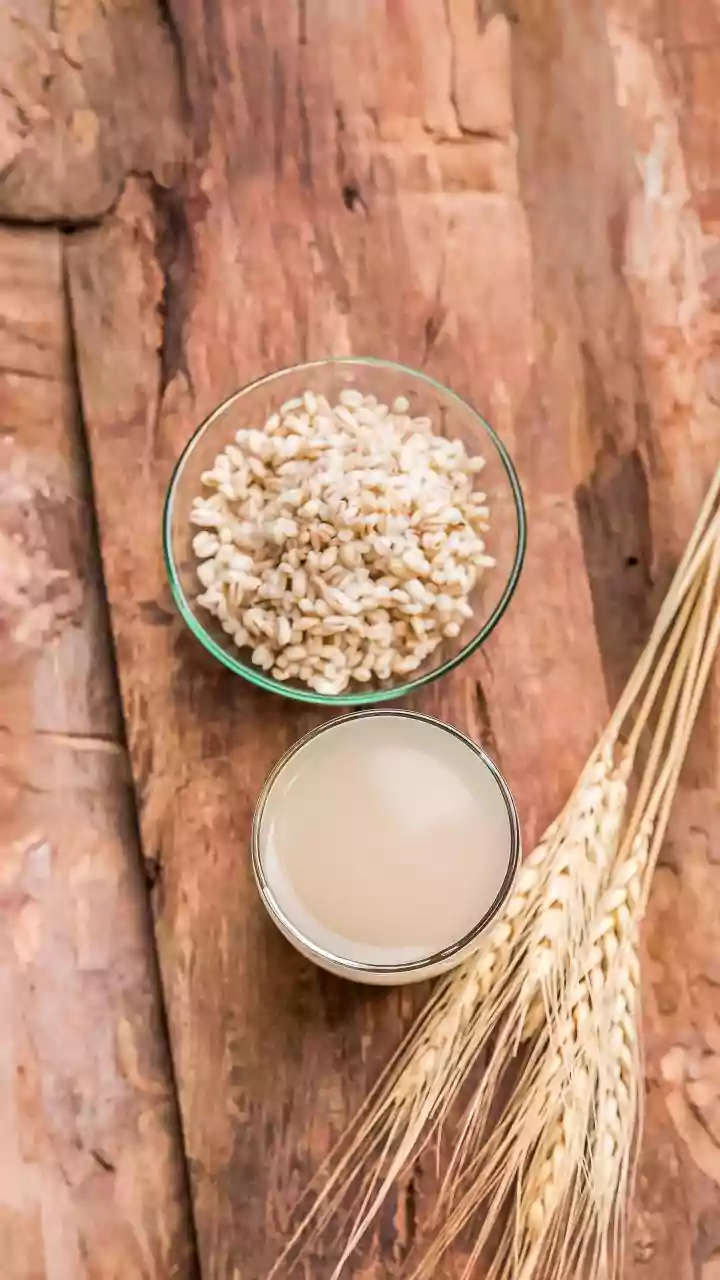
Traditional winter diets in India lean heavily on heartier grains and millets that provide sustained energy and keep you warm. Grains like pearl millet (bajra), maize (makki), and finger millet (ragi) are high in fibre and help you feel full longer. A simple Bajra Khichdi or Makki di Roti provides the kind of satisfying meal your body craves on a chilly day. These grains are naturally warming and pair perfectly with seasonal vegetable curries and dals, creating a balanced and comforting plate.
Boost Immunity with Citrus and Other Fruits
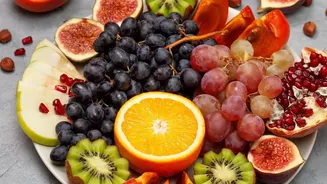
Winter brings an abundance of fruits that are perfect for strengthening your immune system. Oranges, guava, and amla (Indian gooseberry) are packed with vitamin C, which is vital for fighting off infections. Guava contains even more vitamin C than oranges and is also a good source of fibre. Pomegranates are another winter gem, loaded with antioxidants that protect your cells from damage. Enjoy these fruits as a mid_day snack or add them to your breakfast to start your day with a healthy boost.
Building Your Balanced Winter Plate
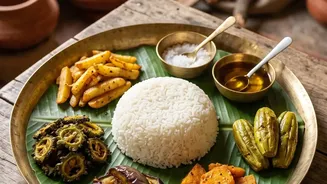
Creating a balanced meal is simple when you use seasonal ingredients. Aim to fill half of your plate with vegetables, like a generous serving of a seasonal sabzi or saag. One quarter of your plate should be dedicated to protein, such as dal, paneer, chole, or eggs. The final quarter can be a whole grain, like a bajra roti or a small portion of rice. This structure ensures you get a mix of fibre, protein, and complex carbohydrates to keep you energised and satisfied. Don't forget to include a source of healthy fat, like a teaspoon of ghee, which aids digestion and adds warmth.