




The Trouble with Trendy Fibre
The modern pursuit of fibre is often a confusing maze of supplements and so-called 'superfoods'. While these products promise a quick fix for digestive health, they can sometimes create more problems than they solve. Relying on a single, isolated fibre source,
like those found in many powders and bars, is a nutritionally narrow approach. The body thrives on diversity. Overloading on one type of processed fibre can lead to uncomfortable bloating, gas, and cramping. Furthermore, some fibre supplements can interfere with the absorption of essential minerals like calcium and iron. This quick-fix mentality overlooks a fundamental truth: whole foods provide fibre packaged with a host of other essential nutrients, including vitamins, minerals, and antioxidants that supplements simply cannot replicate. Chasing a single trendy ingredient means missing out on the complex, synergistic benefits that a varied diet provides.
What Is ‘Thali Sense’?
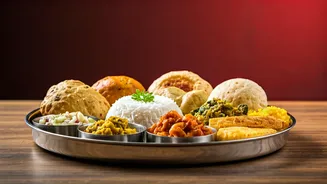
The antidote to this confusing trend-chasing is something deeply ingrained in Indian culture: the thali. Think of it less as a specific meal and more as a philosophy—'Thali Sense'. It’s the intuitive wisdom of a balanced plate, a concept our grandmothers perfected long before wellness became an industry. A traditional thali is a masterclass in nutritional diversity, presenting a complete meal on a single platter. It typically features a small portion of rice or roti (whole grain), a dal or legume, one or two vegetable dishes (sabzis), a bowl of curd (dahi), and a fresh salad. Each component plays a specific role, creating a harmonious blend of macronutrients and micronutrients. It’s not about obsessing over one ingredient, but about ensuring a variety of food groups work together to nourish the body holistically.
The Nutritional Genius of the Thali
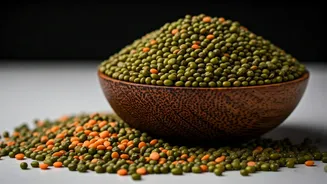
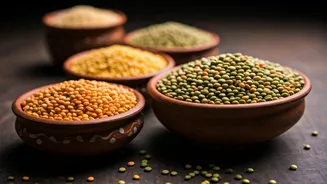
The genius of the thali lies in its natural combination of both soluble and insoluble fibres—the two types your gut needs to function optimally. Soluble fibre, found in dals, beans, and certain vegetables like okra, dissolves in water to form a gel-like substance that slows digestion, helps control blood sugar, and lowers cholesterol. Insoluble fibre, present in whole wheat rotis, millets, and leafy greens, adds bulk and helps move waste through your digestive system, preventing constipation. But it doesn't stop there. The dal provides plant-based protein, the vegetables deliver a spectrum of vitamins, the whole grains offer sustained energy, and the curd introduces beneficial probiotics that support a healthy gut microbiome. Spices like turmeric and cumin add anti-inflammatory properties. This combination is precisely what modern nutrition science advocates: a diverse diet rich in whole foods to promote gut health and overall well-being.
Applying Thali Sense to Modern Life
Embracing 'Thali Sense' doesn't mean you must prepare an elaborate platter for every meal. It's about applying the core principle of balance and variety to your daily plate. When you assemble your meal, ask yourself: Where is my protein (dal, chana, paneer)? Where is my whole grain (roti, brown rice, millets)? Where are my vegetables (at least one or two different kinds)? This simple checklist ensures you are getting a mix of nutrients and fibres. Instead of a processed snack, grab a piece of fruit. Swap refined white bread for whole wheat roti or a millet-based flatbread. The goal is to move away from monotonous, nutrient-poor meals and towards plates that are colourful, varied, and balanced. By thinking of your plate as a mini-thali, you can easily incorporate this time-tested wisdom into a busy, modern lifestyle without feeling overwhelmed.