





The Unsung Hero on Your Plate
Dietary fibre is a crucial nutrient that often gets overlooked in discussions about health. It plays a vital role in maintaining digestive health, preventing constipation, and promoting a feeling of fullness, which can aid in weight management. Furthermore,
a high-fibre diet is linked to a lower risk of several chronic conditions, including heart disease and diabetes, by helping to manage blood sugar and cholesterol levels. Experts, including those aligned with the Indian Council of Medical Research (ICMR), recommend a daily intake of about 25 to 30 grams of fibre for adults. However, many urban Indians consume only about half of that amount, often due to a reliance on refined grains and processed foods. The solution isn't a complete dietary overhaul but a mindful return to the fibre-rich foods already central to our cuisine.
Start Your Day with a Fibre Boost
Your breakfast sets the tone for the day, and many traditional Indian options are excellent sources of fibre. Poha, or flattened rice, especially the red or brown rice variety, is a fantastic start. A typical serving, loaded with vegetables like peas and onions, can provide a good few grams of fibre. Similarly, upma made from whole wheat (dalia) or oats instead of refined semolina significantly increases its fibre content. South Indian staples like idli and dosa, made from fermented rice and lentils, are also beneficial. Opting for versions made with millets like ragi or brown rice can further enhance their nutritional profile, providing sustained energy and supporting gut health.
The Power of Dals and Legumes
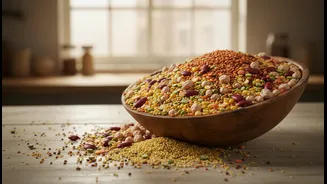
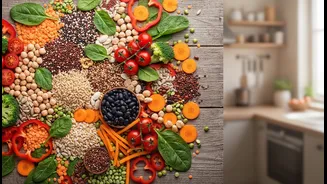
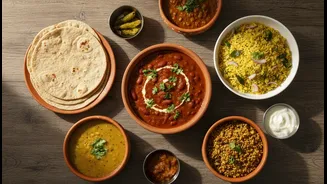
Lentils and legumes are the heart of Indian main courses and are fibre powerhouses. Rajma, or kidney beans, is a standout star. A single 100-gram serving of raw rajma contains about 15 grams of fibre, which is more than half the recommended daily amount. When cooked into the classic rajma masala, a single bowl provides a significant fibre and protein punch that keeps you full for hours. Other everyday favourites like chana masala (chickpeas), lobia (black-eyed peas), and the wide variety of dals—from moong and masoor to toor (arhar)—are all excellent choices. Making a dal or legume-based dish a non-negotiable part of at least one main meal is one of the easiest ways to meet your daily fibre goals.
Choose Your Grains Wisely
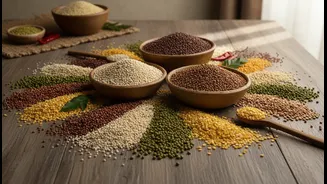
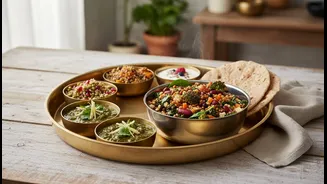
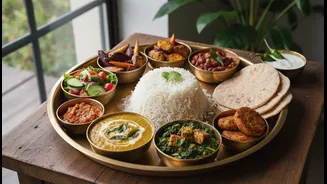
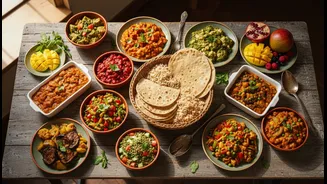
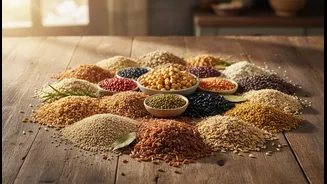
The foundation of many Indian meals—roti and rice—can be a major source of fibre, provided you make smart choices. Whole wheat atta, used for rotis and parathas, retains the bran, which is where most of the fibre is. In contrast, refined flour (maida) has most of this goodness stripped away. Similarly, switching from polished white rice to brown rice can make a noticeable difference, as brown rice keeps its fibre-rich outer layer. Millets like jowar (sorghum), bajra (pearl millet), and ragi (finger millet) are traditional grains making a comeback for good reason. They are naturally high in fibre and can be easily incorporated by making rotis, dosas, or even khichdi with them.
Vegetables and Snacks That Serve You
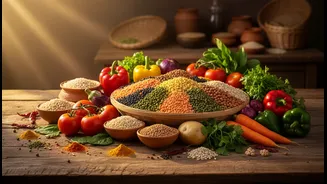
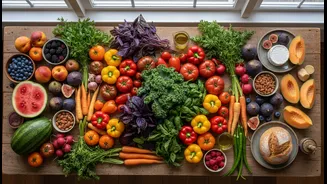
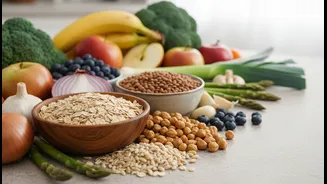
Finally, don't underestimate the fibre contribution from sabzis and smart snacks. Many common Indian vegetables are packed with fibre. Bhindi (okra), beans, carrots, and leafy greens like spinach and fenugreek (methi) are all excellent additions to your meals. Aim to fill at least a third of your plate with a colourful vegetable preparation. For snacking, instead of reaching for packaged biscuits, consider a handful of roasted chana (chickpeas), peanuts, or a bowl of fruit chaat. These whole-food snacks not only provide fibre but also come with a host of other essential vitamins and minerals, making them a far more nourishing choice.