

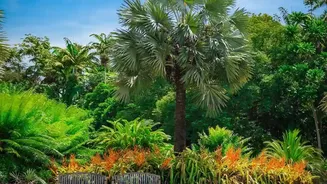


Why a Native Garden Thrives
Choosing native plants is the simplest way to ensure your garden succeeds. These plants have evolved in India's climate for centuries, meaning they are perfectly suited to the local soil, sun, and rainfall patterns. This natural advantage makes them far
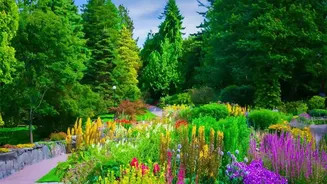
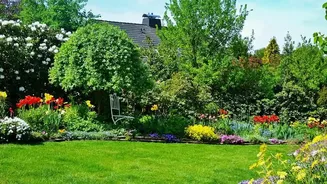
more resilient than many popular but non-native alternatives. The primary benefit is significantly lower maintenance. Once established, native species generally require less water, little to no fertiliser, and fewer pesticides. Many are naturally drought-tolerant, a huge plus in water-scarce urban areas. Beyond being easy to care for, native gardens become buzzing ecological hotspots. They provide essential food and shelter for local birds, bees, butterflies, and other pollinators, creating a mini-sanctuary that supports the region's biodiversity. Their deep roots can also improve soil structure and help reduce water runoff during heavy monsoon rains.
Step 1: Plan Your Green Space
Before you buy a single plant, take a moment to observe your space. Whether it's a small balcony, a sunny terrace, or a window box, understanding its conditions is key. Note how many hours of direct sunlight the area receives and at what time of day. A west-facing balcony will get intense afternoon sun, while an east-facing one will have gentler morning light. Check for windy spots. Consider what you want from your garden—is it for a splash of colour, fragrant evenings, a bit of privacy, or to grow a few herbs? Sketching a simple layout can help you decide where to place different types of plants, such as climbers, shrubs, and seasonal flowers, to create a layered, visually appealing look.
Step 2: Choose Your Native Stars
The fun begins with selecting your plants. For a truly Indian garden, look for species that are not only beautiful but also hardy. For sunny spots, consider the cheerful Hibiscus (Gudhal), which produces large, dramatic flowers and thrives in the heat. The ever-popular Marigold (Genda) and Zinnia are also fantastic sun-lovers that add a burst of vibrant colour. If you want fragrance, nothing beats Arabian Jasmine (Mogra) or Parijat, whose blossoms fill the evening air with a sweet scent. For those with a bit more space, the Rangoon Creeper (Madhu Malati) is a beautiful climber with clusters of pink and white flowers. Don't forget functional plants like Tulsi (Holy Basil) and Curry Leaf, which are easy to grow in pots and useful in the kitchen. For low-maintenance groundcover or smaller pots, options like Aparajita (Blue Pea) offer delightful blue blooms.
Step 3: Sourcing and Planting
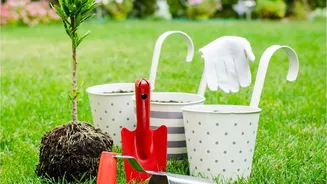
Finding native plants is becoming easier. Start by asking at your local nurseries; many are increasing their stock of regional species. Some state-run horticultural departments or forestry nurseries are excellent and affordable sources for saplings of indigenous trees and shrubs. Online gardening groups and specialty nurseries that focus on native plants are also great resources. When planting, ensure your pots have good drainage holes. Use a quality potting mix suitable for your chosen plants. While native plants are adapted to local soil, a good start helps them establish strong roots. After planting, water them gently but thoroughly. Adding a layer of mulch, like dried leaves, on top of the soil can help retain moisture and keep roots cool, especially during hot summers.
Step 4: The Joy of Effortless Upkeep
The true reward of a native plant garden is how little it asks of you once it settles in. By choosing plants adapted to your environment, you sidestep the constant battle of trying to make them survive in alien conditions. You’ll spend less time watering, less money on chemical fertilisers, and less effort fighting pests. Your garden will be more resilient to the stresses of city life, from temperature fluctuations to irregular care when you get busy. Instead of a demanding chore, your garden becomes a source of pleasure—a beautiful, self-sustaining ecosystem that connects you to the natural heritage of your region and provides a welcoming space for both you and local wildlife to enjoy.