




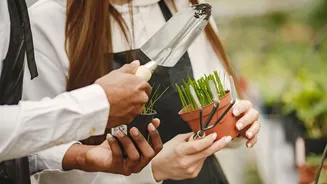


In a world of constant digital noise, the quiet act of nurturing life can feel like a radical form of self-care. Growing your own greens in pots is more than a hobby; it’s a mindful practice that offers subtle, yet powerful, rewards.
1. A Connection to Nature, Indoors
You don’t need a sprawling
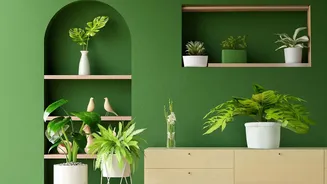
garden to feel connected to the natural world. The concept of 'biophilia' suggests humans have an innate tendency to seek connections with nature and other forms of life. Even a small pot of basil or a tray of microgreens on a windowsill can satisfy this urge. The simple act of adding greenery to our indoor spaces has been shown to reduce stress, lower blood pressure, and improve our overall mood. It provides a visual anchor to the living world, softening the hard lines of an indoor environment and creating a calmer, more restorative atmosphere.
2. The Practice of Patience and Presence
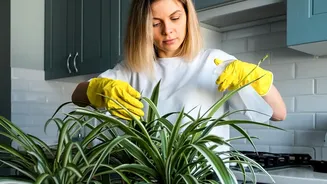
Gardening is the antithesis of instant gratification. You can’t rush a seed as it germinates or a leaf as it unfurls. This slow, deliberate process encourages patience and a focus on the present moment. Caring for a plant—watering it, checking the soil, rotating the pot for sunlight—becomes a daily ritual that grounds you. Studies have found that direct interaction with indoor plants can lower physiological and psychological stress by suppressing the body’s stress-response system. By focusing on the simple, tactile tasks of plant care, you pull your attention away from abstract worries and into the tangible, rewarding work of nurturing life.
3. A Boost of Confidence and Responsibility
Successfully growing something you can eat provides a quiet, profound sense of accomplishment. For those not ready for the commitment of a pet, a plant can offer a low-stakes way to nurture another living thing. This sense of responsibility can be a positive motivator, providing structure and purpose to your day. Researchers sometimes call this 'productive concern'—a low-level awareness that something needs your attention, which registers not as stress but as healthy engagement. Watching a plant thrive because of your consistent care reinforces your ability to make a positive impact, boosting self-esteem and a feeling of self-reliance.
4. A Sensory Experience That Grounds You
Mindfulness is about tuning into your senses, and gardening is a full-sensory activity. Think of the feeling of cool soil on your fingertips, the gentle sound of water trickling into the pot, the sight of vibrant green leaves reaching for the light, and the fresh aroma of herbs like mint or coriander. These sensory inputs act as anchors, pulling your awareness into the here and now. This grounding effect is a core principle of many therapeutic practices. Engaging with plants through touch, sight, and smell can create a calming experience that provides a muchnded respite from the demands of daily life.
5. Effortless Access to Nutrient-Dense Food
The final, delicious benefit is the harvest itself. Growing your own greens, especially microgreens, puts a powerhouse of nutrition at your fingertips. Studies have shown that microgreens can contain 4 to 40 times the concentration of vitamins and antioxidants compared to their mature counterparts. These tiny greens are packed with nutrients like vitamins C, E, and K, as well as folate and iron, which support everything from immune function to mood regulation and mental clarity. Having fresh, flavourful greens readily available makes it easier to add a healthy boost to salads, sandwiches, and other meals, connecting the mindful practice of growing with the nourishing act of eating.