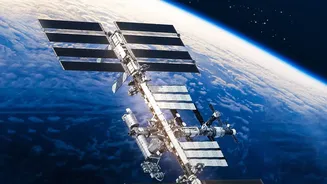



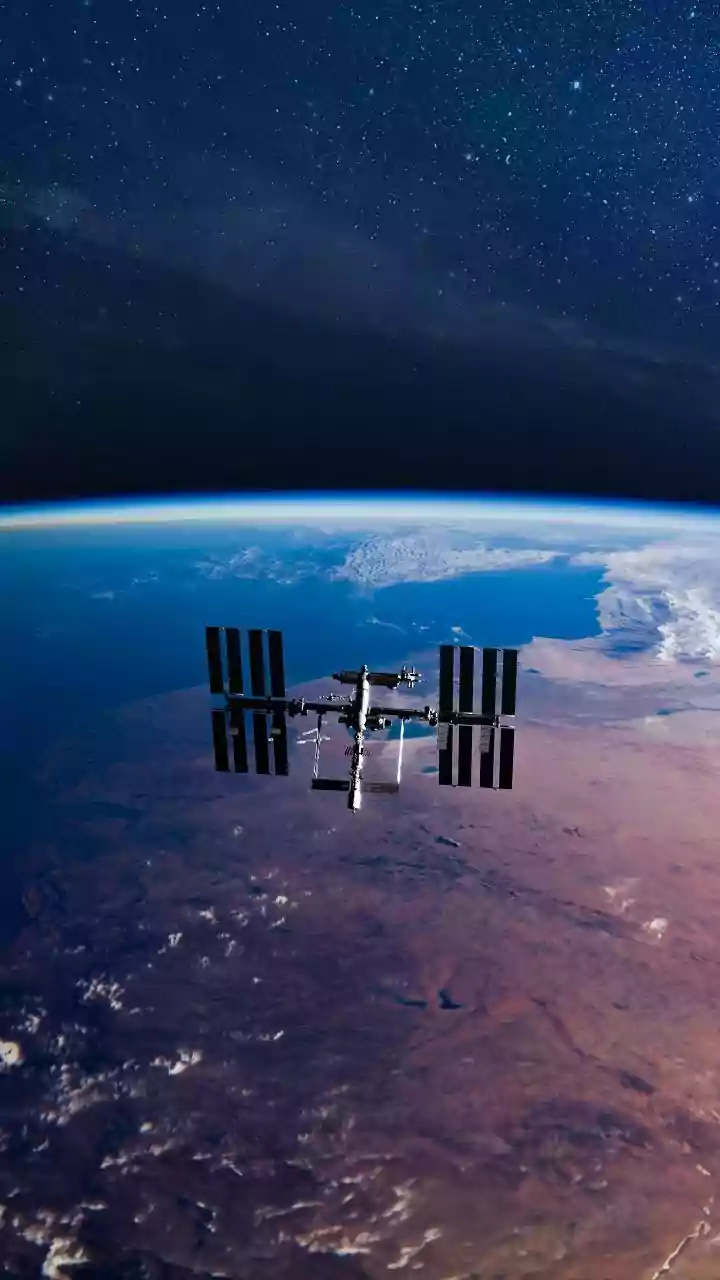

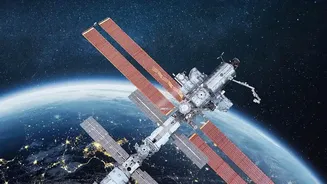
The Digital Proving Ground
Before a single piece of metal is cut or fabric is woven, future space habitats exist only as complex digital models. Engineers use sophisticated computer-aided design (CAD) software to map out every component, from the primary structure to the placement
of windows and docking ports. These digital blueprints are then subjected to relentless virtual stress tests using a technique called Finite Element Analysis (FEA). This process simulates the extreme conditions of space, calculating how the structure will react to everything from the violent vibrations of a rocket launch to the constant internal pressure required to keep astronauts alive in a vacuum. By simulating micrometeoroid impacts and decades of thermal cycling, developers can identify and fix potential weaknesses long before building expensive physical prototypes.
Materials Under the Microscope
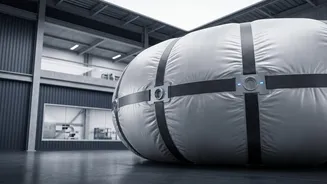
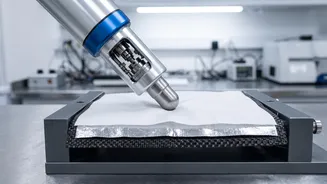
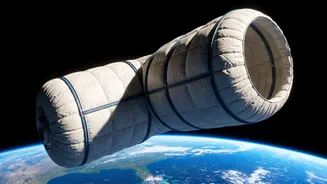
The choice of materials is critical. For traditional rigid modules, like those being developed by Axiom Space, this involves testing advanced metal alloys. For inflatable habitats, a key innovation pursued by companies like Sierra Space and Lockheed Martin, the focus is on soft goods. These aren't everyday fabrics; they are layers of high-strength woven materials like Vectran, which, when inflated, can be stronger than steel. At specialized facilities, these materials undergo intense evaluation. They are stretched, compressed, and exposed to simulated space radiation and extreme temperatures to ensure they won't degrade over a 15-year or longer lifespan in orbit. This phase proves the fundamental building blocks are up to the task.
The Ultimate Burst Pressure Test
One of the most crucial and visually dramatic tests for an inflatable habitat is the Ultimate Burst Pressure (UBP) test. Companies build full-scale or sub-scale versions of their habitats and intentionally pump them with nitrogen or another gas until they explode. It’s a loud, destructive, but essential process. The goal is to see exactly how much pressure the structure can withstand before it fails. NASA has stringent safety requirements, and these tests must demonstrate that the habitat can hold pressure many times greater than its normal operating level in space. Companies like Sierra Space have conducted multiple successful burst tests on their LIFE habitat prototypes at NASA's Marshall Space Flight Center, sometimes at historic rocket test stands, proving the strength and reliability of their designs.
Simulating Impacts and Space Life
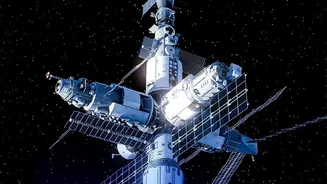
A habitat must be able to withstand strikes from tiny, fast-moving orbital debris. To test this, developers use hypervelocity impact trials. At facilities like NASA's White Sands Test Facility, powerful two-stage gas guns fire small projectiles at speeds of over 8,400 meters per second at material samples to simulate micrometeoroid impacts. Beyond structural integrity, developers must test the habitat as a place to live and work. This involves building ground-based mockups to evaluate life support systems, ergonomics, and daily operations. Companies like Axiom Space conduct extensive simulations of their modules docking with the International Space Station, training flight controllers to handle malfunctions and ensuring a seamless integration. This human-in-the-loop testing is vital for creating a safe and functional environment.
Qualification for the Final Frontier
The final phase of ground testing ensures the habitat can survive the journey to space and the environment itself. Fully assembled modules or major components are placed on massive shake tables that simulate the intense vibrations of a rocket launch. Then, they are moved into large thermal vacuum (TVAC) chambers. These chambers replicate the airless, extreme-temperature environment of orbit. Inside, the habitat is subjected to the freezing cold of space's shadow and the intense heat of direct sunlight, all while in a vacuum. This confirms that all systems, from electronics to seals, will function as designed. Only after passing this entire battery of tests can a habitat concept be considered truly flight-ready, paving the way for a new commercial era in space.