



The Science of a Warm Welcome
The feeling of 'warmth' from plants isn't just about aesthetics; it's rooted in science. This concept, known as biophilia, is our innate tendency to connect with nature. Studies have shown that the presence of indoor plants can reduce stress, lower heart
rates, and create a sense of calm and well-being. Rooms with natural elements are often perceived as more comfortable and restorative. The varied textures, organic shapes, and living energy of plants soften the hard lines of a room, making the entire environment feel more nurturing and alive. It's not just about seeing green; it’s about your nervous system responding to the quiet, steady presence of nature.
Choose Your Green Companions
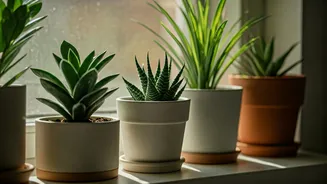
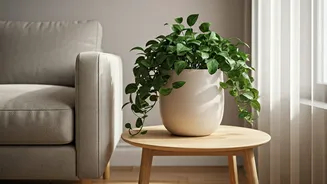
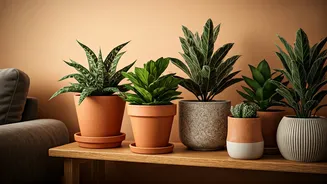
The first step is selecting the right plants. For many Indian apartments where direct sunlight can be limited, low-light plants are a perfect choice. The Snake Plant is a top choice as it is incredibly tough, tolerates infrequent watering, and its vertical leaves add a modern touch. Pothos, or Money Plant, is another favourite, a versatile vine that thrives in various conditions and can be grown in soil or water. For a touch of elegance, consider the Peace Lily, which can produce beautiful white flowers even in lower light. The ZZ Plant, with its glossy, dark leaves, is another nearly indestructible option for beginners. These plants are not only hardy but are also known for their air-purifying qualities.
DIY Project: Creative & Upcycled Planters
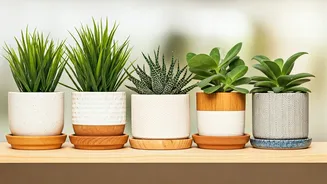
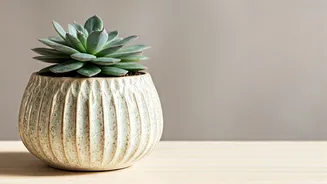
You don’t need expensive pots to create a stunning display. Look around your home for items you can upcycle. Old metal coffee or tea tins, colourful plastic containers, and even chipped ceramic mugs can be transformed into charming planters. For a rustic look, consider using traditional brass pots or coconut shells. Just ensure you can add drainage holes at the bottom to prevent water from pooling, which can harm the plant's roots. A simple coat of paint or wrapping a basic can in rope or fabric can also create a bespoke look that matches your decor perfectly.
DIY Project: Simple Macrame Hangers
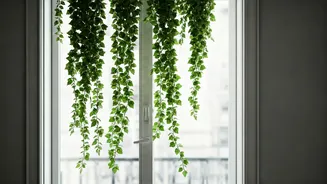
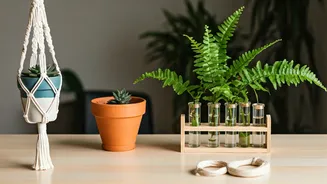
Hanging planters are a fantastic way to utilize vertical space, especially in smaller rooms. Creating a simple macrame hanger is easier than it looks and adds a beautiful, bohemian touch. You only need macrame cord (cotton rope works well) and a ring to hang it from. The process involves a series of basic knots, like the square knot and spiral knot, to create a net that will cradle your pot. By cutting several equal lengths of cord, folding them through the ring, and knotting them at strategic points, you can craft a custom hanger in an afternoon. This method draws the eye upward, making ceilings appear higher and adding layers to your decor.
The Art of Green Arrangement
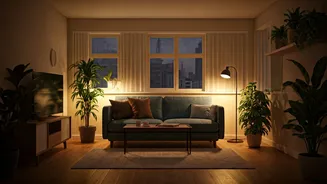
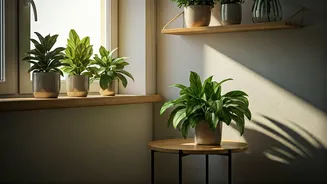
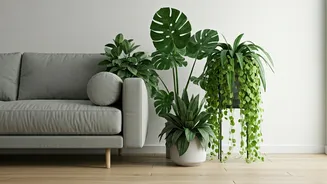
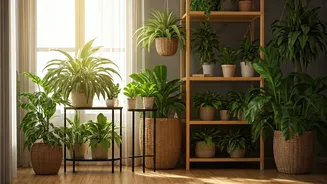
How you arrange your plants is just as important as the plants themselves. Create visual interest by grouping plants of different sizes, leaf shapes, and heights together in a corner of your living room or near a window. This creates a lush, mini-garden effect. Use a multi-level plant stand or even a small ladder to display several pots at varying heights. You can also place trailing plants like Pothos on top of shelves or cabinets, allowing their vines to cascade down for a sense of movement. By placing a larger statement plant, like an Areca Palm, in an empty corner, you can instantly soften the space and add a touch of the tropics.