

Cleopatra’s Legendary Milk Bath
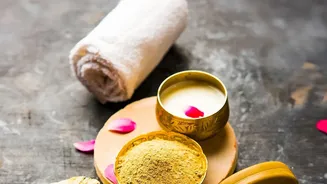
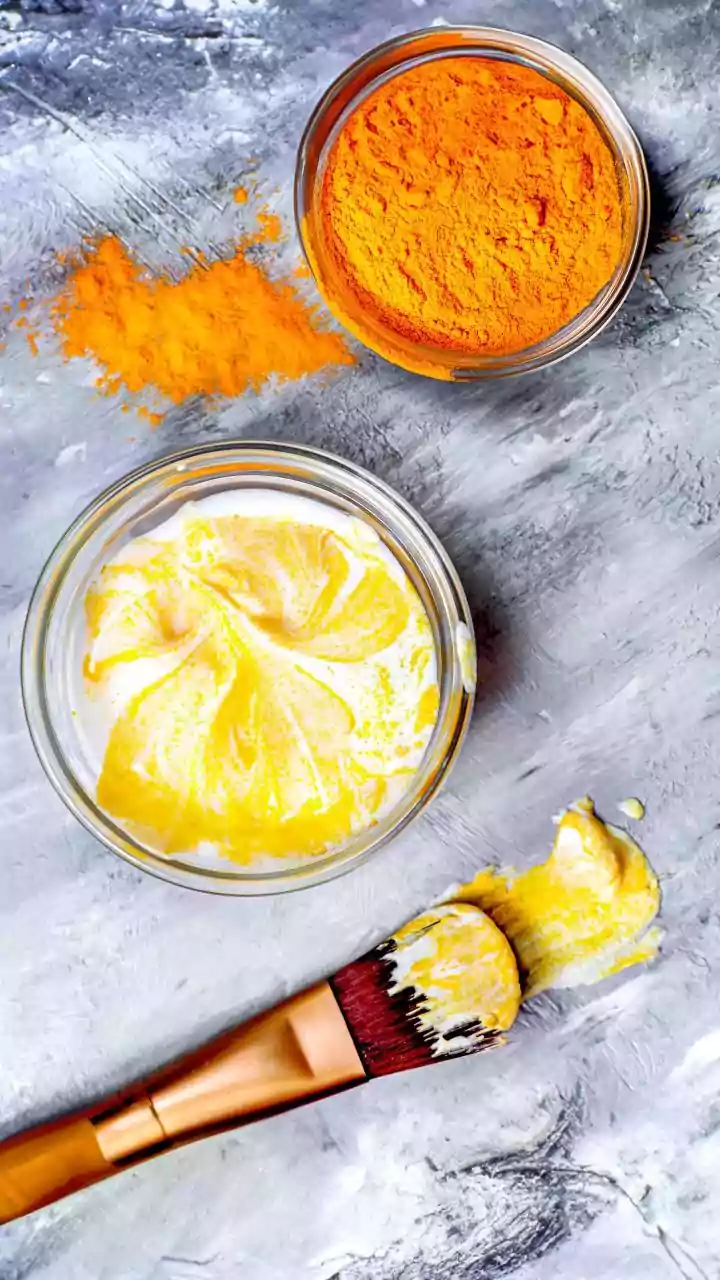
The tale of Cleopatra bathing in donkey milk to preserve her radiant skin is one of history's most famous beauty secrets. The legend suggests she recognized milk's remarkable ability to keep skin smooth and supple. Modern science validates the core principle
of this practice. Milk contains lactic acid, a type of alpha-hydroxy acid (AHA) now commonly used in skincare. Lactic acid acts as a gentle exfoliant, dissolving the bonds that hold dead skin cells to the surface, which can improve skin texture and hydration. Studies show that topical lactic acid can reduce the appearance of fine lines and enhance skin elasticity. While a full-body milk bath is an inefficient and expensive way to get these benefits compared to a modern, pH-balanced peel, the ancient intuition was correct: there is real exfoliating power in milk.
The Deadly Pallor of Queen Elizabeth I
During the Elizabethan era, a pale, almost translucent complexion was the ultimate symbol of nobility, signifying a life lived away from the sun-drenched toil of the lower classes. To achieve this look, Queen Elizabeth I reportedly used 'Venetian ceruse', a cosmetic paste made from white lead and vinegar. This potent concoction effectively masked blemishes and even the scars left by a bout of smallpox. However, the beauty came at a horrifying price. Lead is a potent neurotoxin, and regular application led to lead poisoning. The side effects were devastating, causing skin damage, hair loss, nausea, and cognitive decline. Ironically, the damage the ceruse caused to the skin likely created a cycle where users had to apply even more to hide the blemishes it created. This is one royal ritual that unequivocally belongs in the history books as a dangerous, life-threatening practice.
Marie Antoinette's Complex Concoctions
The last Queen of France before the revolution, Marie Antoinette, was a trendsetter whose elaborate beauty regimen was a subject of public fascination. Her routines involved multi-step processes with special cleansers and toners. One face mask attributed to her included cognac, powdered milk, an egg white, and lemon juice. From a clinical perspective, this recipe has some logic. The powdered milk contains exfoliating lactic acid, and the lemon juice provides citric acid, another exfoliant. Egg whites can have a temporary tightening effect on the skin, while cognac was believed to stimulate circulation. However, another of her cleansers, 'Eau Cosmetique de Pigeon', contained a bizarre mix of stewed pigeons, wine, and various plant juices. While some plant extracts may offer mild benefits, the overall effectiveness of such a brew is highly questionable and certainly not something found in modern dermatology.
Empress Sisi’s Raw Veal Mask
Empress Elisabeth of Austria, known as 'Sisi', was celebrated for her stunning beauty and was obsessive about preserving it. Among her more bizarre rituals was sleeping with a mask lined with raw veal. The theory may have been that the proteins in the meat would transfer to her skin, keeping it firm and youthful. While some dermatologists note that veal contains vitamin C and proteins that could have some topical effect, the modern understanding of skincare refutes this method. Large protein molecules, like the collagen in meat, are too big to penetrate the skin's surface and have a meaningful impact. For collagen to benefit the skin, it must be produced from within. So, while Sisi's dedication was legendary, this particular meaty ritual was likely more uncomfortable than it was effective.
The Enduring Power of Rosewater
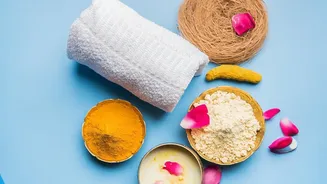
One ritual that has gracefully transitioned from royal courts to modern vanities is the use of rosewater. Used by countless historical figures, including reportedly Queen Victoria, rose oil and rosewater were prized for their fragrance and skin-soothing properties. Unlike lead-based paints, this is one tradition that science has largely vindicated. Modern clinical research confirms that rosewater has powerful anti-inflammatory, antioxidant, and hydrating properties. It can help calm irritation from conditions like rosacea and eczema, protect skin cells from damage, and maintain the skin's pH balance. Its gentle astringent qualities also help to refine the appearance of pores without the harshness of alcohol. In a world of fleeting trends and dangerous fads, the simple elegance of rosewater has proven its worth through both historical tradition and scientific evidence.