







Understanding the New Age of Scams
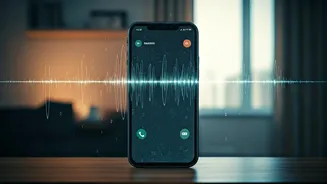
The classic “friend-in-need” scam has received a high-tech upgrade. Scammers are no longer just sending suspicious texts from unknown numbers. They are now using artificial intelligence to clone voices, making their impersonations terrifyingly realistic.
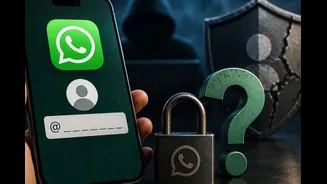
All a scammer needs is a few seconds of audio from a social media post or a leaked voicemail to create a convincing replica of your friend or family member's voice. They then call you on WhatsApp, often from an international number, creating a scenario of extreme urgency—a car accident, a robbery, or a medical emergency—designed to make you panic and send money without thinking. Indian law enforcement agencies have issued multiple advisories about these evolving tactics, which include impersonation and creating high-pressure situations to extract funds. The goal is to bypass your rational brain and trigger an emotional, impulsive reaction. Understanding this strategy is the first step to defeating it.
Firewall 1: The 'Who Is This?' Reset
Your phone rings with a call from an unknown number. You pick it up, and a panicked voice that sounds just like your son or daughter says, “Dad, I’m in trouble, I need help.” The natural instinct is to respond in kind: “What’s wrong? Are you okay?” This is a mistake. By doing so, you have accepted their premise and fallen into their trap. The first and most important firewall is to immediately reset the conversation's frame. Do not engage with the emotional plea. Instead, stay calm and ask a simple, direct question: “I’m sorry, who is this calling?” This simple phrase does two things. First, it forces the scammer off their script. They are prepared for a panicked parent, not a calm and questioning one. Second, it buys you precious seconds to engage your critical thinking. If it's your legitimate loved one, they will have no problem stating their name, even if they are in distress.
Firewall 2: The 'Shared Memory' Check
If the caller passes the first firewall and provides the name you expect, it’s time to deploy the second. Scammers can clone a voice and find a name, but they cannot access your private, shared memories. The next step is to ask a specific, non-public question that only the real person could answer. This is more than a simple password; it's a contextual verification. Avoid yes/no questions or simple facts a scammer could find online, like a birthday. Instead, ask something personal and specific: “What was the name of the street we lived on in our first house?” or “What’s the funny nickname we gave grandpa?” A real family member will answer instantly. A scammer, even one with a sophisticated AI, will be stumped. They will likely try to deflect, claiming they are too panicked to think or getting angry that you are questioning them. This hesitation is a massive red flag.
Firewall 3: The 'Call You Back' Disconnect
This is the final and most foolproof firewall. Regardless of how the previous steps went, the best way to confirm an identity is to end the current conversation and initiate a new one on your own terms. Tell the person on the line, “Okay, hang on. I am hanging up and calling you right back on your number.” Then, immediately disconnect the call. Do not call back the number they called you from, as it is controlled by the scammer. Instead, go to your phone’s contact list and call the number you have saved for that loved one. If they are truly in trouble, they will answer, and you can help them. If they answer and have no idea what you’re talking about, you have successfully identified and thwarted a scam. By taking control of the communication channel, you completely bypass the scammer’s setup, whether it's a spoofed number or a hijacked account.