




Before You Drive: Check Weather and Your Vehicle
Before starting any journey during the monsoon, the first step is to stay informed. Check the latest weather forecasts from the India Meteorological Department (IMD) or other reliable sources. Active weather warnings can alert you to heavy rainfall, thunderstorms,
or potential flooding in your area. According to IMD updates from mid-August 2026, several parts of eastern, central, and northeast India are expected to receive heavy rainfall. If severe weather is predicted, consider postponing your trip. Equally important is a thorough vehicle check. Your tyres are the only connection to the slippery road. Ensure they have adequate tread depth—at least 3mm is recommended for monsoon safety. Properly inflated tyres are crucial, as incorrect pressure can increase the risk of hydroplaning, where your vehicle skids on a layer of water. Inspect your wiper blades and replace them if they leave streaks; clear visibility is non-negotiable in a downpour. Finally, test all your lights: headlights, tail lights, brake lights, and indicators. In low visibility, being seen by others is as important as seeing the road ahead.
Navigating Waterlogged Roads and Floods
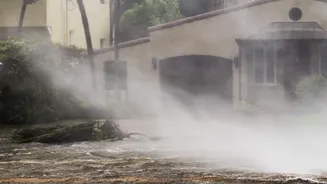
One of the most common and dangerous monsoon hazards is waterlogging. It is best to avoid driving through flooded streets altogether. It’s difficult to gauge the depth of standing water, which can conceal open manholes, deep potholes, or other debris. As a rule, if the water level seems to be above the bottom of your car doors, do not attempt to cross it. Just a foot of water can be enough to make many cars float, leading to a loss of control, and just six inches of fast-moving water can be a threat. If you must proceed, do so with extreme care. Drive in a low gear (usually first or second) and keep the engine revs steady and slightly higher than normal to prevent water from entering the exhaust pipe. Maintain a constant, slow speed to create a bow wave in front of your vehicle and avoid stalling. Do not rush, as high speeds can create a splash that forces water into the engine's air intake, which can cause catastrophic damage. After exiting the water, gently tap your brakes a few times to dry them out and ensure they are working effectively.
Safe Driving Techniques in Heavy Rain
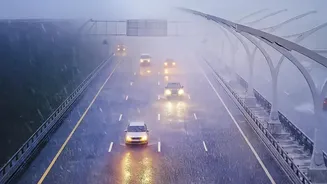
Heavy rain dramatically reduces visibility and grip. The most important adjustments are to slow down and increase your following distance. Braking distances can more than double on wet roads, so leave at least twice the normal gap between you and the vehicle ahead. Using headlights on a low-beam setting, even during the day, is essential to help other drivers see you. Avoid using high beams as they can reflect off the rain and blind oncoming traffic. Be gentle with all your inputs—steering, acceleration, and braking should be smooth to avoid unsettling the car and losing traction. Sudden manoeuvres can easily lead to a skid. Pay special attention to two-wheelers and pedestrians, who are more vulnerable and harder to spot in the rain. If visibility becomes extremely poor, it is safer to pull over to a secure location, away from moving traffic, and wait for the rain to subside.
Landslide Risks in Hilly Areas
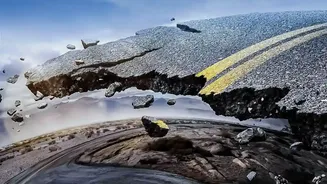
For those driving in hilly or mountainous regions, landslides are a significant threat during the monsoon. Be extra vigilant on these routes. Warning signs of an impending landslide include new or widening cracks in the road, tilting trees or utility poles, and the sudden appearance of springs or muddy water flowing where it wasn't before. You might also hear unusual sounds like cracking trees or rumbling debris. If you are on the road, watch for collapsed pavement, mud, and fallen rocks, which indicate potential debris flow. Road signs indicating a risk of falling rocks should be taken seriously. If you witness any of these signs, do not proceed. The safest course of action is to turn back and report the situation to local authorities. Never try to outrun a landslide. Your priority should always be to move away from the danger zone immediately.
Your Monsoon Emergency Kit
Being prepared for the unexpected can make a huge difference if you get stranded. A monsoon emergency kit in your car is a wise investment. Key items to include are a tow strap, jumper cables, a powerful torch with extra batteries, and a first-aid kit. A reflective warning triangle is crucial for alerting other drivers if you break down. Also, pack an umbrella, a raincoat, a few microfiber cloths to wipe down foggy windows, drinking water, and some non-perishable snacks. A fully charged power bank for your mobile phone can be a lifeline for communication.