


Permits: Who Needs What?
The first step in planning your Spiti trip is understanding the permit requirements, which differ based on nationality. Due to the valley's location near the Indo-Tibetan border, certain areas are classified as protected. For Indian citizens, the good
news is that no Inner Line Permit (ILP) or Protected Area Permit (PAP) is required to visit the main tourist areas of Spiti Valley, including Kaza, Tabo, and Key Monastery. You should, however, carry a valid government-issued photo ID like an Aadhaar card or passport at all times, as you will need to register at police checkpoints like those at Jangi and Sumdo.
A Guide for Foreign Nationals
For all foreign passport holders, a Protected Area Permit (PAP), often colloquially called an Inner Line Permit, is mandatory to travel through the restricted zones of Kinnaur and Spiti. This applies to areas beyond Jangi if coming from the Shimla side. These permits can be obtained in person from the District Magistrate's (DM) or Sub-Divisional Magistrate's (SDM) offices in Shimla, Reckong Peo, or Kaza. Applying at Reckong Peo is often recommended as it is efficient. You will need copies of your passport and Indian visa, passport-sized photographs, and a detailed itinerary. Officially, permits are issued to groups of two or more, but solo travellers may be granted permits at the discretion of the issuing officer.
Choosing Your Path: Shimla vs. Manali
There are two main arteries into Spiti Valley: the route from Shimla via Kinnaur and the one from Manali via the Atal Tunnel and Kunzum Pass. Your choice of route is the single most important decision for a safe and enjoyable trip. The Shimla-Kaza highway (NH-5) is the longer, more reliable option. It remains open for most of the year, barring temporary closures from landslides during monsoons or heavy winter snow. Crucially, this route involves a gradual ascent, allowing your body to acclimatize to the high altitude, significantly reducing the risk of Acute Mountain Sickness (AMS).
The Gradual Route: Shimla to Kaza
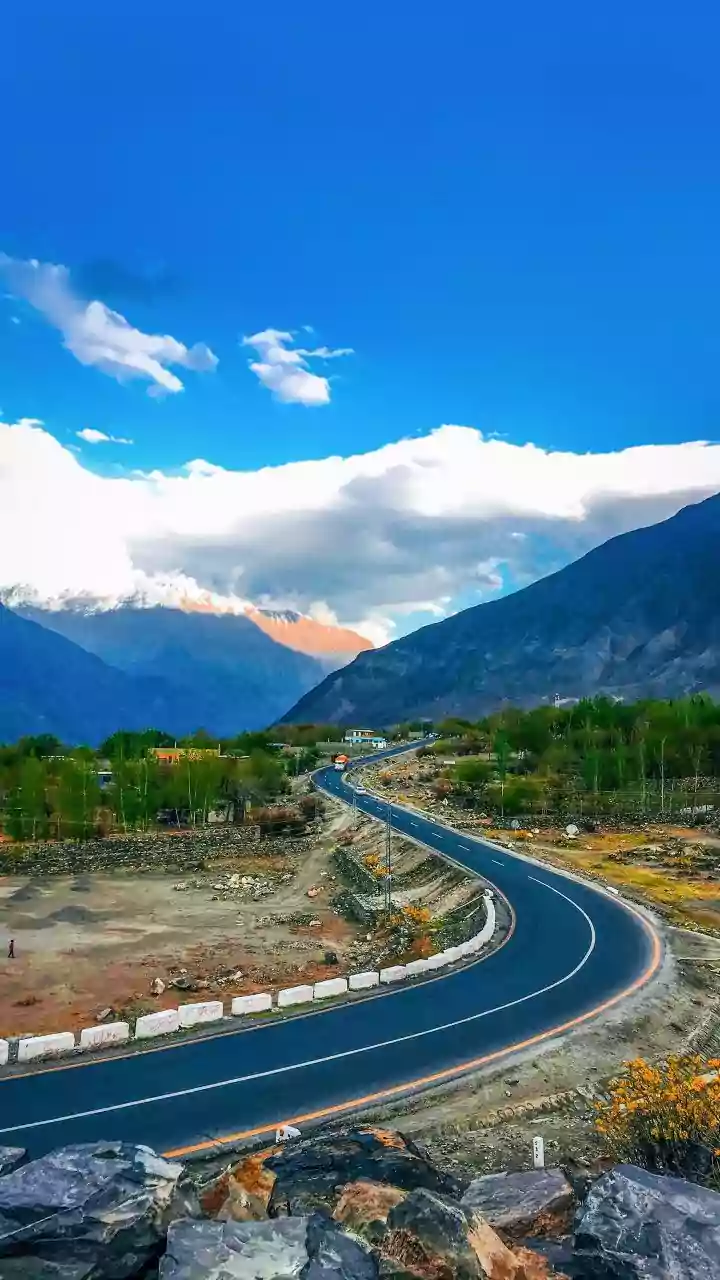
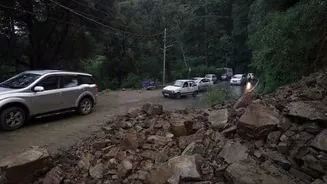
The 420-kilometer journey from Shimla to Kaza is best covered over three to four days. This route takes you through the beautiful Kinnaur valley, with overnight stops typically in places like Narkanda, Sangla, or Kalpa, before proceeding towards Nako, Tabo, and finally Kaza. While generally safer, this road has its own challenges, including treacherous sections like the landslide-prone Maling Nala between Pooh and Nako. Driving at night is strongly discouraged. Sedans can manage this route with careful driving during good weather, but a vehicle with higher ground clearance is always preferable.
The High Road: Manali to Kaza
The Manali-Kaza route is shorter, at approximately 200 km, but far more demanding. It is only open from late May or early June until mid-October, once the Border Roads Organisation (BRO) clears the snow from the formidable Kunzum Pass (4,551 metres) and Rohtang Pass. This route features a notoriously difficult 60 km stretch from Gramphu to Losar, which is largely an unpaved track with multiple water crossings. The rapid altitude gain makes this route a high-risk corridor for severe AMS. It is strongly recommended only for experienced mountain drivers with 4x4 vehicles.
Essential Driving Safety Tips
Regardless of your chosen route, driving to Spiti demands respect and caution. Always check the latest road status before starting your day, as conditions can change rapidly. Avoid driving after dark. Carry enough cash, as ATMs are scarce and often non-functional in Kaza. Mobile connectivity is patchy; BSNL postpaid offers the best coverage, but you should download offline maps. Ensure your vehicle is in top mechanical condition, and know how to change a tyre. Given the challenging terrain, hiring a local driver with experience navigating these roads is a wise and safe investment for a stress-free journey.