

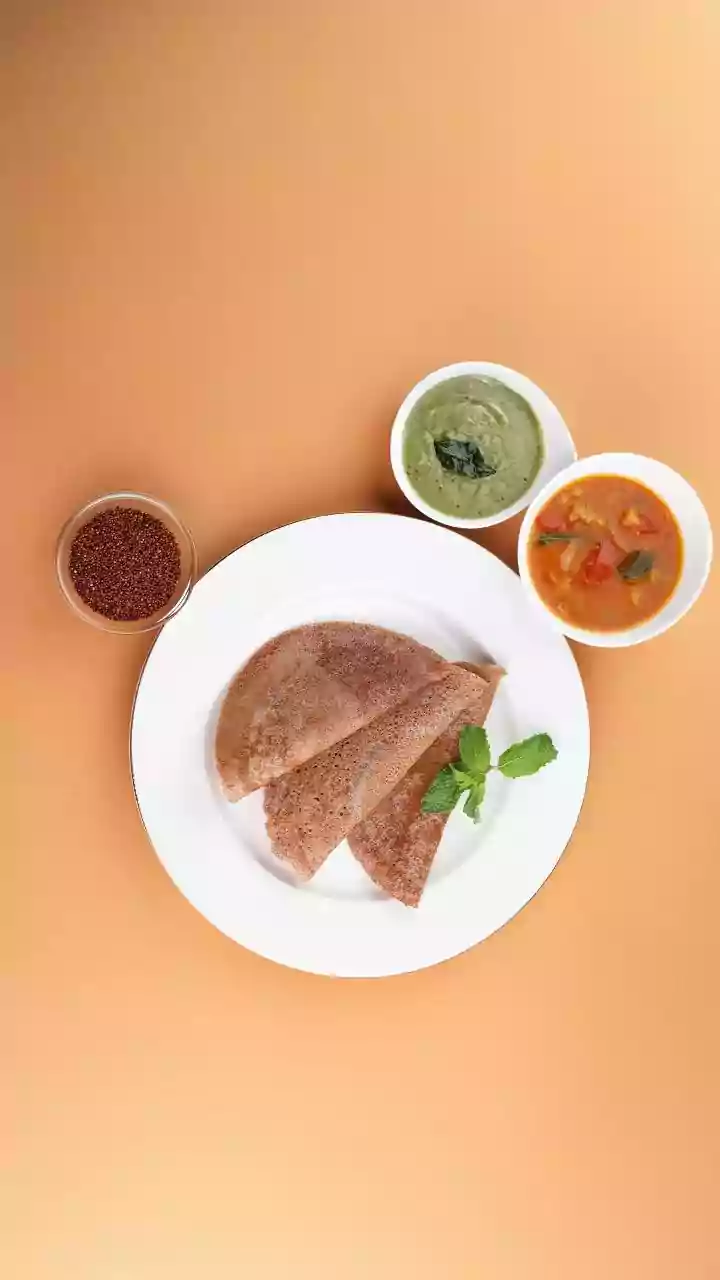

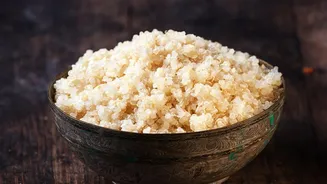

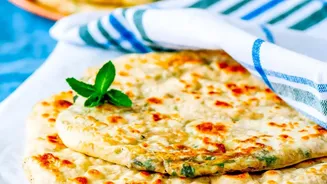
What Are Ancient Grains, Anyway?
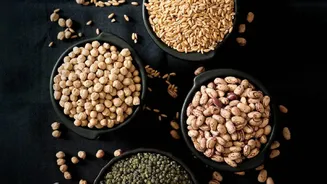
The term 'ancient grains' refers to grains and 'pseudocereals' (seeds that are consumed like grains) that have remained largely unchanged for hundreds or even thousands of years. Unlike modern wheat or corn, which have been extensively crossbred, grains like amaranth,
sorghum, quinoa, and millet are closer to their original forms. This means they often pack more protein, fiber, vitamins, and minerals than their modern, more refined counterparts. For vegetarian households, this is fantastic news, as these grains offer a robust nutritional foundation for countless meals, helping to keep everyone feeling full and satisfied.
The Nutritional Powerhouse for Vegetarians
One of the biggest advantages of ancient grains is their impressive nutritional profile, which is particularly beneficial for those on a plant-based diet. Many ancient grains are rich in protein, a key nutrient for muscle development and overall health. Quinoa and amaranth, for example, are considered 'complete proteins', meaning they contain all nine essential amino acids that the body cannot produce on its own. This makes them an excellent alternative to animal proteins. Furthermore, these grains are often excellent sources of fiber, which aids digestion, and essential minerals like iron, magnesium, and zinc, which can sometimes be less abundant in vegetarian diets.
Amaranth: The Tiny Grain with Mighty Protein
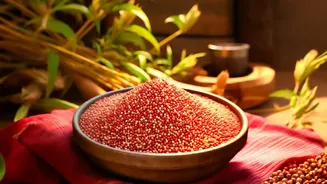
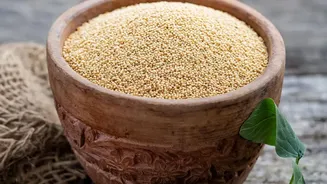
Once a staple food of the Aztecs, amaranth is a tiny, gluten-free pseudocereal with a peppery, nutty flavor. It's a protein powerhouse, containing more of the nutrient than rice or corn. Cooking amaranth is simple: combine one cup of the grain with about two-and-a-half cups of water, bring to a boil, then simmer for about 20 minutes until the water is absorbed. For a creamier, porridge-like texture, simply add a little more water. You can also 'pop' amaranth in a hot, dry skillet for a crunchy topping on salads or yogurt.
Quinoa: The Versatile Crowd-Pleaser
Quinoa has become one of the most popular ancient grains, and for good reason. It's gluten-free, a complete protein, and has a mild, slightly nutty taste that makes it incredibly versatile. It cooks quickly, usually in about 15 minutes, making it perfect for weeknight meals. Use a ratio of one part quinoa to two parts water. It's crucial to rinse quinoa before cooking to remove its natural coating, called saponin, which can taste bitter. Use it as a base for grain bowls, add it to soups and stews, or form it into patties for veggie burgers.
Millet: The Fluffy, Gluten-Free Wonder
Often recognized as an ingredient in birdseed, millet is a wonderfully light and fluffy grain when cooked, with a mild, slightly sweet flavor. It's naturally gluten-free and packed with minerals. Millet is extremely versatile; you can cook it to be fluffy like rice or, by stirring it frequently with extra liquid, create a creamy, polenta-like mash. Toasted in a dry pan before cooking, it develops a richer, nuttier flavor. It serves as an excellent base for curries, stir-fries, or as a comforting breakfast porridge.
Sorghum: The Chewy, Hearty Staple
If you're looking for a hearty grain with a satisfyingly chewy texture, look no further than sorghum. This gluten-free grain is a fantastic substitute for pearl barley in soups or as a stand-in for rice. It has a mild flavor and can be used in salads, pilafs, or as a simple side dish. Sorghum takes longer to cook than quinoa or amaranth, typically simmering for 50-60 minutes. Like amaranth, some varieties of sorghum can also be popped like popcorn, creating a fun and healthy snack for the whole family.
Tips for Introducing Grains to Your Family
Getting kids on board with new foods can be a process. Research shows it can take multiple exposures—sometimes up to 15—for a child to accept a new food. Start by incorporating ancient grains into familiar dishes. Try mixing cooked quinoa into meatballs or mac and cheese, or using whole-grain flour in pancakes or pizza crust. Another strategy is to cook ancient grains in vegetable broth instead of water to give them a more savory flavor from the start. Involving kids in the cooking process can also make them more excited to try the final product.