





Why Pull-Ups Forge Resilient Shoulders
A correctly performed pull-up is a masterclass in shoulder function. While often celebrated as a back and bicep builder, its true value for shoulder durability lies in the supporting role played by a network of crucial muscles. Pull-ups engage the rotator
cuff, rear deltoids, and the mid and lower trapezius muscles. These groups are responsible for stabilizing the entire shoulder girdle. By strengthening them, you create a robust support system that keeps the shoulder joint centered and moving smoothly, which can improve posture and reduce the risk of injury during other activities. The movement itself, especially the full hang at the bottom, promotes mobility and trains the shoulder blades in upward and downward rotation, a key element for pain-free overhead movement.
The 'Bare Hand' Advantage
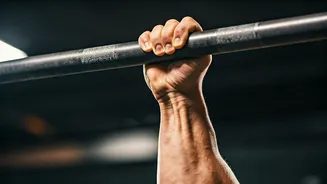
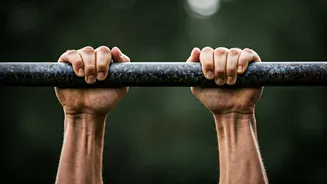
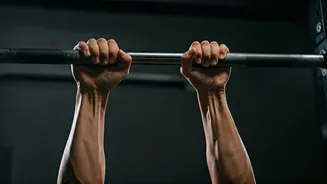
Ditching the lifting gloves might seem like a small change, but it has a significant impact. Performing pull-ups with bare hands is one of the most effective ways to increase grip strength. This is more than just about holding on; a stronger grip allows for better control and stability throughout the entire pulling motion. When your hands and forearms are fully engaged without the buffer of a glove, you receive more direct feedback from the bar. This enhanced connection, often called proprioception, improves your technique and allows the stabilizing muscles in your shoulders to function more effectively. While calluses might form, many coaches see them as a natural adaptation—your hands are becoming more resilient, just like the muscles you're training.
Mastering Form for Maximum Benefit
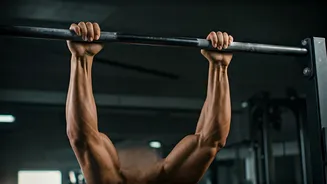
Proper form is non-negotiable for reaping the shoulder benefits of pull-ups and avoiding injury. Start by grabbing the bar with an overhand grip, slightly wider than your shoulders. Before you pull, engage your shoulders by pulling your shoulder blades down and back, away from your ears; this is often called 'packing' the shoulders. This single step is crucial as it ensures your back and shoulder stabilizers initiate the movement, not just your arms. As you pull, focus on driving your elbows down towards your ribs, leading with your chest towards the bar. Your core should be braced to prevent swinging. The movement should be controlled, especially on the way down. A slow, two-to-three-second descent builds tremendous strength and reinforces joint stability.
Common Mistakes That Risk Injury
Many common pull-up mistakes can lead to shoulder pain or impingement. The most frequent error is letting the shoulders shrug up towards the ears and roll forward, especially at the bottom of the movement. This puts excessive strain on the front of the shoulder joint. Another pitfall is using momentum, or 'kipping', without having the foundational strength first; this can jam the joint. Finally, failing to use a full range of motion—from straight arms at the bottom to chin over the bar at the top—cheats you out of the full mobility and strength benefits. Each repetition should be deliberate and controlled, focusing on quality over quantity.
Your Path to the First Pull-Up
If a full pull-up is not yet accessible, a structured progression is the safest way to build strength. Start with simple hangs from the bar to build grip strength and acclimate your shoulders to the position. Progress to 'scapular pull-ups', where you hang with straight arms and simply practice pulling your shoulder blades down and back. This isolates the crucial first step of the pull. From there, you can incorporate negative pull-ups, where you use a box to start at the top of the position and lower yourself down as slowly as possible. Assisted variations using resistance bands or lat pulldown machines can also help bridge the gap until you can perform your first strict, bare-hand pull-up.