



The Science of a Superior Sear
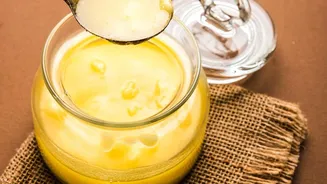
The secret to ghee's success in high-heat cooking lies in its smoke point. When a fat or oil gets too hot, it starts to break down, smoke, and release harmful compounds that can ruin the taste of your food. Ghee has an impressively high smoke point, typically
around 250°C (485°F). This is significantly higher than butter, which starts to burn at around 175°C because its milk solids can't take the heat. It also outperforms many common cooking oils, especially unrefined ones. This means you can get your pan properly hot for searing vegetables or tempering spices for a dal tadka without your cooking fat turning bitter or toxic. By removing the water and milk solids, the clarification process leaves behind pure butterfat that remains stable even at the high temperatures required for many Indian cooking techniques.
A Flavour for Every Palate
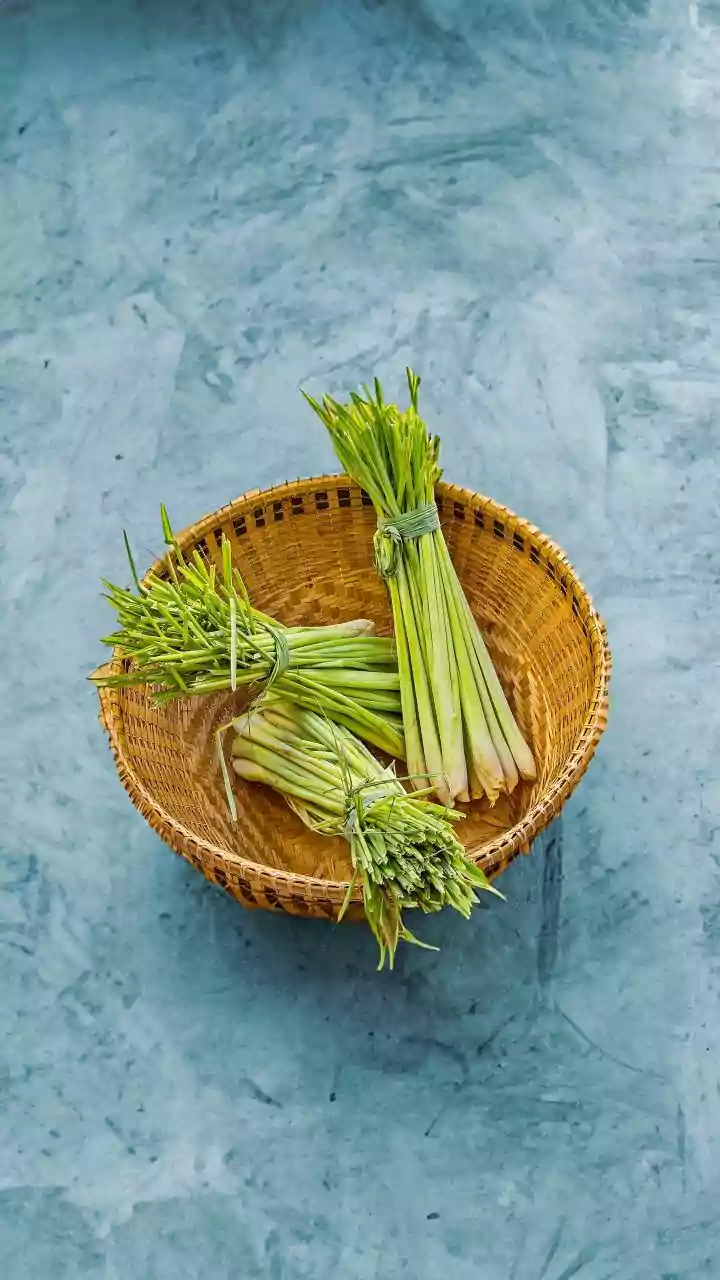
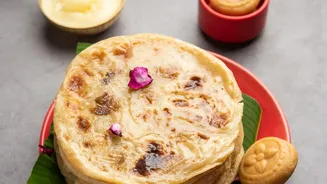
While the performance at high temperatures is a major draw, it's the 'infused' part of the trend that is truly exciting home cooks. The rich, nutty flavour of ghee serves as a perfect canvas for a wide array of aromatics. Artisanal brands and DIY enthusiasts are experimenting with everything. Popular infusions include smashing garlic cloves, dropping in sprigs of rosemary and thyme, or adding whole spices like cinnamon sticks and chilli peppers during the clarification process. This allows the fat to become deeply perfumed with the desired flavour. A drizzle of garlic-infused ghee can elevate a simple paratha, while a spoonful of chilli-infused ghee adds a complex heat to fried eggs or roasted vegetables. This move towards flavoured variants is expanding ghee's appeal beyond traditional cooking into everyday gourmet applications.
Rediscovering Traditional Wellness
The renewed interest in ghee is also part of a broader wellness trend that sees consumers revisiting ancestral diets and Ayurvedic principles. Ghee is a source of fat-soluble vitamins like A, D, E, and K, and its consumption can help the body absorb these essential nutrients from other foods. Because the clarification process removes most of the lactose and casein, ghee is often better tolerated by individuals with dairy sensitivities. It's also a source of butyrate, a short-chain fatty acid that is believed to have anti-inflammatory properties and support gut health. This combination of practical cooking benefits and perceived health advantages is making ghee a popular choice for health-conscious urban households looking for cleaner, more natural ingredients.
Navigating the Ghee Aisle
The rising popularity has led to a boom in the market, with options ranging from mass-produced jars to small-batch artisanal products. For those looking to buy, labels like "A2," "Bilona," and "grass-fed" signify different production methods and milk sources that are often associated with higher quality and nutritional value. The Bilona method, for instance, is a traditional process of churning curd to make butter before clarifying it into ghee, which many believe results in a superior product. However, for the adventurous cook, making infused ghee at home is a straightforward process. It simply involves gently heating butter, skimming off the milk solids as they separate, and then simmering the clarified fat with your chosen aromatics before straining. Whether store-bought or homemade, the options for incorporating this versatile fat into daily cooking are plentiful.