


A Growing Appetite for Health
The single biggest driver behind this consumer shift is a surge in health consciousness. A growing awareness around lifestyle diseases is prompting Indians to look closer at what they eat. Consumers are actively reading labels, seeking out products that
are baked instead of fried, low in calories, and free from preservatives and palm oil. This has fueled a booming market for healthy snacks, which is projected to grow significantly in the coming years. Brands offering snacks made from millets, quinoa, oats, and seeds are finding a receptive audience, especially among urban consumers who are willing to pay a premium for products that align with their wellness goals.
The Rise of Convenient, On-the-Go Options
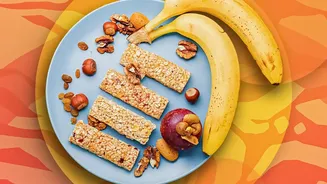
Modern, fast-paced lifestyles have fundamentally changed eating habits. With compressed urban schedules and longer commutes, many Indians, particularly the growing female workforce, have less time for traditional meal preparation. Snacks are no longer just an evening indulgence but often serve as meal replacements. This has created a massive demand for convenient, on-the-go options. New-age brands have capitalized on this by offering their products in single-serve, portable packaging that fits easily into a handbag or office drawer. Options like granola bars, protein balls, and small packs of roasted nuts are perfectly suited for this new pattern of consumption.
Digital Discovery and D2C Disruption
The way consumers discover and buy products has been transformed by the internet. New-age snack brands, often called Direct-to-Consumer (D2C) brands, have masterfully used social media and e-commerce to bypass traditional retail channels. They build a direct relationship with their customers, using storytelling to highlight their clean ingredients and unique value propositions. Platforms like Instagram and quick-commerce apps allow these smaller, agile brands to compete with legacy giants, reaching a national audience without the need for massive distribution networks. This digital-first approach allows them to target specific demographics, from health-conscious millennials to Gen Z consumers looking for authentic but modern products.
Tradition, Reimagined
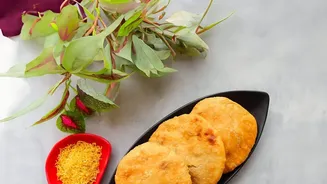
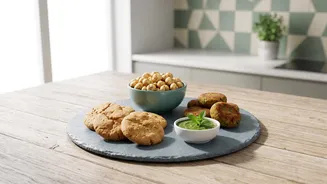
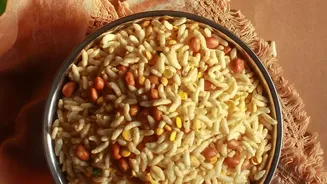
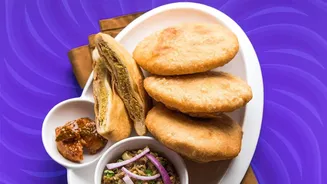
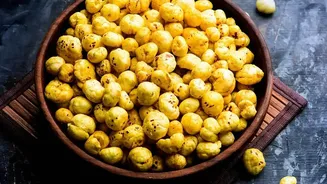
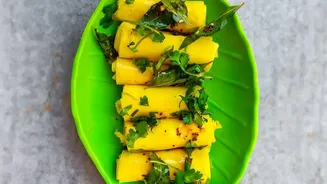
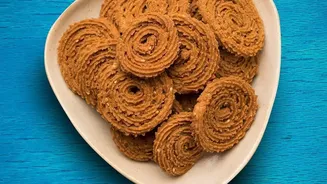
This shift doesn't mean a complete rejection of traditional tastes. In fact, many of the most successful new-age brands are innovating by giving classic Indian snacks a healthy makeover. Think baked millet chakli, roasted makhana with peri-peri flavour, or jowar puffs instead of fried corn-based snacks. These products offer the familiar, beloved flavours of Indian spices and regional recipes but in a format that is better for you. By striking a balance between nostalgia and novelty, these brands appeal to a consumer who wants to maintain a connection to their culinary heritage while embracing a healthier lifestyle. It’s a powerful combination of authenticity and modern wellness.
The Aspirational Consumer
Ultimately, the choice of a snack has become an expression of identity. For the modern, aspirational Indian consumer, opting for a boutique, clean-label snack over a mass-market one is a statement. It signals an awareness of global trends, a commitment to personal well-being, and a discerning taste. These consumers are well-informed, often through digital media, and are not just buying a product but an ethos. The sleek, modern packaging and strong branding of D2C snacks appeal to this desire for a premium experience. As disposable incomes rise, more consumers are choosing to spend on products that offer perceived higher quality and align with their values, fundamentally reshaping the entire snack industry.