







The Hidden Compounds in Your Fruit
Citrus fruits are celebrated for their health benefits, packed with vitamins and antioxidants. However, they also contain a class of compounds called flavonoids. While often beneficial, specific flavonoids like naringin are central to the drug-interaction
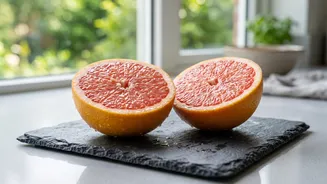
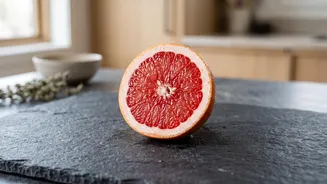
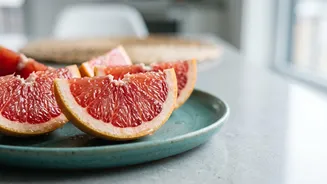
phenomenon. When you eat a grapefruit or drink its juice, you’re consuming a significant amount of these compounds. In the gut, naringin is converted into its more active form, naringenin, which is where the trouble can begin. This isn’t limited to just grapefruit; other citrus fruits like pomelos, Seville oranges (often used in marmalades), and tangelos carry similar risks because they contain the same or related compounds.
Meet Your Body’s Drug Delivery System
To understand the interaction, you first need to know how many oral medications get into your system. After you swallow a pill, it needs to travel from your intestine into your bloodstream to work. This journey isn't always passive. Your intestinal walls are lined with special proteins called transporters. Think of them as tiny, selective gateways or a sophisticated delivery service. One crucial family of these are the Organic Anion-Transporting Polypeptides, or OATPs. Their job is to actively grab specific drug molecules from the gut and shuttle them into the blood, ensuring you get the right dose.
How Citrus Blocks the Gateways
The main issue with certain citrus flavonoids is their ability to inhibit these essential transporters. Specifically, compounds like naringin effectively block the OATP transporters. Imagine the transporter is a lock, and the drug is the key. The flavonoid acts like a piece of chewing gum someone has jammed into the lock, preventing the key from entering. When OATPs are deactivated, they can't ferry the drug from the intestine into the bloodstream efficiently. As a result, much less of the drug is absorbed, and its concentration in your blood can plummet, rendering the medication ineffective. This is particularly noted with drugs like the antihistamine fexofenadine.
A Different Problem: Overdosing
Confusingly, citrus can have the opposite effect on other drugs, making them dangerously strong. This happens through a different mechanism involving a group of enzymes called Cytochrome P450 3A4 (CYP3A4), which are also found in the gut. These enzymes are responsible for breaking down many medications. Compounds in grapefruit, primarily furanocoumarins, inhibit these enzymes. When CYP3A4 is blocked, drugs that it would normally metabolise escape this process and enter the bloodstream in much higher concentrations than intended. This can lead to a risk of overdose and severe side effects. So, while flavonoids blocking transporters can lead to less drug absorption, furanocoumarins blocking enzymes can lead to more.
Which Drugs and Fruits Are a Concern?
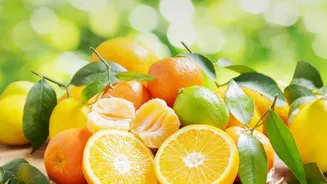
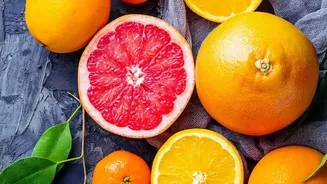
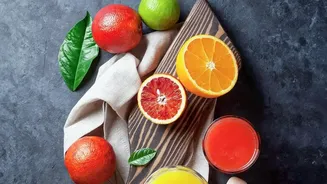
The list of medications affected by citrus is long and growing. Due to the dual mechanisms of action, it's crucial to be aware. Drugs affected by the transporter-blocking effect (leading to lower efficacy) include some antihistamines like fexofenadine. The list of drugs affected by the enzyme-blocking effect (leading to higher, potentially toxic levels) is much longer and includes some statins for lowering cholesterol (like atorvastatin and simvastatin), certain blood pressure medications (like nifedipine), some anti-anxiety drugs, and immunosuppressants used after organ transplants. The fruits to watch out for are primarily grapefruit, pomelos, Seville oranges, and tangelos. Sweet oranges (like Navel or Valencia), lemons, and tangerines are generally considered safe as they don't contain significant amounts of the interacting compounds.