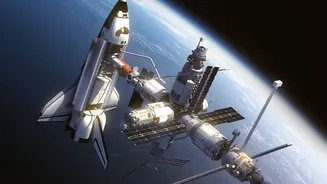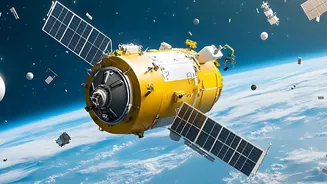



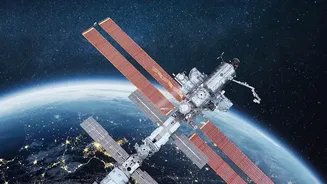
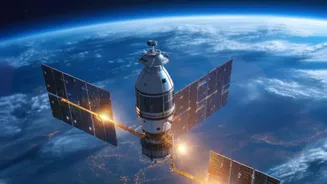
A precious cargo delivery has just returned from orbit, not with astronauts, but with the potential for life-changing science. A SpaceX Dragon capsule recently splashed down, bringing home a trove of research from the International Space Station.
A Fiery Return With Priceless Science
After
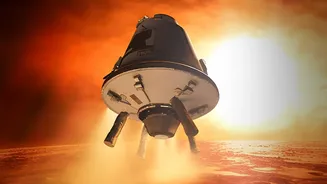
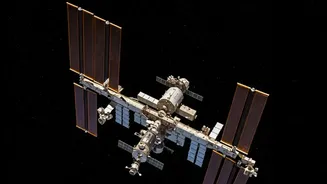
spending over a month docked at the International Space Station (ISS), the unpiloted SpaceX Dragon spacecraft made its successful return to Earth. The capsule, completing the 35th Commercial Resupply Services (CRS-35) mission for NASA, splashed down in the Pacific Ocean off the coast of California on Saturday, November 21. This return journey is a critical part of the orbital research cycle. While sending experiments to space is one challenge, the ability of the Dragon capsule to bring materials back intact is what allows scientists to conduct in-depth analysis on the ground. A dedicated team raced to retrieve the capsule, beginning the urgent process of transporting its time-sensitive contents to laboratories around the world.
What Was Inside the Dragon?
The capsule carried thousands of pounds of scientific materials, including several groundbreaking biological experiments. Among the key items were frozen tumour organoids, which are lab-grown models of cancerous tissues that were treated with chemotherapy drugs while in orbit. Scientists hope studying these will reveal new ways to improve cancer treatments and advance personalised medicine. Also on board was a 3D-bioprinted blood vessel structure, created in space using human cells to study vascular aging and cardiovascular disease. Additionally, the capsule returned frozen microbial samples for studying how antibiotic-resistant 'superbugs' adapt and evolve in the unique environment of space, a growing concern for both astronaut health and public health on Earth.
The Promise of Microgravity Research
Conducting these experiments 400 kilometres above Earth is essential because the microgravity environment of the ISS allows scientists to observe phenomena that are masked by gravity on the ground. For instance, cells and tissues grow in three-dimensional structures more like they do in the human body, unencumbered by the pull of gravity. This allows for more realistic modelling of diseases. Studying the accelerated aging effects seen in astronauts' bodies, such as bone density loss and muscle atrophy, provides a unique model for understanding aging-related conditions on Earth, like osteoporosis. By removing gravity from the equation, researchers can isolate biological processes and physical phenomena, leading to fundamental insights that are impossible to gain otherwise.
From the Space Station to Daily Life
The research returning on CRS-35 isn't just for academic curiosity; it has tangible potential to improve life back on Earth. The investigation into lab-grown heart tissue, for example, could improve models for studying cardiovascular disease and testing new drugs. The cancer organoid study aims to make chemotherapy more effective and tailored to individual patients. Similarly, understanding how bacteria develop antibiotic resistance in space can inform strategies to combat it in hospitals worldwide. Even hardware gets tested. The mission also returned a specialised lighting system that was tested for over three years on the station to see if it could improve astronaut sleep and well-being, findings that could influence lighting design in homes and workplaces.