





The Rise of 'Desi' Superfoods
For years, the fitness world has been dominated by tubs of whey protein and complex pre-workout formulas. But a growing number of health-conscious individuals in India are looking back to their roots. This shift is driven by a desire for clean, whole
foods over processed supplements, concerns about hidden sugars and artificial ingredients in powders, and the sheer cost-effectiveness of traditional options. These 'desi' superfoods are not just nostalgic; they are nutritional powerhouses that are now being validated for their role in modern fitness.
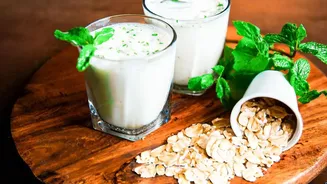
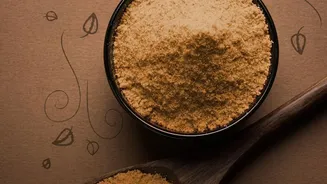
Sattu: The Original Protein Shake
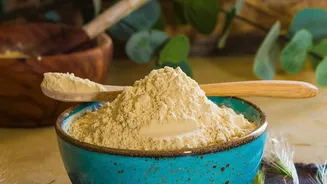
Sattu, a flour made from roasted Bengal gram, has been a staple in regions like Bihar, Uttar Pradesh, and Punjab for centuries, known for its cooling properties and as a source of sustained energy. Today, its impressive nutritional profile is catching the eye of the fitness community. A 100-gram serving packs around 20-25 grams of plant-based protein, crucial for muscle repair after a workout. It's also rich in complex carbohydrates and dietary fibre. This combination provides a slow, steady release of energy to replenish glycogen stores depleted during exercise and promotes satiety, helping to control post-workout hunger. Furthermore, it’s loaded with essential minerals like iron, magnesium, and calcium that aid in recovery and overall health.
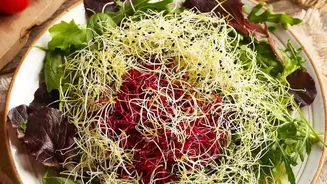
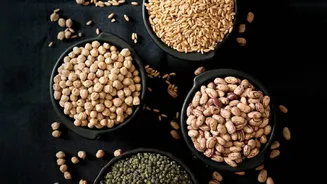
Sprouted Legumes: A Living Powerhouse
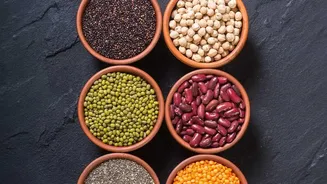
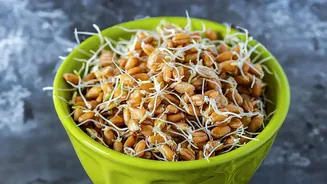
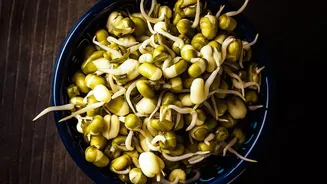
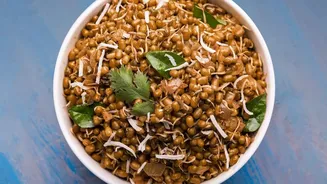
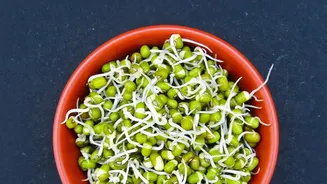
Sprouted legumes, like moong (mung beans), chana (chickpeas), and lentils, are another traditional food making a major comeback. The process of sprouting transforms a dormant seed into a live food, dramatically increasing its nutritional value. Sprouting breaks down anti-nutrients, making minerals more bioavailable and the legumes easier to digest. For post-workout recovery, sprouts are excellent. They provide high-quality, easily digestible protein essential for muscle synthesis. For instance, sprouted chickpeas can offer up to 9 grams of protein per 100g serving. They are also a fantastic source of vitamins, enzymes, and antioxidants that help reduce exercise-induced inflammation and oxidative stress.
The Science of Post-Workout Nutrition
After a strenuous workout, your body has two primary needs: protein to repair the microscopic tears in your muscle fibres and carbohydrates to refill your energy (glycogen) stores. Sattu and sprouted legumes effectively meet both requirements. The combination of protein and complex carbs in sattu creates an ideal environment for muscle recovery and growth. Similarly, the amino acids in sprouted legumes, such as leucine, are vital for stimulating muscle protein synthesis. Unlike fast-absorbing whey protein, these whole foods provide a more sustained release of nutrients, which can be beneficial for overall metabolic balance.
Beyond Muscle: Gut Health and Affordability
The benefits of sattu and sprouts extend beyond just muscle repair. Both are incredibly rich in dietary fibre, which is crucial for a healthy digestive system. Good gut health is foundational to fitness, as it ensures efficient nutrient absorption from all the foods you eat. Many users find these natural options easier on the stomach compared to whey protein, which can cause bloating or digestive issues for some, particularly those with lactose sensitivity. Perhaps one of the most compelling arguments is affordability. Sattu and legumes are readily available and significantly cheaper than most commercial protein supplements, making a high-protein diet more accessible to everyone.
Simple Ways to Power Your Recovery
Incorporating these foods into your post-workout routine is simple. For a quick sattu drink, mix 2-3 tablespoons of sattu powder in a glass of water or buttermilk, add a pinch of black salt and roasted cumin powder, and a squeeze of lemon for a refreshing and replenishing drink. You can also blend it into a smoothie with a banana and milk for added carbs and nutrients. Sprouted legumes can be eaten raw in a salad with chopped onions, tomatoes, and a lemon dressing, or lightly steamed to improve digestion. A simple 'sprout chaat' is a delicious and nutrient-dense way to refuel after exercise.