




Spiti’s Rain-Shadow Advantage
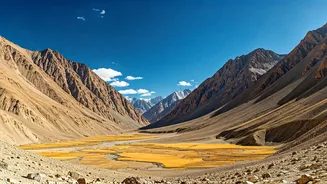
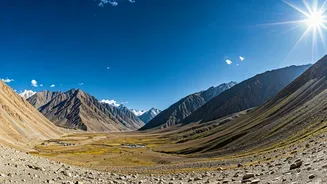
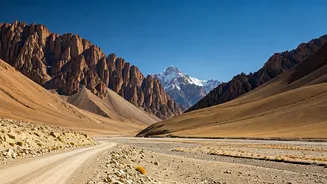
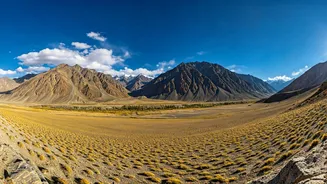
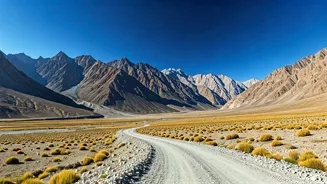
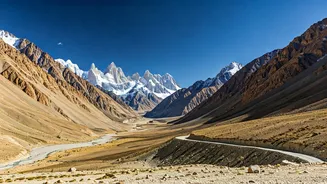
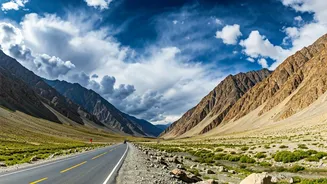
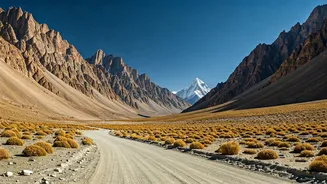
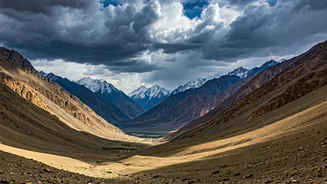
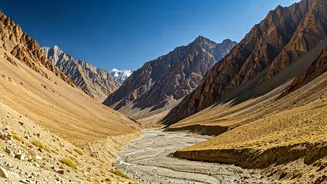
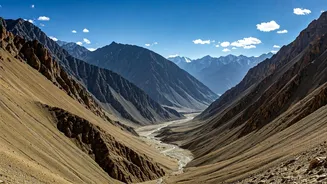
Spiti's magic as a monsoon destination lies in its geography. Tucked behind the Great Himalayan and Pir Panjal ranges, it sits in a rain-shadow area. These towering mountains block most of the moisture-laden monsoon clouds, resulting in minimal rainfall
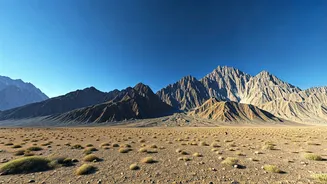
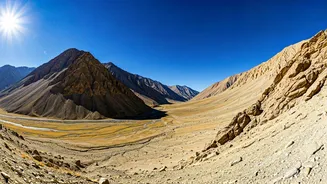
for Spiti itself. While the approach roads, particularly through Kinnaur and Manali, might see rain and occasional landslides, the valley proper remains relatively dry and sunny, offering clear skies when other Himalayan regions are drenched. This makes July and August, a tricky time for travel elsewhere, a prime window to experience Spiti’s raw, lunar-like landscapes.
Best Time to Visit
The ideal time to visit Spiti is from late May to early October when the roads are open and the weather is pleasant. June is often considered the perfect month, as both the Manali and Shimla routes are accessible, and attractions like Chandratal Lake are open. July and August are excellent for those looking to leverage the rain-shadow effect, but be prepared for potential disruptions on the routes leading into the valley. September offers beautiful post-monsoon clarity, fewer crowds, and a touch of autumn colour. Winters (October to February) are extremely harsh, with heavy snow closing most routes and services.
How to Reach Spiti: The Two Routes
There are two primary road circuits to reach Kaza, Spiti's main town. The first is via Shimla and Kinnaur. This route is longer (around 420 km from Shimla to Kaza) but is open for most of the year and allows for gradual acclimatisation as the altitude gain is slower. The second route is from Manali via the Atal Tunnel and Kunzum Pass. This path is shorter (around 200 km) but is only open from June to October. It involves a rapid and significant altitude gain, increasing the risk of Acute Mountain Sickness (AMS). For a balanced and safer journey, many travellers prefer entering via Shimla and exiting via Manali.
Ancient Monasteries and High-Altitude Villages
Spiti's soul lies in its ancient Buddhist monasteries. Key Monastery, perched dramatically on a hilltop, is the largest and most iconic in the valley. Tabo Monastery, known as the 'Ajanta of the Himalayas,' is a UNESCO World Heritage site famed for its thousand-year-old murals. Don't miss Dhankar Monastery, which clings precariously to a cliffside. Beyond monasteries, explore some of Asia's highest villages. Hikkim has the world’s highest post office, Komic is one of the highest motorable villages, and Langza is famous for its large Buddha statue and marine fossils.
Essential Tips for the High Altitude
Acclimatisation is critical in Spiti, where altitudes often exceed 12,000 feet. The golden rule is to ascend slowly; the Shimla route is highly recommended for this reason. Drink plenty of water (3-4 litres daily), eat light, carbohydrate-rich meals, and avoid alcohol for the first few days. On your first day at a high altitude, like in Kaza, rest and avoid strenuous activity. Listen to your body and be aware of AMS symptoms like headaches, nausea, and dizziness. Local homestays offer an authentic experience and are well-suited to the environment. Pack in layers, as temperatures can drop suddenly, even in summer.