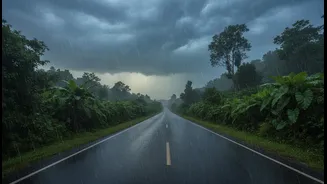




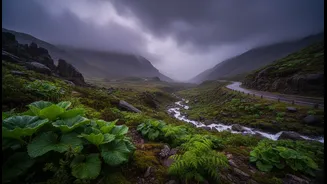
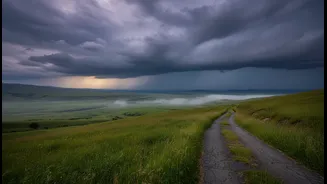
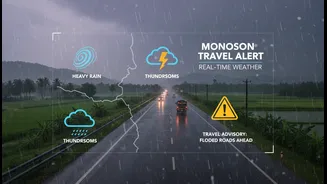


Choose Your Trail Wisely
Not all trails are created equal, especially in the rain. The biggest dangers in the monsoon aren't just slippery paths, but flash floods in narrow gullies, swollen river crossings, and treacherous rock patches that become frictionless when wet. In July
2026, authorities in districts like Hassan and Raigad have issued warnings and even banned trekking near certain waterfalls and landslide-prone areas following heavy rains. Before you go, research your route thoroughly. Opt for gradual fort trails with wider paths and avoid routes known for near-vertical climbs or those that cross multiple streams. Check for recent official advisories, as some popular trails like those in the Tamhini Sanctuary may be closed.
Gear Up for the Rain, Not Just for a Walk
Your regular sports shoes and cotton t-shirt won't cut it. Investing in proper gear is non-negotiable. The absolute essentials include waterproof trekking shoes with a deep grip, a reliable rain jacket or a full-body poncho that can also cover your backpack, and a rain cover for your bag itself. Inside your pack, use dry bags or plastic covers to give electronics, a first-aid kit, and a spare set of dry clothes an extra layer of protection. Many trekkers make the mistake of wearing cotton, which absorbs moisture and can lead to hypothermia; opt for quick-drying synthetic fabrics instead. A trekking pole is also highly recommended to improve stability on slippery terrain and to gauge the depth of muddy patches.
Check the Forecast and Local Conditions
Weather in the mountains can change in an instant. Ignoring weather alerts is one of the biggest mistakes a trekker can make. Don't just look at the seasonal forecast; check the detailed local weather and nowcasts from sources like the IMD the night before and the morning of your trek. Heavy rainfall significantly increases the risk of landslides, a serious concern in the Ghats. Be aware that authorities may suspend access to certain trails or require online permits, especially after intense rain spells. Never rely solely on Google Maps, as many remote areas have poor connectivity; always trek with a guide or an experienced group.
Mastering the Slippery Trail
Monsoon trails are notoriously slippery, muddy, and often obscured by fog or rain. The risk comes from lateritic and basaltic rock, common in the Western Ghats, which turns slick as glass when wet. Using a trekking pole can provide a crucial third point of contact, helping you maintain balance and test uncertain ground before committing your full weight. Walk slowly, take deliberate steps, and always be aware of the trail ahead. Full-length trousers are preferable to shorts as they offer protection from scratches and, importantly, from leeches, which are abundant in the damp forests. Ankle gaiters can provide an additional barrier against both water and leeches.
The Dangers of Water Crossings
A gentle stream you crossed in the morning can become a raging, impassable torrent by the afternoon. Swollen stream crossings are one of the top three real risks of monsoon trekking. Never attempt to cross a river or stream that is flowing too quickly or appears too deep. There have been numerous incidents of trekkers being stranded or swept away after underestimating the force of the water. If you're with a guide, follow their instructions implicitly. If you are unsure, it is always safer to wait or turn back. No viewpoint is worth risking your life.
Trek in Groups and Inform Others
Trekking alone during the monsoon is extremely risky. Poor mobile network coverage is common in remote areas, meaning you could be left without help in an emergency. Always trek with a group and, if possible, with an experienced guide who knows the local terrain and its monsoon-specific dangers. Before you leave, inform a reliable contact back home about your detailed itinerary, including your planned route and expected return time. This simple step ensures that if you do run into trouble, rescuers will know where to start looking.