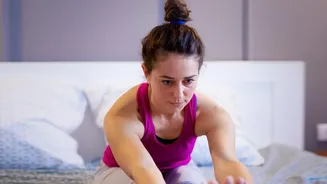

Paschimottanasana, or the Seated Forward Bend, is a cornerstone of yoga that promises a deep stretch for the entire back of the body. Yet, its true power and safety lie not in touching your toes, but in one key action: hinging at the hips.
The Hip Hinge vs. Spinal Rounding
The most common
mistake in Paschimottanasana is rounding the back to force the head towards the knees. This collapses the chest and puts immense strain on the vulnerable discs of the lower spine. A true hip hinge, by contrast, is a movement where the pelvis tilts forward over the thigh bones, much like a door swinging on its hinges. The spine's role is to remain long and extended, leading with the chest, not the chin. The goal is to bring the belly towards the thighs, not the nose towards the shins. This fundamental shift in focus protects the back and correctly targets the hamstrings.
Technique for a Mindful Fold
Begin by sitting on the floor with your legs extended in front of you. If you immediately feel your lower back rounding, sit on the edge of a folded blanket or block to elevate your hips. This small adjustment makes it much easier for the pelvis to tilt forward. Inhale and actively lengthen your spine, lifting through the crown of your head. As you exhale, initiate the fold from your hip creases, not your waist. Imagine your chest moving forward towards your feet, keeping your spine as long as possible. Place your hands wherever they land comfortably—on your shins, ankles, or feet—without pulling or forcing.
Recognising Your Practical Limits
The depth of your forward bend is determined by your unique anatomy, not your ambition. The primary limiting factor for most people is tight hamstrings. These large muscles run down the back of your thighs, and when they are short, they pull on the sitting bones, causing the pelvis to tilt backward and the lower back to round. Forcing the stretch here can lead to hamstring strain or injury near the attachment points. Other factors include lower back issues like disc herniation or sciatica, for which deep forward flexion is often contraindicated. The feeling should be a broad stretch in the belly of the hamstrings, not sharp pain anywhere.
Intelligent Modifications for Every Body
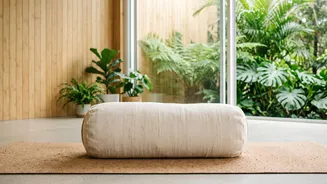
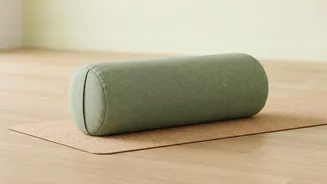
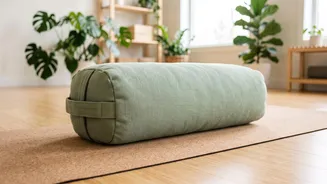
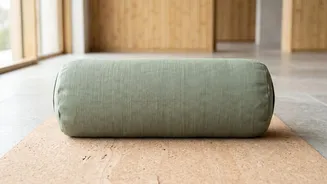
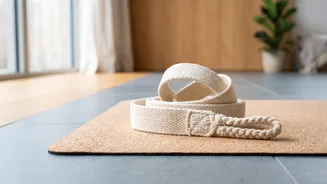
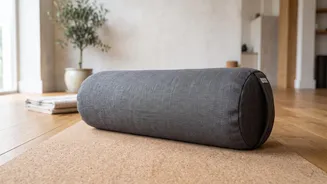
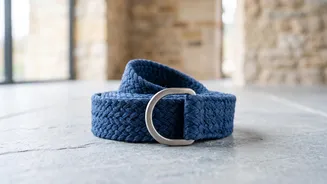
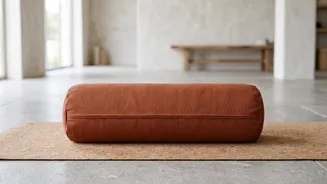
Props are not a sign of weakness; they are a sign of wisdom. The most effective modification for tight hamstrings is to bend your knees. You can bend them slightly or generously, even placing a rolled blanket or bolster underneath for support. This immediately releases tension in the hamstrings and lower back, allowing for a safer and more effective hip hinge. Another excellent tool is a yoga strap. Loop the strap around the balls of your feet and hold it with both hands, keeping your arms relaxed. The strap extends your reach without encouraging you to pull and round your spine.
The True Benefits of a Proper Bend
When practised correctly, Paschimottanasana is a deeply therapeutic pose. It provides a sustained, safe stretch for the entire posterior chain of the body, from the calves to the spine. This can help counteract the effects of prolonged sitting and improve overall flexibility. The gentle compression on the abdomen can stimulate digestive organs. Perhaps most importantly, the inwardward folding nature of any pose has a calming effect on any nervous system, making it an excellent posture for stress relief and mental quietude. It teaches patience and body awareness, which are central tenets of yoga.