




The Science Behind Monsoon Sickness
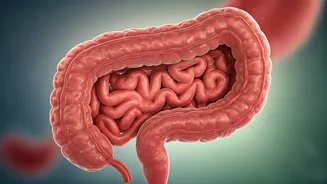
The monsoon season in India sees a significant spike in foodborne and waterborne diseases like gastroenteritis, typhoid, cholera, and hepatitis A. The reason is simple: the combination of high humidity, moisture, and intermittent flooding creates an ideal
environment for harmful microorganisms like bacteria, viruses, and fungi to thrive. Water sources often become contaminated with sewage and other pollutants, making anything washed or prepared with this water a potential health hazard. Food also spoils much faster in the damp conditions. Hospitals across the country report a predictable surge in gastroenteritis cases, sometimes by as much as 80%, within weeks of the first rains, underscoring the seriousness of the risk.
Rethinking Raw: Leafy Greens and Salads
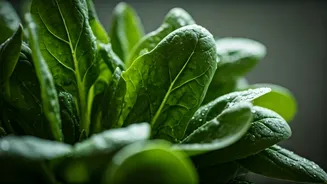
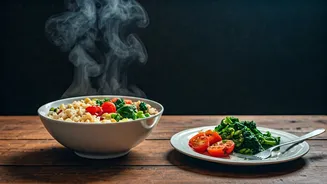
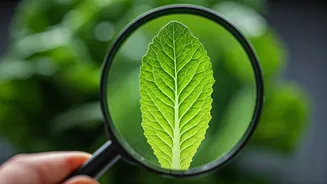
While normally hailed as health heroes, leafy green vegetables like spinach, cabbage, and lettuce become high-risk foods during the monsoon. The dampness and grime on the leaves provide a perfect hiding place for germs, worms, and bacteria that can be difficult to remove even with thorough washing. Similarly, cruciferous vegetables like cauliflower and broccoli have many small crevices where moisture and insects can get trapped. Experts strongly advise against consuming raw salads during this season. If you must eat these vegetables, it is far safer to cook them thoroughly, as heat kills most pathogens. Steaming or blanching is a better alternative to eating them raw.
Navigating the Temptation of Street Food
The craving for hot, crispy pakoras and spicy chaat intensifies with the rain, but street food is particularly risky during the monsoon. Stalls are often exposed to the elements, and water used for cooking and chutneys can be contaminated. Uncovered sauces and pre-cut fruits are breeding grounds for bacteria. This doesn't mean you must avoid all street food entirely. The key is to choose wisely. Opt for items that are prepared fresh and served steaming hot, such as roasted corn (bhutta), freshly fried pakoras, or hot dosas. The heat helps kill germs. Avoid pani puri, where the water is a primary risk, and any chaat with cold or raw components.
Choosing Proteins and Dairy with Care
The monsoon is the breeding season for many fish, and the risk of spoilage for both seafood and meat is higher due to the humidity. It's crucial to buy meat and seafood from reputable, clean sources and cook them thoroughly to a safe internal temperature. Dairy products like milk, paneer, and curd can also spoil quickly. It's best to consume only pasteurised dairy products and ensure they are stored correctly in the refrigerator. Probiotic-rich foods like yoghurt and buttermilk can be beneficial for gut health, but freshness is key.
Building a Monsoon-Proof Diet
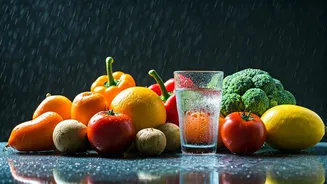
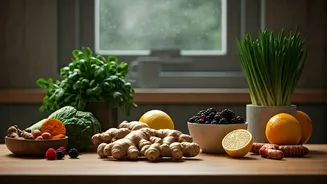
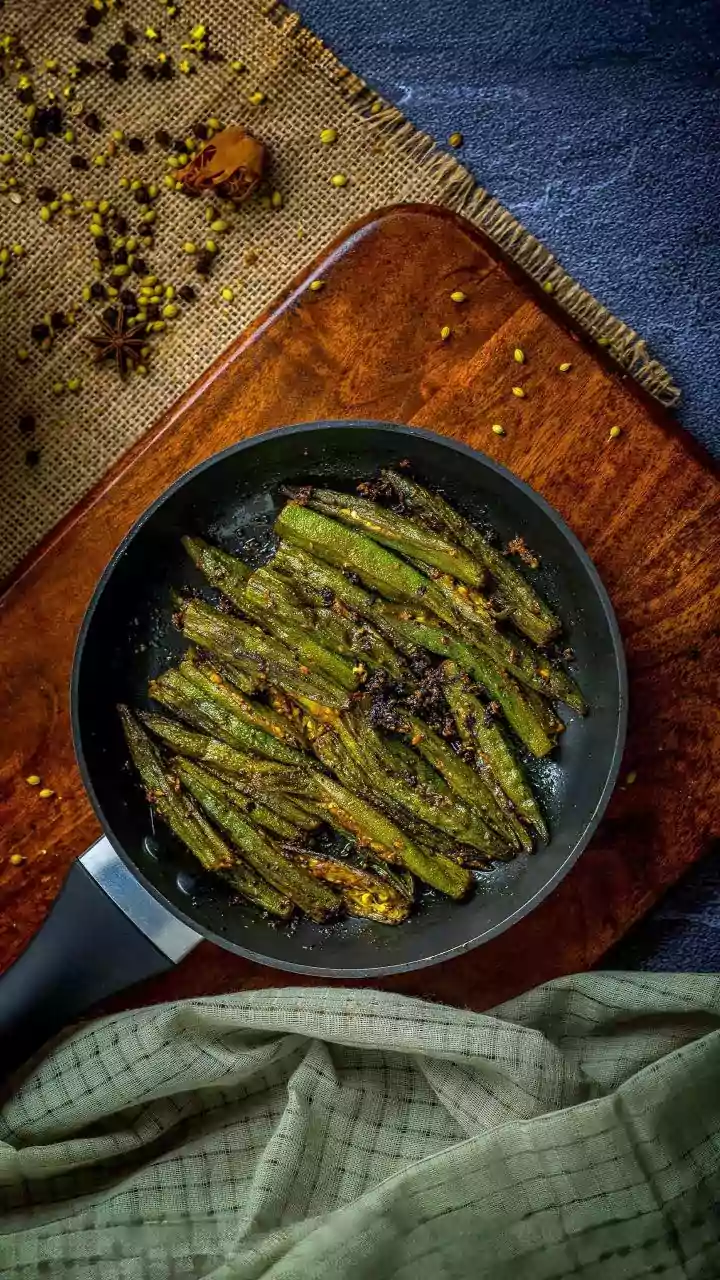
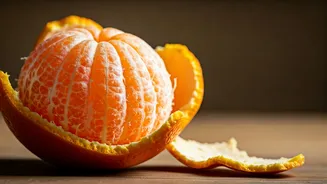
Focusing on what you *can* eat is just as important. A strong immune system is your best defence. Incorporate immunity-boosting foods rich in Vitamin C, such as amla, guava, oranges, and lemons. Spices like turmeric, ginger, and garlic have natural antibacterial and anti-inflammatory properties. Opt for light, warm, and easily digestible home-cooked meals like soups, khichdi, and steamed vegetables. Seasonal vegetables like bottle gourd (lauki), bitter gourd (karela), and ridge gourd (turai) are excellent choices as they are easier to clean and lighter on the stomach. Staying hydrated is vital, but stick to boiled or filtered water, and enjoy warm herbal teas instead of cold beverages.