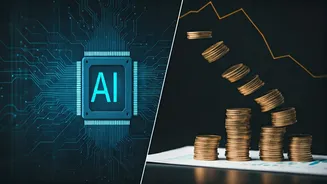









The Digital Natives Embrace AI
Generation Z, born between the mid-1990s and early 2010s, is not just comfortable with technology; they are reshaping the workplace with their intuitive adoption of artificial intelligence. Surveys show that a significant majority of Gen Z employees use
generative AI tools in their daily work. [7] Unlike older generations who might view AI with skepticism, many young professionals see it as a powerful productivity tool. They use it for everything from brainstorming and drafting content to research and data analysis. [3, 23] Some studies indicate that a majority of Gen Z workers believe AI positively impacts their skills, particularly hard skills, and pushes them toward higher-level strategic work. [3] In India, the trend is even more pronounced, with Gen Z showing higher confidence in applying AI at work compared to the global average. [18] Many are actively seeking training to build their AI capabilities, viewing it as a critical component for career progression. [11]
A Generation Weighed Down by Worry
Beneath this tech-forward optimism lies a deep-seated financial anxiety. For the third consecutive year, the high cost of living is the top concern for Gen Z globally. [22] A large percentage report living paycheck to paycheck, a reality that fuels constant stress. [9, 22] This financial strain is so significant that it's forcing many to delay major life milestones like buying a home, getting married, or even moving out of their parents' house. [4, 7] In India, over half of Gen Z have postponed major life decisions due to financial constraints. [18] The primary sources of this stress are widespread: soaring expenses for housing and necessities, job uncertainty, and the feeling of being financially behind their peers. [2, 13] This economic pressure has a tangible impact on mental health, with finances being a primary driver of stress for the generation. [12, 22]
Where Tech Optimism Meets Economic Fear
The relationship between Gen Z's AI readiness and their financial stress is complex and reveals a fundamental tension. On one hand, AI is seen as a tool to get ahead. Many use it to learn about personal finance, create budgets, and even identify investment strategies. [15, 23] Some are leveraging AI to power side hustles, creating multiple income streams to achieve a sense of financial security in an unstable economy. [16] However, this embrace is coupled with significant fear. Nearly half of young employees worry that AI could replace their jobs, with entry-level positions seen as particularly vulnerable. [8, 16] This has led to a notable disconnect; while many use AI, a growing number believe its risks in the workplace outweigh the benefits. [6, 26] This fear of being replaced by someone with better AI skills, or by AI itself, adds another layer of anxiety to their career outlook. [10]
The Indian Context: Ambition Amid Insecurity
In India, home to one of the world's largest Gen Z populations, this paradox is especially sharp. Indian Gen Z are exceptionally optimistic and confident about using AI, with a high percentage integrating it into their work and seeking further training. [18] There's a strong belief that GenAI will improve work-life balance and free them up for more creative tasks. [11] At the same time, they face immense pressure. India's household debt is rising, partly fueled by young consumers borrowing to manage the gap between stagnant wages and the rising cost of living. [29] While many young Indians are proactively investing in mutual funds and SIPs, a large number are also financially vulnerable, often delaying crucial purchases like health insurance. [28] This creates a scenario where a generation is ambitiously planning for wealth creation while simultaneously being just one emergency away from financial instability. [28]