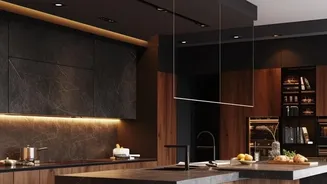




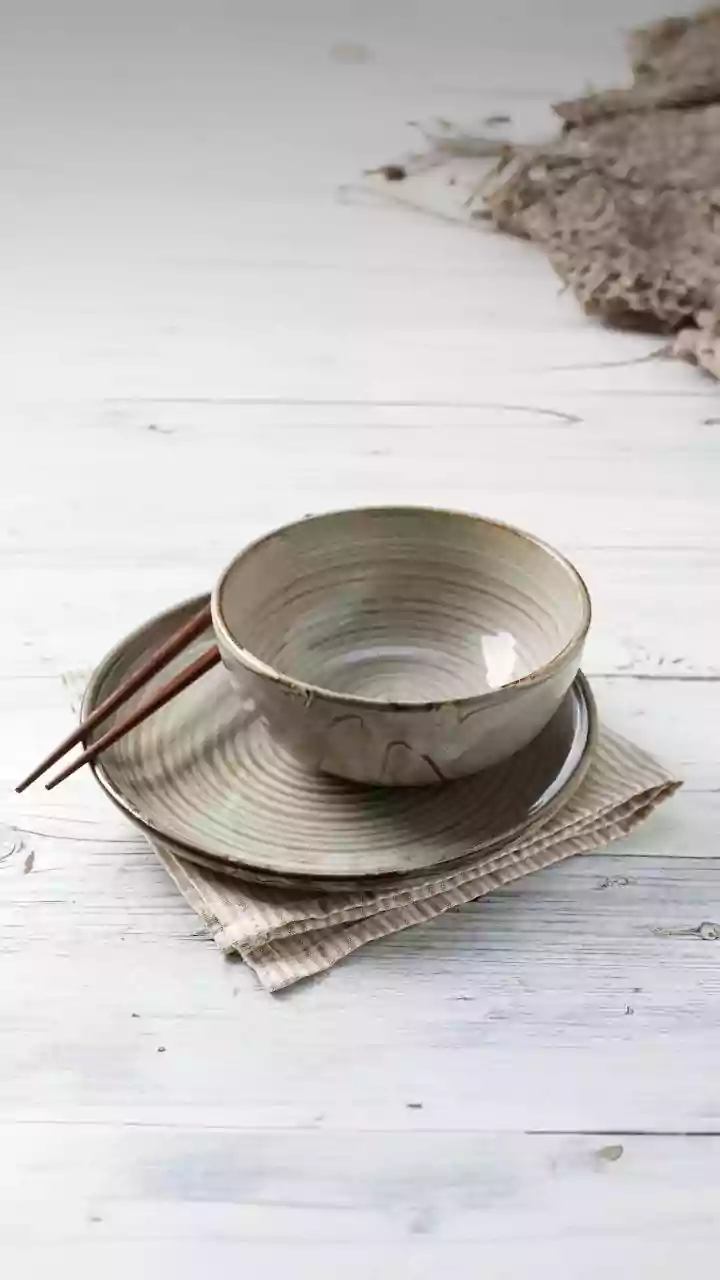

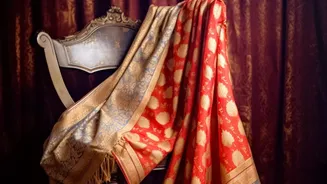

Step inside a modern Indian home today, and you'll likely feel a sense of calm. The secret often lies in the materials: warm wood, textured jute, and earthy terracotta. This shift towards natural decor is more than a trend; it's a lifestyle choice.
A Search for Wellness and Connection
In
the hustle of urban life, many are seeking to create a peaceful sanctuary at home. This has popularised biophilic design—the concept of connecting our living spaces with nature. Studies have shown that incorporating natural elements into our interiors can reduce stress and improve overall well-being. Materials like wood, stone, bamboo, and rattan evoke a sense of warmth and groundedness that synthetic materials often lack. The use of earthy tones like terracotta and olive green further enhances this calming effect, reminding us of soil and foliage and fostering a tranquil atmosphere. This desire for connection is a response to our increasingly digital lives, where the home becomes a vital space to unplug and recharge surrounded by nature's textures and tones.
The Rise of Sustainable and Conscious Living
Sustainability is no longer a niche interest but a foundational value in design. Indian homeowners are increasingly aware of their environmental footprint, leading them to choose materials that are eco-friendly. Natural materials like bamboo, reclaimed wood, jute, and cane are often sustainably sourced, renewable, and biodegradable. This conscious consumerism also extends to health. Many conventional decor materials can release volatile organic compounds (VOCs), contributing to indoor air pollution. In contrast, natural, non-toxic materials help create a healthier indoor environment, as they are breathable and can even help regulate humidity—a significant benefit in India's varied climates.
A Modern Nod to Indian Heritage
The trend also reflects a renewed appreciation for India's rich history of craftsmanship. For centuries, materials like terracotta, brass, cane, and handwoven textiles have been integral to Indian homes. Today, designers and homeowners are reinterpreting these traditional elements for contemporary settings. This isn't about recreating the past, but about blending it with modern aesthetics. A hand-carved wooden cabinet, for example, might be paired with a minimalist sofa, or a brass lamp might illuminate a contemporary artwork. This fusion allows for a home that feels both modern and deeply rooted in cultural identity.
Celebrating Local Artisans and Uniqueness
In an age of mass production, there's a growing desire for decor that tells a story. Natural materials are often linked to local artisanal traditions, from the cane weavers of Assam to the potters of Rajasthan. Choosing handcrafted items—be it a jute rug, a wooden sculpture, or a set of terracotta planters—is a way to support these artisan communities and preserve their skills. Each handmade piece carries the unique touch of its maker, bringing a sense of authenticity and character that factory-made items cannot replicate. This shift away from uniformity allows homeowners to create spaces that are personal, distinctive, and filled with objects that have a soul.
Versatility and Timeless Appeal
Beyond their ethical and wellness benefits, natural materials are incredibly versatile. They can be seamlessly integrated into various design styles, from minimalist and modern to bohemian and eclectic. Materials like rattan and cane are lightweight yet durable, making them suitable for everything from furniture to lighting fixtures and decorative panels. Their neutral, earthy tones provide a perfect canvas that can be layered with vibrant textiles or bold accents. This timeless quality ensures that pieces made from wood, jute, or stone won't quickly fall out of fashion, making them a long-lasting and worthwhile investment for any home.