


Understand Why Storms Are Scary
A dog's fear of thunderstorms, or astraphobia, is about more than just the noise. Dogs are sensitive to changes in barometric pressure and static electricity in the air, meaning they can often feel a storm approaching long before you can. This anticipatory
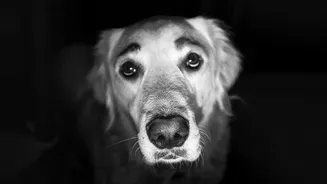
anxiety, combined with the loud, unpredictable sounds of thunder and flashes of lightning, can trigger a very real panic response. In an apartment, these sounds can feel amplified, and with less space, your dog may feel more exposed and trapped. Recognizing the signs—panting, trembling, hiding, pacing, or whining—is the first step toward providing effective comfort.
Create a Cozy Thunder Den
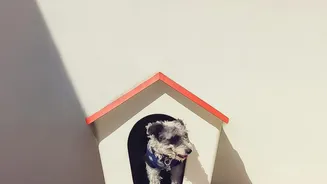
Since you can't offer a basement, create a designated safe haven within your apartment. This could be an interior closet, a bathroom, or even a corner of a room away from windows. The key is to let your dog have a say; notice where they naturally try to hide and fortify that spot. Make it comfortable with their favorite bed or soft blankets. If your dog is crate-trained, their crate can be a perfect den, but always leave the door open so they don't feel trapped. Covering the crate with a blanket can help muffle sound and block out scary lightning flashes, making it an even more secure retreat.
Manage Light and Sound
In a compact apartment, managing the sensory input of a storm is crucial. Close the blinds or use blackout curtains to minimize the visual shock of lightning. To mask the sound of thunder, turn on a television, play calming classical music, or use a white noise machine or a fan. The consistent, predictable sound can help drown out the alarming, intermittent rumbles from outside. Some pet owners find that placing acoustic tiles in the dog's safe space can further dampen noise. The goal is to create a buffer between your dog and the most stressful parts of the storm.
Try Calming Wraps and Aids
Several products are designed to ease canine anxiety. A popular option is a compression wrap, like the ThunderShirt, which applies gentle, constant pressure that can have a calming effect, similar to swaddling an infant. Calming pheromone diffusers or sprays, such as Adaptil, mimic the pheromones mother dogs use to soothe their puppies and can help create a more relaxed environment. There are also calming supplements containing ingredients like L-theanine or melatonin that may help reduce anxiety, but it's essential to discuss these with your veterinarian before use.
Use Positive Distractions
Your own behavior plays a huge role. It’s important to remain calm and act normally, as your dog will take cues from you. While you shouldn't over-console with frantic petting, which can sometimes reinforce fear, you can offer calm reassurance and a welcome distraction. Engage your dog in a quiet game or offer a high-value chew toy or a food puzzle, like a frozen Kong. This can help create a positive association with storm sounds, shifting their focus from fear to a rewarding activity.
When to Talk to Your Vet
If your dog's anxiety is severe—leading to destructive behavior, self-harm, or extreme panic—it's time to consult your veterinarian. They can rule out any underlying medical issues and discuss a more robust behavior modification plan. This might involve counter-conditioning, a training technique to change your dog's emotional response to thunder over time using recordings of storm sounds during calm moments. In some cases, a vet may prescribe anti-anxiety medications to be used before or during a storm to help your dog cope safely.