
Why Monsoon is Magical in Mandu
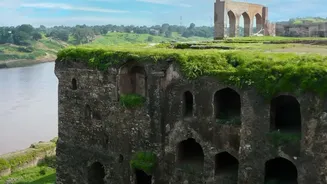
While many destinations shy away during the rains, Mandu embraces the season wholeheartedly. The monsoon transforms the rugged landscape of the Malwa plateau into a vibrant green paradise. The ancient stones of its monuments are washed clean, revealing
their true colours, and the city's many lakes and reservoirs, like Kapur Talao and Munj Talao, fill to the brim. It's a time when history feels palpable, wrapped in the cool, rain-scented air. Even the Mughal emperor Jehangir was so captivated by Mandu's monsoon beauty that he often spent the season here.
Getting There on a Budget
Mandu is conveniently located for a weekend trip from both Indore and Bhopal. The most economical way to travel is by road. From Indore, which is about 100 km away, you can find frequent government and private buses heading to Dhar (35 km from Mandu). From Dhar, local buses and shared taxis complete the journey. A direct bus from Indore to Mandu is also an option, though less frequent. From Bhopal, the journey is longer, around 285-290 km. The most budget-friendly route involves taking a bus or train to Indore and then proceeding to Mandu as described. Taxis are available but will significantly increase your travel costs.
The Must-See Monsoon Palaces
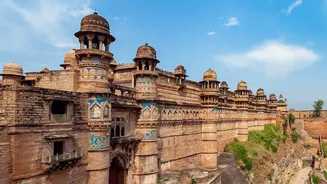
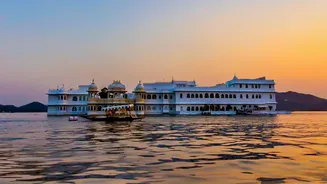
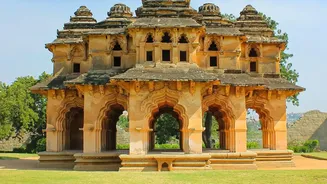
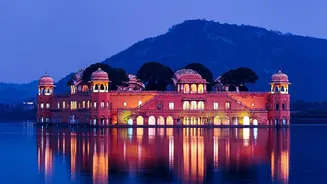
Mandu's architecture is a stunning blend of Pashtun, Mughal, and local styles, best appreciated during the monsoon. Jahaz Mahal (The Ship Palace): This is Mandu's most iconic structure. Built between two artificial lakes, this 120-metre-long palace appears like a majestic ship floating on the water, especially when the lakes are full after the rains. The reflection of its arched pavilions and domed turrets in the water is a sight to behold. Rani Roopmati's Pavilion: Perched on a hilltop, this pavilion offers breathtaking panoramic views of the Narmada river valley below. It was originally an army observation post but is famously known as the retreat of Queen Roopmati. Legend says she would gaze at the sacred Narmada from here every day. The misty monsoon clouds rolling over the valley make this spot truly romantic. Baz Bahadur's Palace: Located near the Rewa Kund reservoir, this 16th-century palace was built for the last independent ruler of Malwa, Baz Bahadur. Its spacious courtyards and high terraces are a fine example of the region's architecture and are deeply connected to the legendary love story of the Sultan and Rani Roopmati. Hindola Mahal (The Swinging Palace): Known for its distinctive sloping walls, which create the illusion of the palace swinging, this was an audience hall. The unique architecture stands out amidst the lush monsoon greenery.
Beyond the Palaces
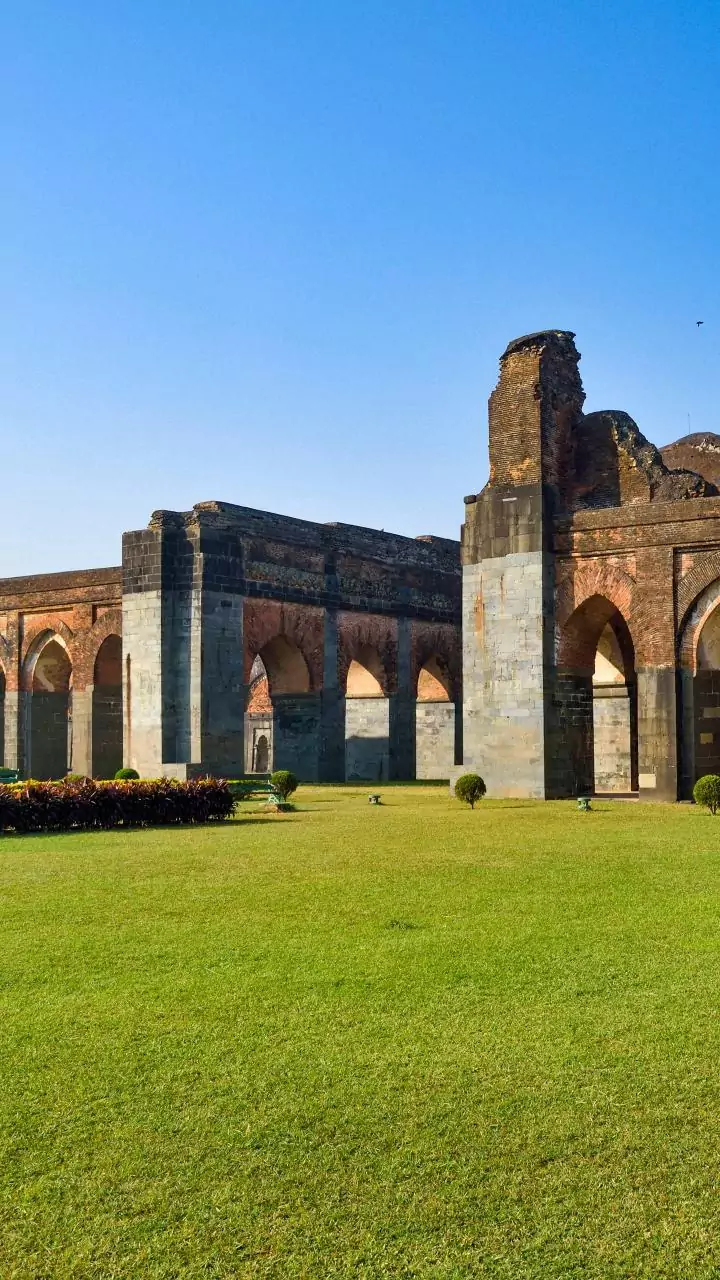
To complete your trip, explore the Jami Masjid, a grand mosque inspired by the Great Mosque of Damascus, with its vast courtyards framed by colonnades. Right next to it is Hoshang Shah's Tomb, a magnificent mausoleum and one of India's first structures to be built entirely of marble, which is said to have inspired the architects of the Taj Mahal. For a moment of quiet reflection, visit Rewa Kund, the reservoir built by Baz Bahadur to supply water to Roopmati's pavilion, now considered a sacred spot.
Budget Stays and Local Food
Mandu offers several budget-friendly accommodation options, including government-run guesthouses, private hotels, and homestays. You can find clean and comfortable rooms without splurging, especially if you book in advance. For food, skip the fancy restaurants and head to local dhabas and street-side stalls. Indulge in local Malwa cuisine, including the famous dal bafla, a regional variation of the popular dal baati. Poha and jalebi are also readily available for a quick and cheap breakfast.
A Sample Two-Day Itinerary
Day 1: Arrive from Indore or Bhopal. Check into your hotel and head straight to the Jahaz Mahal complex. Explore Jahaz Mahal, Hindola Mahal, and the adjacent Taveli Mahal museum. Spend the evening watching the sunset from the Sagar Talao lake. Day 2: Start your day with a trip to Rani Roopmati's Pavilion to catch the morning mist over the Narmada valley. Explore Baz Bahadur's Palace and Rewa Kund. In the afternoon, visit the Jami Masjid and Hoshang Shah's Tomb before starting your journey back.