



The 'Goldilocks Zone' Promise
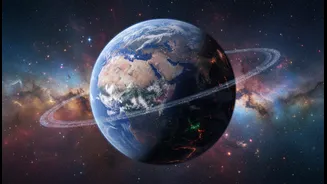
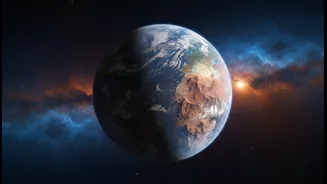
For decades, the simplest filter in our search for alien worlds has been the habitable zone, nicknamed the 'Goldilocks Zone.' This is the orbital range around a star where conditions are just right for liquid water to exist on a planet's surface. Water
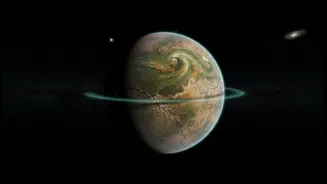
is considered a key ingredient for life as we know it, so finding a planet in this zone is always an exciting first step. The idea is simple and alluring: if a planet has a surface temperature that allows for oceans, rivers, and lakes, then maybe, just maybe, it could host life. Recent discoveries, including the nearby super-Earth GJ 3378b announced in mid-2026, often make headlines for being in this very zone. This planet, about twice the size of Earth and 25 light-years away, gets about 90% of the radiation from its star that Earth gets from the sun, placing it squarely in that promising region.
A Tale of Two Neighbours
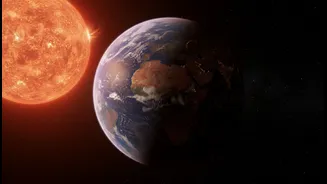
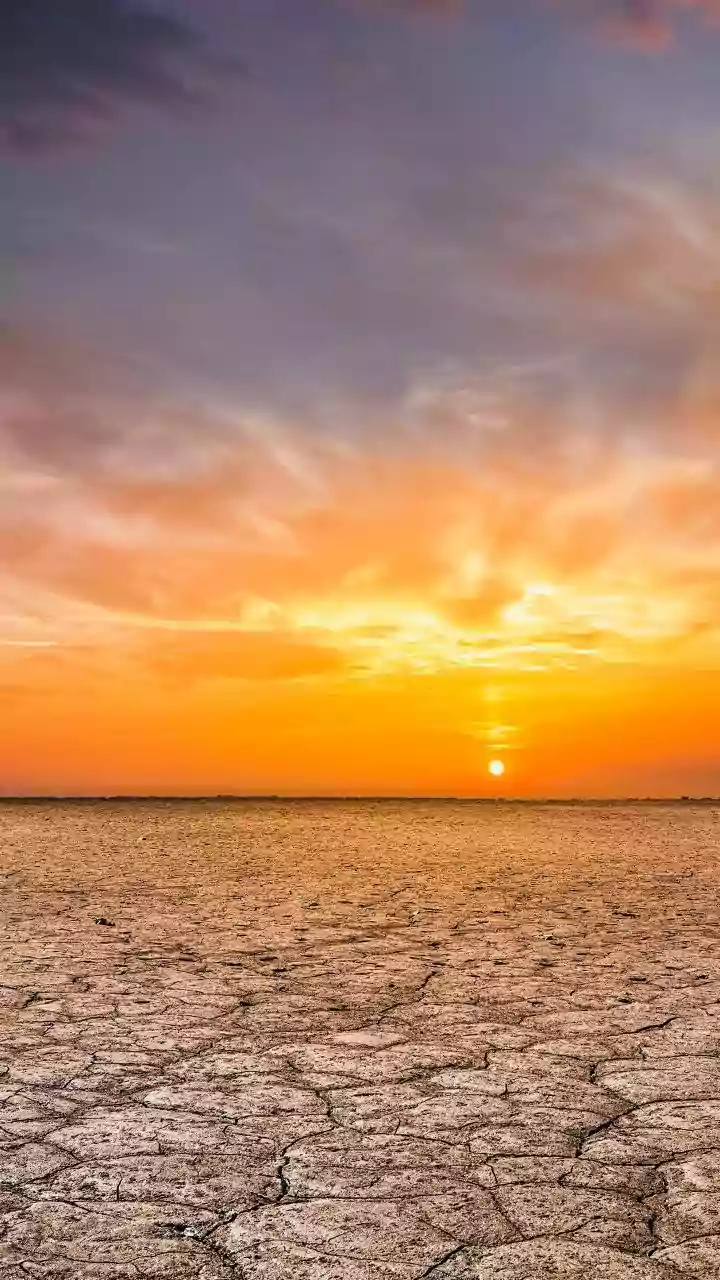
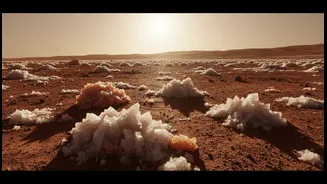
However, we don't need to look light-years away to see the flaws in this simple model; we can just look next door in our own solar system. Both Venus and Mars offer powerful lessons. Venus orbits near the inner edge of our sun's habitable zone, but its surface is a crushing, 465°C inferno. A runaway greenhouse effect, caused by a thick, toxic atmosphere of carbon dioxide, boiled away any water it might have once had. Mars, on the other hand, orbits on the colder, outer edge of the habitable zone. Evidence suggests it once had rivers and lakes, but its thin atmosphere couldn't hold onto its heat, leaving it a frozen, desert world today. Both planets are in or near the 'right' location, but they are definitively not habitable. This proves that a planet's address is only a tiny part of the story.
It's What's on the Inside (and Outside)
True habitability depends on a complex cocktail of factors far beyond just temperature. A planet needs a substantial atmosphere to maintain surface pressure, allowing water to remain liquid and shielding the surface from harmful radiation. The composition of that atmosphere is also critical. Earth’s nitrogen-heavy atmosphere provides the necessary pressure, while greenhouse gases keep it warm. Furthermore, a planet needs a molten core to generate a magnetic field. This invisible shield protects the atmosphere from being stripped away by the solar wind—the constant stream of charged particles flowing from its star. Without our magnetic field, Earth would likely look a lot more like Mars. These planetary characteristics are just as important, if not more so, than simply orbiting in the habitable zone.
The Temperament of a Star
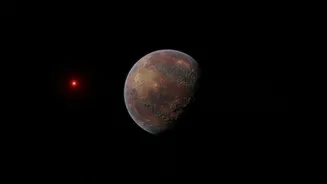
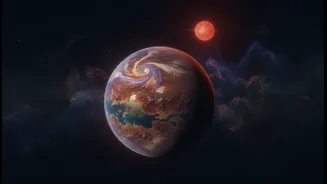
A planet's parent star also plays a huge role. Many potentially habitable exoplanets, including GJ 3378b and the famous TRAPPIST-1 worlds, orbit red dwarf stars. These stars are smaller and cooler than our sun, meaning their habitable zones are much closer in. While this makes them easier to find, red dwarfs are notoriously tempestuous, especially in their youth. They can unleash powerful stellar flares, blasting their nearby planets with high-energy radiation that can erode atmospheres and make surface conditions hostile to life. The planet Proxima Centauri b, our closest exoplanet neighbour, sits in its star's habitable zone but is likely bombarded by stellar winds thousands of times more intense than what Earth experiences. Whether a planet like GJ 3378b can hold onto its atmosphere in such an environment is the critical, unanswered question.