





Understanding the Enemy Below
Root rot is precisely what it sounds like: the decay of a plant's roots. This typically happens when soil becomes waterlogged, either from heavy rainfall or over-enthusiastic watering. When the soil is saturated, it lacks the air pockets that roots need
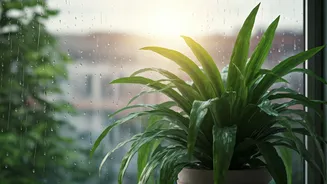
to breathe. This oxygen starvation causes the roots to die and decompose. The problem is often made worse by fungi and bacteria that thrive in these damp, anaerobic conditions and attack the weakened roots, accelerating the decay. The monsoon season is particularly dangerous because the constant rain, high humidity, and reduced sunlight mean soil stays wet for much longer, creating a perfect breeding ground for this disease.
Spotting the Warning Signs
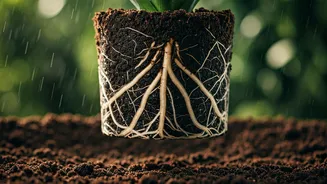
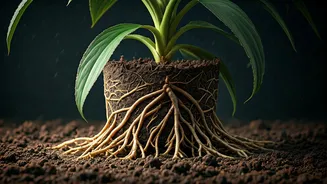
Because the damage starts underground, the first visible signs of root rot often appear only after the problem is advanced. A classic and confusing symptom is a plant that looks wilted or droopy even though the soil is moist. This happens because the rotting roots can no longer absorb water effectively. Other tell-tale signs include yellowing or pale leaves (especially lower ones), stunted growth, and rapid leaf drop. In some cases, you might notice a foul, swampy, or sour smell coming from the soil, which is a clear indicator of decay. To be certain, you must inspect the roots themselves. Healthy roots are typically firm and white or light tan. Roots affected by rot will be brown or black, feel soft and mushy, and may even fall apart when you touch them.
Prevention Is Your Best Defence
The best way to fight root rot is to prevent it from ever starting. The single most important factor is proper drainage. Ensure every pot has drainage holes to allow excess water to escape freely. During the monsoon, it's wise to lift your pots off the ground using pot feet or bricks; this prevents the drainage holes from getting blocked and improves air circulation. Avoid using decorative outer pots without drainage holes, as they can trap water. Adjust your watering schedule significantly; with high humidity and rain, your plants will need far less water than in the dry season. Always check the soil before watering—if the top few inches feel damp, hold off.
The Right Foundation: Pots and Soil
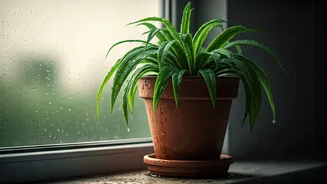
The pot and soil you choose play a crucial role in preventing waterlogging. Porous pots like those made from terracotta can help soil dry out faster. If you're an avid balcony gardener, consider using grow bags, as their breathable fabric allows excess moisture to escape from the sides, drastically reducing the risk of root rot. The soil itself should be a well-draining mix. Avoid heavy, dense garden soil that compacts easily. Instead, use a good quality potting mix and improve its drainage by adding materials like perlite, coarse sand, or coco coir. This creates a lighter, airier medium where roots can breathe. It's a common myth that adding a layer of gravel at the bottom of a pot improves drainage; in reality, it can create a water table that keeps the roots even wetter.
Emergency Rescue: Treating an Infected Plant
If you suspect root rot, you must act fast. Gently remove the plant from its pot and wash away the soil to get a clear look at the root system. Using a clean, sterilised pair of scissors or pruning shears, carefully trim away all the brown, mushy, and rotten roots. Be thorough, as any remaining infected tissue can cause the rot to return. If you have to remove a significant portion of the roots, you should also prune back about one-third of the plant's leaves. This helps balance the plant, as the reduced root system can only support a smaller amount of foliage. After pruning, you can treat the remaining healthy roots with a fungicide solution to kill off any lingering pathogens. Finally, repot the plant in a clean pot with fresh, well-draining potting mix. Do not reuse the old soil, as it is contaminated.