
What is the Shukrayaan Mission?
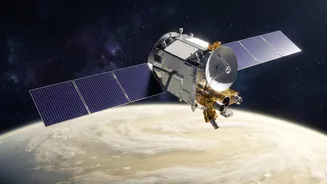
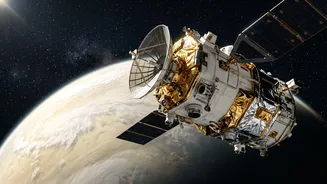
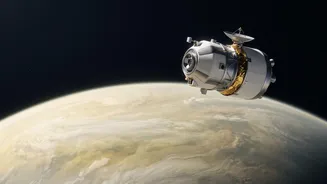
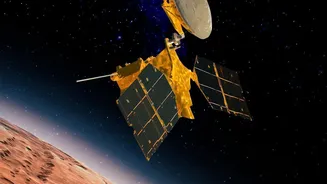
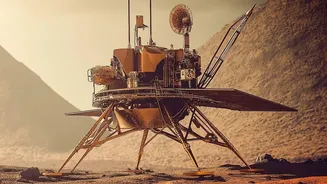
Shukrayaan, officially the Venus Orbiter Mission (VOM), is India's next great interplanetary leap. Following the stunning successes of Mangalyaan (Mars Orbiter Mission) and Chandrayaan (Moon missions), ISRO is developing a sophisticated orbiter designed
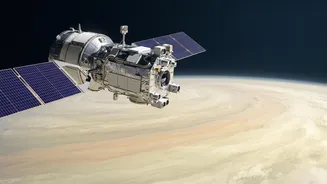
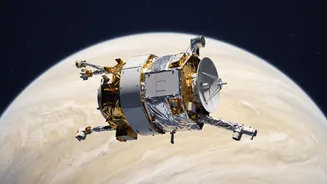
to conduct a comprehensive study of Venus. Formally approved by the Indian government in September 2024, the mission is now in a developed stage, with a scheduled launch date of March 29, 2028. The spacecraft, weighing around 2,500 kg, will be launched aboard the powerful LVM-3 rocket. It will carry a 100 kg suite of scientific instruments to investigate the planet over a planned four-year period from orbit. The mission aims to unravel why Venus, a planet so similar to Earth in size and origin, evolved into a hellish world with a crushing atmosphere and lead-melting surface temperatures.
Venus: Earth's Hostile Twin
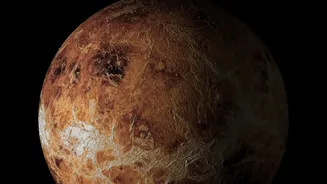
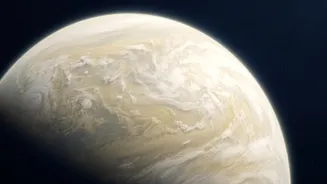
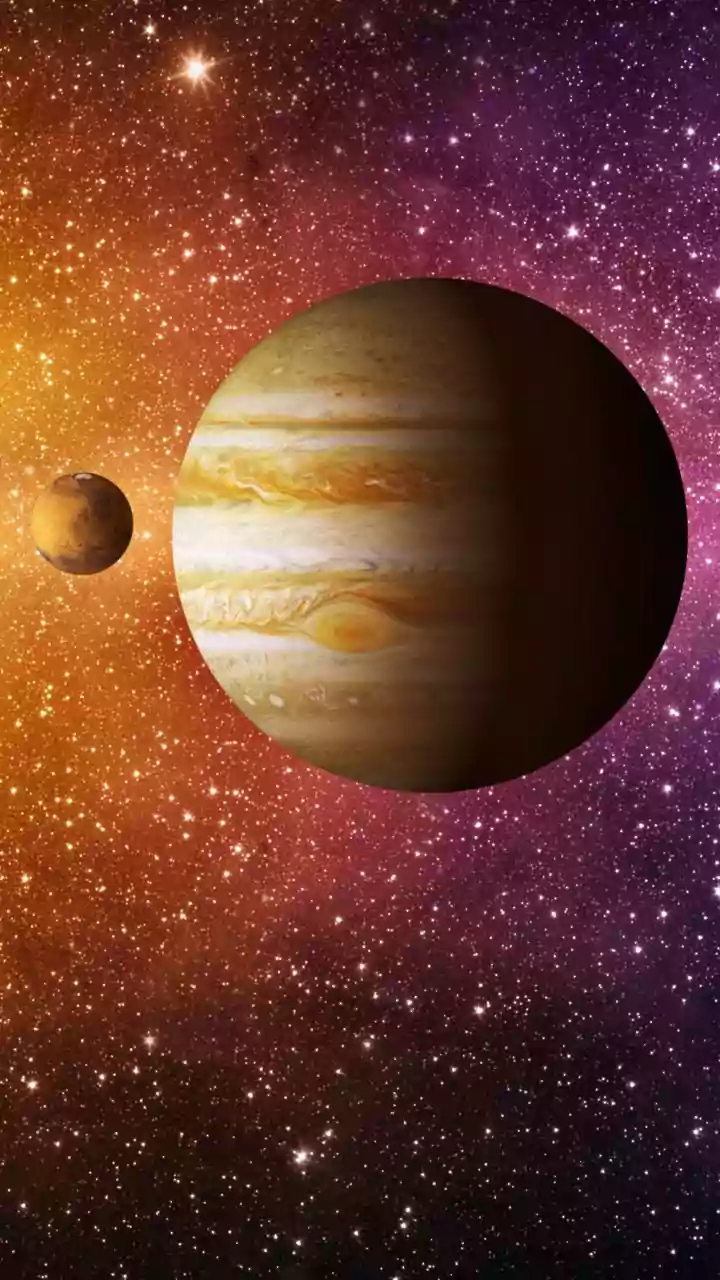
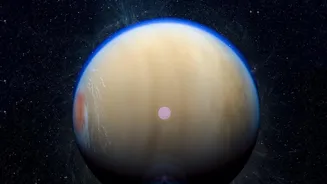
Scientists call Venus 'Earth's twin' for a reason. Both planets are of similar size, mass, and density, and are thought to have formed under similar conditions billions of years ago. But the similarities end there. Today, Venus is the most inhospitable planet in our solar system. Its surface temperature averages a scorching 460 degrees Celsius, hotter than Mercury, and the atmospheric pressure is over 90 times that of Earth's at sea level. The planet is perpetually shrouded in thick clouds of sulfuric acid that race around the planet in a 'super-rotation,' completing a lap in just a few Earth days. This dense blanket of carbon dioxide has created a runaway greenhouse effect, trapping heat and boiling away any ancient oceans. Understanding how and why Venus's climate diverged so dramatically is a key scientific goal, offering crucial insights into planetary evolution and climate change models here on Earth.
Peering Below the Impenetrable Clouds
The greatest challenge in studying Venus is its opaque cloud cover, which makes it impossible to view the surface with conventional optical telescopes. Previous missions have used radar to map surface features, but much of what happens in the lower atmosphere, between the cloud tops and the ground, remains a mystery. This is the scientific frontier Shukrayaan's new sensors are designed to explore. The mission will carry a high-resolution Synthetic Aperture Radar (SAR) capable of piercing through the clouds to map the surface in greater detail than ever before. More importantly, a suite of atmospheric instruments will analyze the chemical composition, dynamics, and temperature variations at different altitudes, aiming to build the first truly three-dimensional picture of the Venusian atmosphere.
A Toolkit for Unlocking Secrets
The mission will carry approximately 19 scientific instruments, with 16 developed in India and others through international collaborations with agencies in Sweden, Russia, and Germany. This payload includes thermal cameras to track volcanic hotspots and cloud structure, and various spectrometers to analyze atmospheric gases. One key area of investigation will be the interaction between the solar wind and the planet's ionosphere, for which Sweden is providing a specialised sensor. Another groundbreaking instrument is a ground-penetrating radar, which would be the first of its kind to study the subsurface geology of Venus, searching for clues about its volcanic history and internal structure. This combined toolkit will provide a holistic view, from the upper atmosphere down to several metres below the surface.
India's Next Chapter in Space Exploration
The Shukrayaan mission solidifies India's position as a major player in planetary science. It builds on the legacy of cost-effective, high-impact missions like Mangalyaan and the Chandrayaan series. For ISRO, it presents new technological challenges, such as using aerobraking for the first time—a technique where the spacecraft skims the upper atmosphere to adjust its orbit and conserve fuel. For India and the global scientific community, the mission promises a treasure trove of data that could answer fundamental questions about how terrestrial planets form and evolve. As part of a new wave of international missions heading to Venus around the same time, Shukrayaan ensures that Indian scientists will be at the forefront of the next era of discoveries.