




What Is a Reach-Based System?
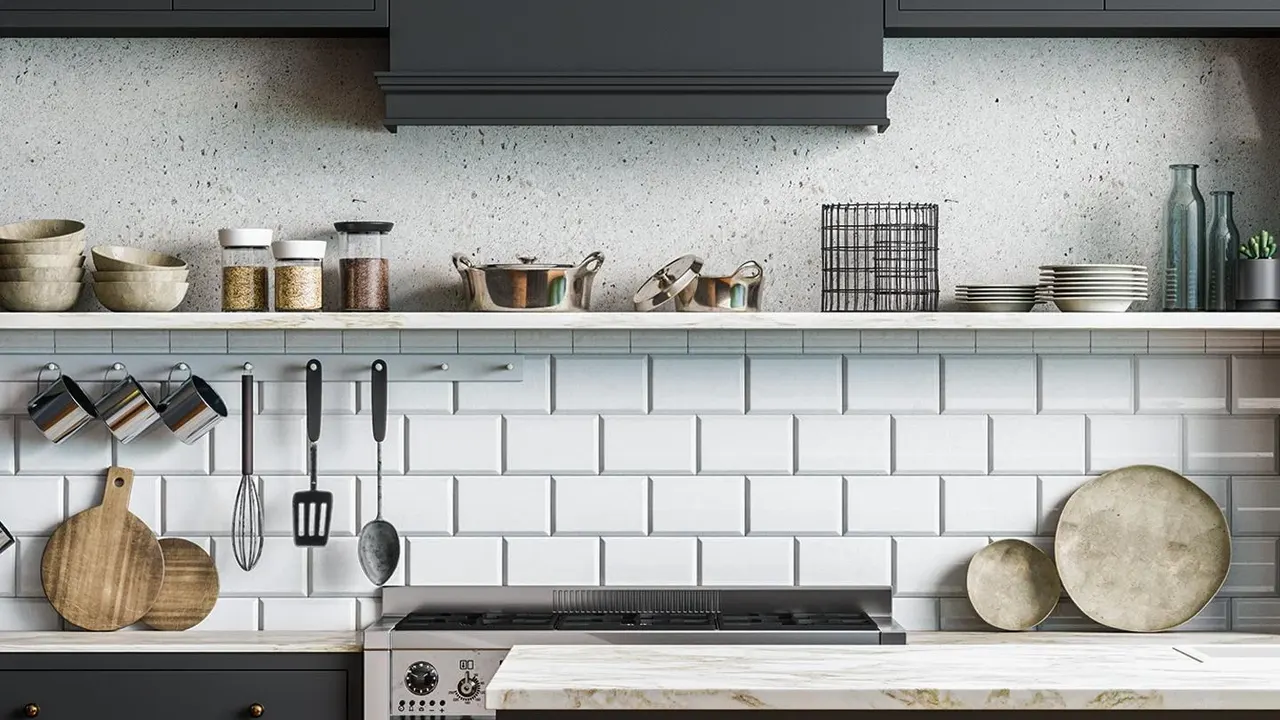
A reach-based organization system is a simple but powerful concept: store items based on how often they are needed, not just by category or owner. The most frequently used belongings are placed in the most accessible locations — what professionals call
'prime real estate'. Items used less often are stored in less convenient spots. In a shared space, this ergonomic approach prioritizes function over arbitrary rules, ensuring that daily-use items are easy for everyone to grab and, just as importantly, easy to put away. This dramatically reduces the friction and mess that build up when people have to dig through clutter to find what they need.
Why Access Trumps Everything
The core principle of this system is that easy access promotes tidiness. When a child’s favourite books are on a low, forward-facing shelf they can reach themselves, they are more likely to pick one up and put it back. When shared stationery in a home office is in a labeled drawer at arm’s length, no one needs to rummage through someone else's desk to find a pen. This method minimizes daily disruptions and territorial disputes. It shifts the focus from 'whose is this?' to 'where does this live for maximum efficiency?'. By designing the room around natural human movement and frequency of use, you create an environment that helps maintain order on its own.
Step 1: Conduct an Accessibility Audit
Before moving a single item, observe how the room is actually used for a few days. Who needs what, and when? Take note of the items that are constantly out because they’re a hassle to put away. Identify the high-traffic zones and the 'prime real estate' in the room. For adults, this is typically shelving and drawer space between waist and shoulder height. For small children, it's anything at their eye level and below. This audit will give you a clear map of what needs to be most accessible. Don't guess; watch and learn from the existing patterns of use and clutter.
Step 2: Zone Your Space by Frequency
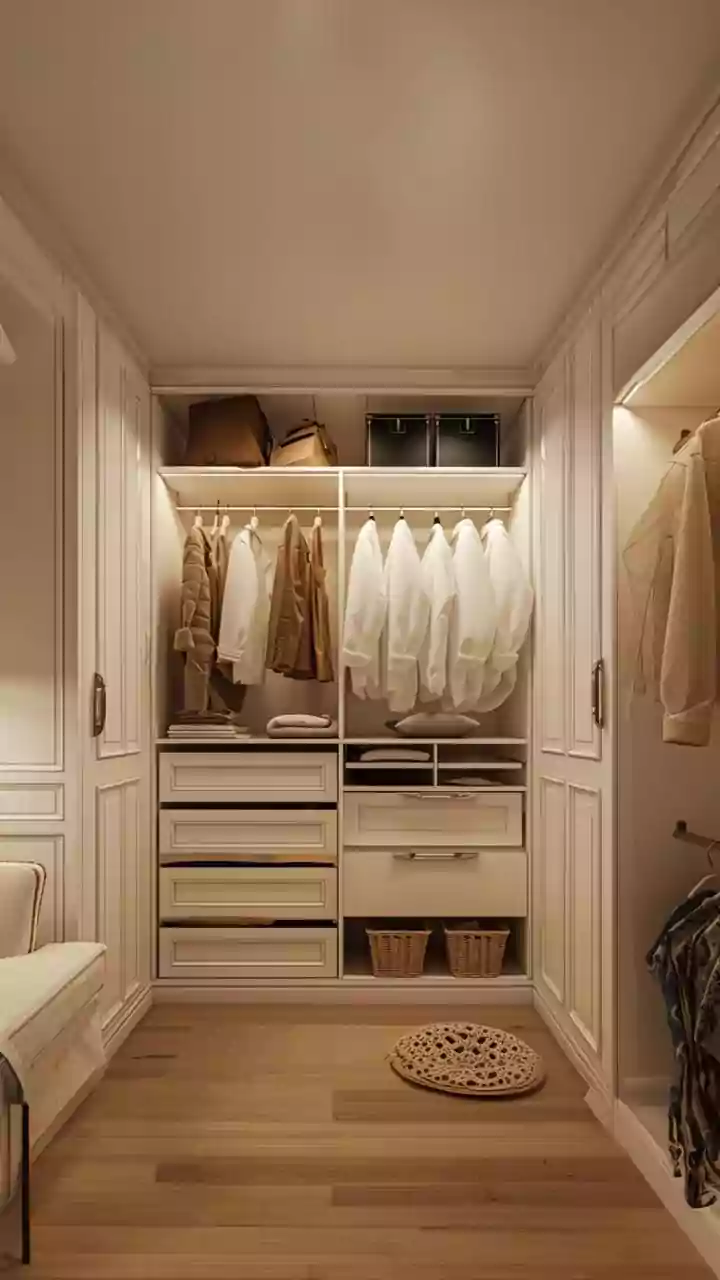
With your audit complete, begin creating zones. The easiest-to-reach shelves, cubbies, and drawers are for daily essentials. Mid-tier storage — such as higher shelves or the back of a closet — is for weekly items. The least accessible spots, like the very top shelves or under-bed storage bins, are perfect for seasonal items, keepsakes, or things used only a few times a year. Within these zones, you can still assign ownership. For example, in a shared kids' closet, each child gets a designated, easy-to-reach basket for their school uniform and another for daily-wear clothes, while fancy dress costumes used rarely can be stored together on a high shelf.
Putting It Into Practice: The Shared Kids' Room
A shared children's bedroom is the ultimate test. Apply the reach-based system here for immediate results. Use low, open bins or cube storage for the toys they play with every day. This makes cleanup a simple matter of tossing items in. Art supplies used on weekends can go in a caddy on a desk or a slightly higher shelf. Books can be organized on wall-mounted rail shelves that display their covers, making them inviting and easy for little hands to manage. By making the most-loved items the easiest to access and tidy, you empower children to help maintain their own space.
Applying the System to Other Shared Spaces
This logic extends beyond just kids. In a shared home office, frequently used supplies like printer paper and universal chargers should be in a central, easily accessible spot. Project-specific files for each person can be kept in their individual, but still reachable, desk drawers. In a multi-generational household, the living room can be zoned so that daily items for each family member (a grandparent's reading glasses, a teen's gaming controller) have a designated, easy-to-reach home. The goal is always the same: reduce the effort required to find and store the things you use most often.