


A Nutritional Powerhouse
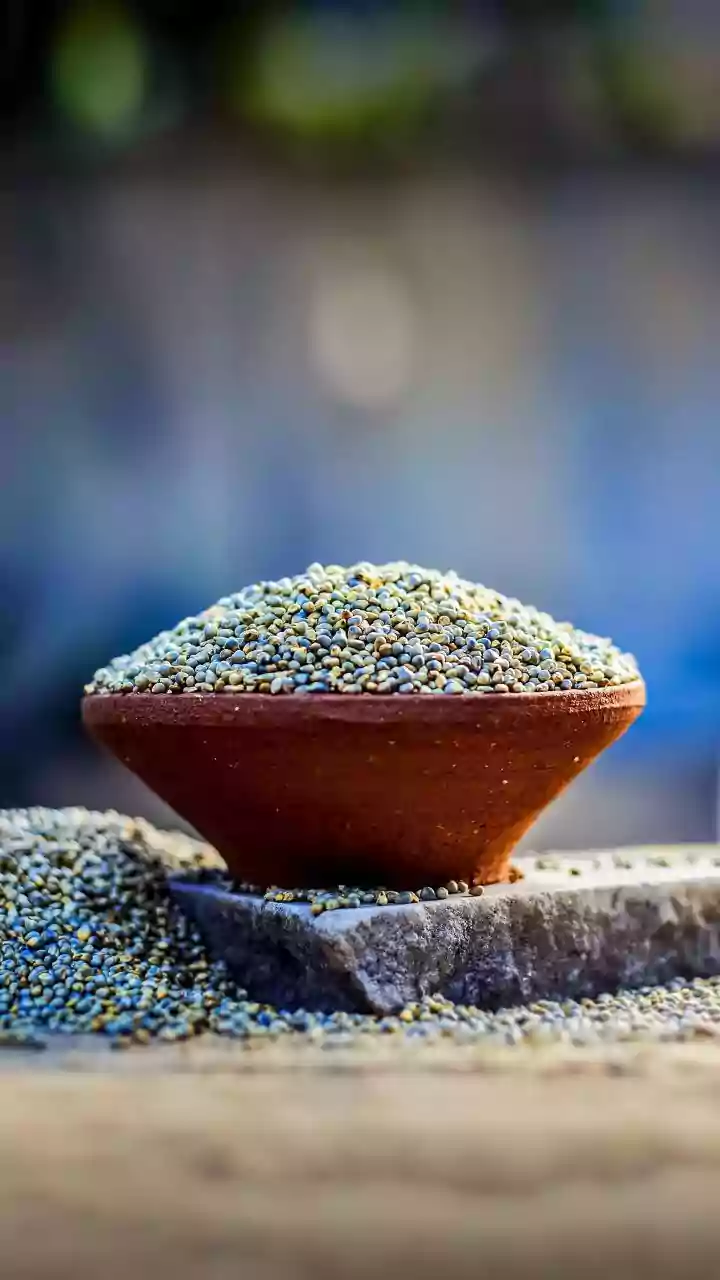
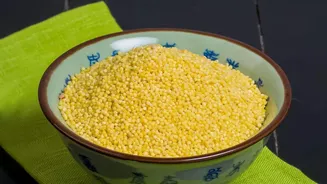
The primary driver behind this trend is a collective shift towards healthier eating. Urban consumers are increasingly aware of what they eat, seeking out foods that are not just tasty but also nutritionally dense. Millets like ragi and jowar fit this demand
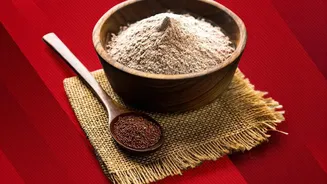
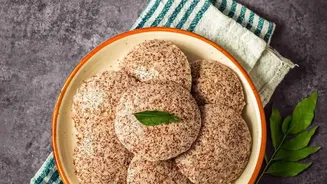
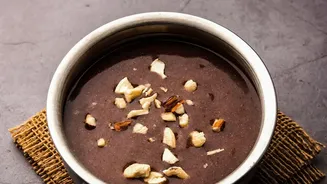
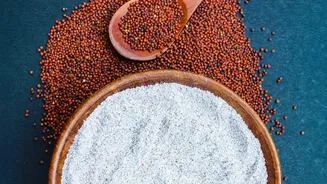
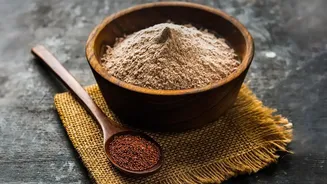
perfectly. Ragi, or finger millet, is a calcium king, boasting significantly more calcium than rice or wheat, which is crucial for bone health. It's also rich in iron and amino acids. Jowar, also known as sorghum, is a gluten-free grain packed with dietary fibre, protein, and antioxidants. This makes it excellent for improving digestion, managing blood sugar levels, and supporting weight management by keeping you feeling full for longer. For a growing number of people dealing with gluten sensitivities or lifestyle diseases, these grains offer a wholesome and safe alternative to refined flour.
From Humble Staple to Gourmet Ingredient
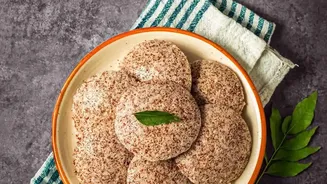
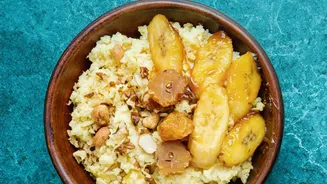
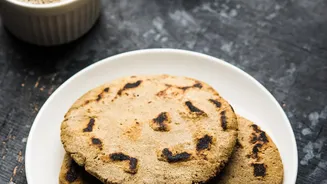
For centuries, millets were the staple food in many parts of rural India, often dismissed by urban populations as the diet of the poor. The Green Revolution in the mid-20th century prioritized high-yield crops like wheat and rice, pushing these traditional grains to the margins. However, a cultural shift is underway. Chefs and artisan bakers are now looking back at this culinary heritage, not as a limitation, but as a source of inspiration. They are reimagining these humble grains, once used for simple rotis and porridge, as the foundation for sophisticated baked goods. This move is also supported by a larger push, with initiatives like the UN's International Year of Millets in 2023, championed by India, helping to rebrand these grains as 'nutri-cereals' and restore their pride of place in the Indian diet.
The Art and Science of Millet Baking
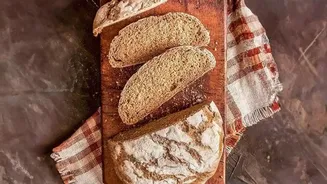
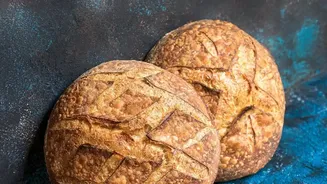
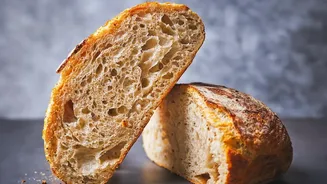
Baking with millet flours is not a simple one-to-one substitution for wheat. Grains like ragi and jowar are gluten-free, which means they lack the protein that gives conventional bread its structure and chewiness. This presents a creative challenge that modern bakers are eagerly tackling. They are developing new techniques and recipes, often blending millet flours with other flours like almond or oat to achieve a softer texture. To bind the dough and prevent it from becoming crumbly, bakers use natural binding agents such as flaxseed, yoghurt, or mashed bananas. Since millets absorb a lot of moisture, bakers have learned to add extra liquids or moist ingredients to prevent the final product from being dry. The result is a new wave of delicious and innovative products: ragi brownies, jowar sourdough bread, millet-based cakes, and savoury crackers that are finding a loyal audience.
Sustainability and Food Security
Beyond the health benefits and culinary innovation, there is a powerful environmental argument for the resurgence of millets. These grains are known as climate-smart crops. They are incredibly resilient, drought-resistant, and can grow in harsh environments with less fertile soil, requiring significantly less water than rice and wheat. In an era of increasing climate uncertainty and water scarcity, cultivating millets supports more sustainable agricultural practices and enhances food security. By choosing a ragi cookie or a jowar loaf, urban consumers are not just making a healthy choice for themselves; they are also participating in a food movement that supports small-scale farmers and promotes a more resilient food system for the future.