



Why Every Student Needs a Green Roommate
Before we dive into our top two plant picks, let's talk about why you should even consider one. Beyond just looking good on a desk or windowsill, studies have shown that being around plants can genuinely improve your well-being. Research suggests that indoor
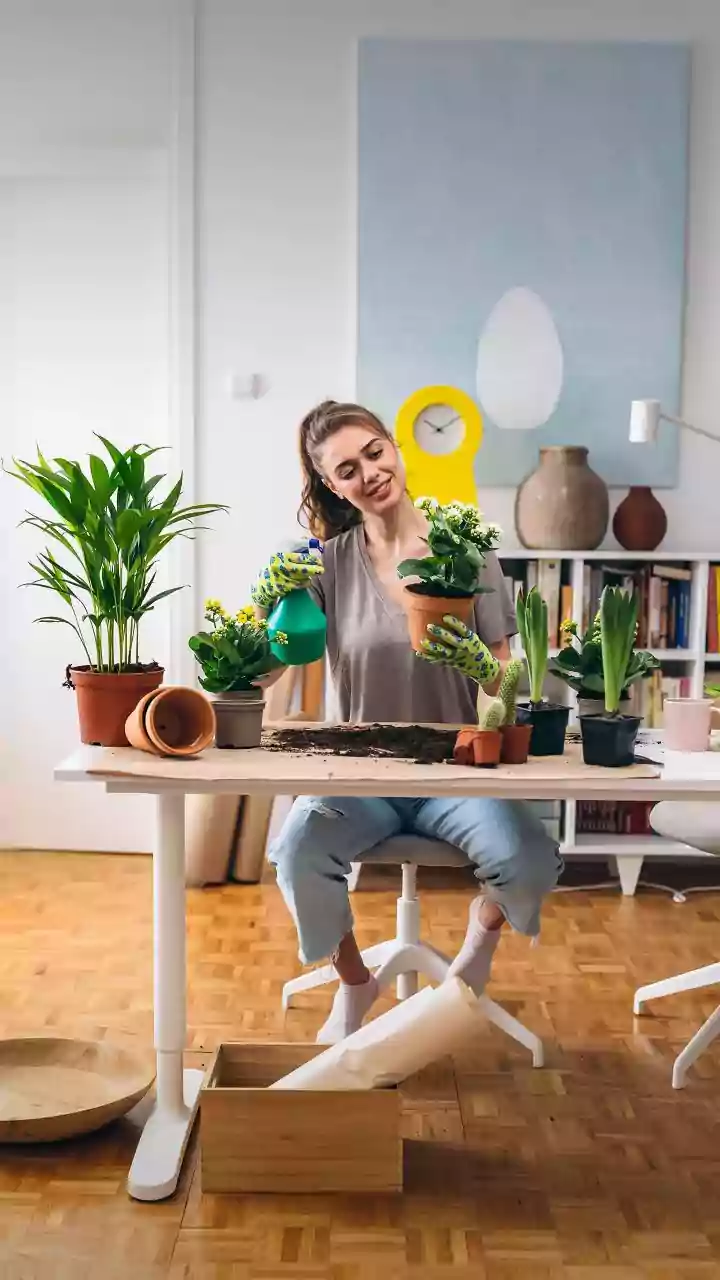
plants can help reduce stress and anxiety, which is a huge plus during exam season. Some studies have even found that having plants in a learning environment can boost concentration, memory, and productivity. For students trying to absorb dense material, any little boost to focus helps. A plant can make a sterile dorm room or a cramped flat feel more like a home, adding a touch of nature and a sense of calm to an otherwise hectic academic life.
Meet the Snake Plant: The Survivor
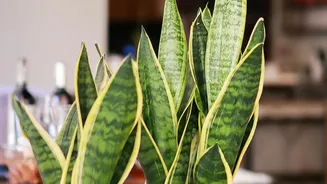
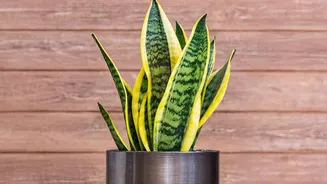
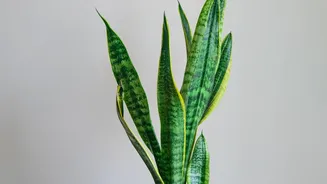
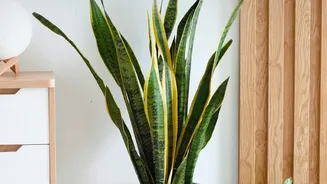
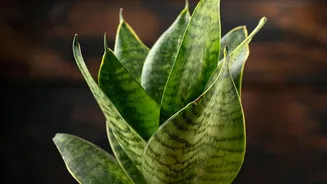
The Snake Plant, also known as Sansevieria or 'mother-in-law's tongue', is the definition of a tough, low-maintenance plant. Its stiff, upright leaves give it a modern, architectural look that fits perfectly in small corners without taking up much space. This plant is ideal for students because it is incredibly forgiving. Forget to water it for a couple of weeks? No problem. It's drought-tolerant and prone to root rot only if you overwater it. The best strategy is to let the soil dry out completely between waterings. It also tolerates a wide range of light conditions, from low light to bright, indirect sunlight, making it suitable for almost any room, regardless of how many windows you have. Its vertical growth habit means it won't crowd your precious desk space.
Meet the Pothos: The Easy-Going Vine
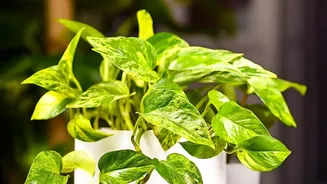
Often called Devil's Ivy or Money Plant, Pothos is another champion of the easy-care world. With its heart-shaped leaves and trailing vines, it adds a lush, cascading feel to any space. You can place it on a high shelf, in a hanging basket, or let it drape over the side of your bookshelf. Like the Snake Plant, Pothos is not fussy. It thrives in various light conditions, from low to bright indirect light, and can handle occasional neglect. It's also a fast grower, which can be very rewarding for new plant parents. One of the best parts about Pothos is how easy it is to propagate. Simply snip off a piece of vine, place it in a jar of water, and in a few weeks, you'll have a new plant to share with a friend.
The Air-Purifying Claim: What's the Real Deal?
You've likely heard that both Snake Plants and Pothos are amazing air purifiers. This claim stems from a famous 1989 NASA study which found that certain houseplants could remove volatile organic compounds (VOCs) like formaldehyde and benzene from the air in a sealed chamber. And it's true—both plants were part of this research and showed they could absorb these toxins. However, it is important to manage expectations. The NASA experiments were conducted in small, sealed environments, not in a typical student room with open doors and windows. More recent analysis has shown that you would need an enormous number of plants—perhaps hundreds in a single room—to significantly impact air quality in a real-world setting. So, while your plant is technically cleaning the air, its effect is minimal. Think of the air purification as a small, pleasant bonus rather than the main benefit. The biggest impact these plants will have is on your mood, focus, and the overall aesthetic of your space.
Which Plant is Right for Your Space?
Choosing between a Snake Plant and a Pothos really comes down to personal preference and the space you have. If you want a plant with a strong, vertical presence that can be tucked into a corner and largely forgotten, the Snake Plant is your best bet. Its upright form is perfect for tight spaces. If you love the look of trailing vines and want something that can decorate a shelf or a hanging planter, go for the Pothos. Pothos is generally considered slightly more forgiving for absolute beginners as it can recover quickly from neglect. Both are fantastic, resilient options that will thrive even with a busy student's schedule. You truly can't go wrong with either.