




The Story Below the Soil
While we fixate on leaves and flowers, the real action is happening underground. A plant's root system is its foundation, responsible for absorbing water and nutrients, anchoring the plant, and storing energy. Above-ground problems like yellowing leaves or wilting
are often just symptoms of an issue that started with the roots. That's why repotting is such a crucial moment. It’s your one chance to get a clear look at this hidden world and diagnose problems before they become irreversible. Think of it as a wellness visit for your green companion.
Healthy Roots: What to Look For
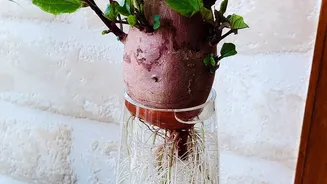
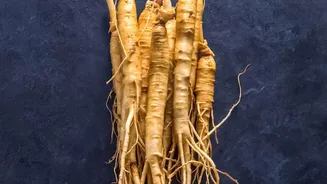
When you gently slide your plant from its pot, you want to see a system of firm, pliable roots. The ideal colour is typically off-white, cream, or a pale tan. Some older, woodier plants may have naturally light brown roots, which is perfectly normal. The key is the texture and smell. Healthy roots should feel firm and fleshy, not mushy or brittle. If you tug one gently, it should have some resistance. The soil and roots should have a fresh, earthy scent, like a forest after rainfall. This clean smell is a sign of a healthy, functioning ecosystem below the surface.
Red Flag: Brown, Black, and Mushy
The most common and dangerous problem you'll encounter is root rot. The signs are unmistakable: roots that are brown or black, feel soft and mushy, and may even fall apart in your hands. Sometimes, the outer layer of the root will slide right off, leaving a stringy core behind. Another major clue is the smell. If you're hit with a foul, sour, or swampy odor, that's a clear indicator of decay. Root rot is caused by overwatering, which suffocates the roots by cutting off their oxygen supply and creates a breeding ground for fungi and bacteria. A plant with root rot may look wilted or thirsty, even though the soil is wet.
First Aid for Rotting Roots
If you discover root rot, don't panic. If there are still some healthy, firm roots left, the plant can often be saved. First, gently rinse away all the old, contaminated soil to get a clear view. Using a pair of clean, sterilized scissors or pruners, carefully trim away every single brown, black, or mushy root. Be ruthless; any diseased root left behind can cause the rot to spread. Once only firm, light-coloured roots remain, you're ready to repot. Never reuse the old pot or soil without thoroughly sterilizing them. Plant the trimmed root ball in a new pot with fresh, well-draining potting mix. It's also wise to choose a pot that is not much larger than the remaining root system to avoid excess soil that stays wet.
Dry, Brittle, or Tightly Coiled
Root rot isn't the only issue. You might find that the roots are dry, brittle, and crispy. This is a sign of chronic underwatering. The plant has been left thirsty for too long, and the roots have started to die back from dehydration. Another common sight is a root-bound plant, where the roots have completely filled the pot and begun to circle tightly, forming a dense, tangled mat. This restricts the plant's ability to absorb water and nutrients and will eventually stunt its growth. To fix a root-bound plant, gently tease and massage the root ball to loosen the coiled roots. If they are extremely compacted, you can make a few shallow vertical cuts into the sides of the root ball with a clean knife to encourage new outward growth after repotting.