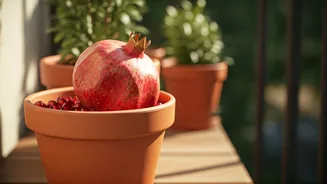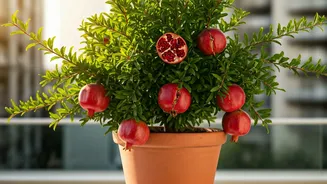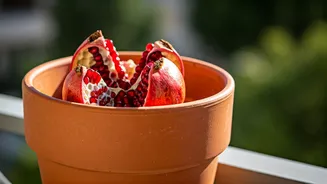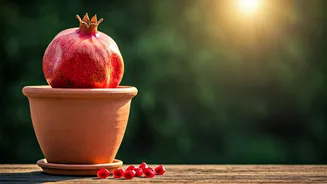





Why Grow a Pomegranate in a Pot?
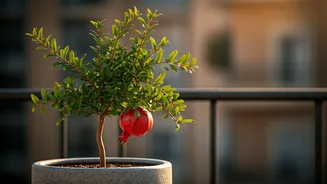
Aside from the obvious reward of harvesting your own delicious, antioxidant-rich fruit, potted pomegranates are fantastic ornamental plants. They boast glossy green leaves, a naturally compact growth habit, and stunning, trumpet-shaped orange-red flowers
that attract pollinators. For those in cooler climates, container growing has a massive advantage: portability. You can move your plant indoors to protect it from harsh winter weather, making it possible to grow this sun-loving tree almost anywhere. They are also self-pollinating, meaning you only need one plant to get fruit.
Choose Your Pomegranate Player
While standard pomegranate trees can grow quite large, the key to container success is choosing the right variety. Look for dwarf or compact cultivars specifically suited for pots. The 'Nana' variety is a popular choice, known as a true dwarf that is often used for bonsai and produces small, edible fruits. Other excellent options for containers include 'Red Silk', 'Parfianka', and 'Wonderful', which are known for staying a manageable size while still producing delicious, high-quality fruit. Starting with a healthy sapling from a nursery is generally easier and faster than growing from seed.
The Perfect Potting Setup
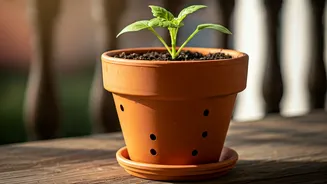
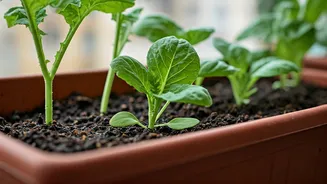
Pomegranates need room for their roots to expand. Start with a large container, at least 10 gallons (about 40-50 cm wide and deep), to give your tree a solid foundation. Excellent drainage is non-negotiable to prevent root rot, so ensure your pot has plenty of drainage holes. Do not use soil from your garden; instead, opt for a high-quality, well-draining potting mix. A mix designed for citrus or fruit trees, often containing compost, peat moss, and materials like perlite or sand for aeration, is ideal. Placing a layer of mulch on top of the soil can help retain moisture.
Sun, Water, and Food
Pomegranates are sun worshippers. For your tree to thrive and produce fruit, it needs at least six to eight hours of direct sunlight every day. A south-facing balcony or the sunniest spot on your terrace is perfect. When it comes to watering, the goal is to keep the soil moist but not waterlogged. A good rule is to water deeply whenever the top 2-3 inches of soil feel dry. This might mean watering every few days in peak summer. Fertilise your tree to support its growth and fruiting. A balanced 10-10-10 fertiliser applied in spring and mid-summer is a good strategy. During the first couple of years, you can feed it more frequently to establish strong growth.
Pruning for Shape and Health
Pruning is essential for maintaining the size and health of your potted pomegranate. The best time to prune is in late winter or early spring before new growth appears. Your goal is to create an open structure that allows for good air circulation. Remove any dead, damaged, or crossing branches. You can also trim suckers that grow from the base of the plant to maintain a more tree-like shape. Regular pruning will not only keep your plant looking tidy but also encourage it to put energy into producing flowers and fruit.
The Fruiting Question and Winter Care
Be patient—a young pomegranate tree will typically begin to bear fruit in its second or third year. The fruit is ready to harvest when it develops a deep, rich colour and makes a metallic sound when you tap it. As winter approaches in colder regions (generally USDA zones 7 and below), it's time to move your plant to a sheltered location like an unheated garage or basement. The plant will go dormant and lose its leaves, which is perfectly normal. During this time, reduce watering significantly, only providing enough to keep the soil from drying out completely. Once the danger of the last frost has passed in spring, you can gradually reintroduce your tree to the outdoors.