


From Two Titans to a Crowded Field
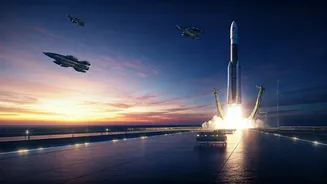
The original space race was a simple duel: the United States versus the Soviet Union, driven by geopolitical prestige. The landscape today is almost unrecognizably complex. While the US remains a leader, it's now joined by a host of ambitious nations.
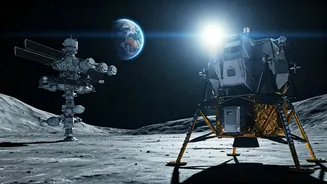
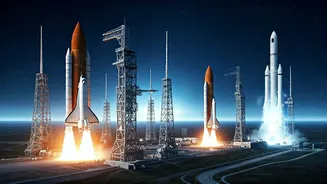
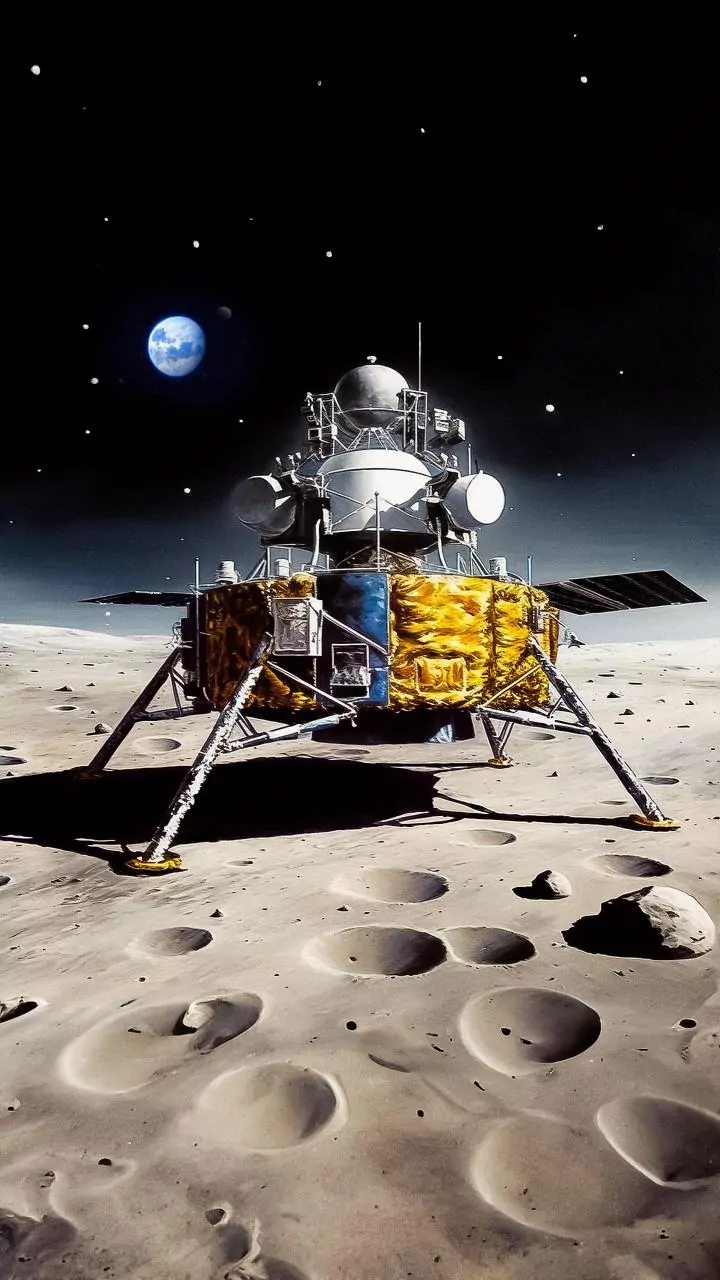
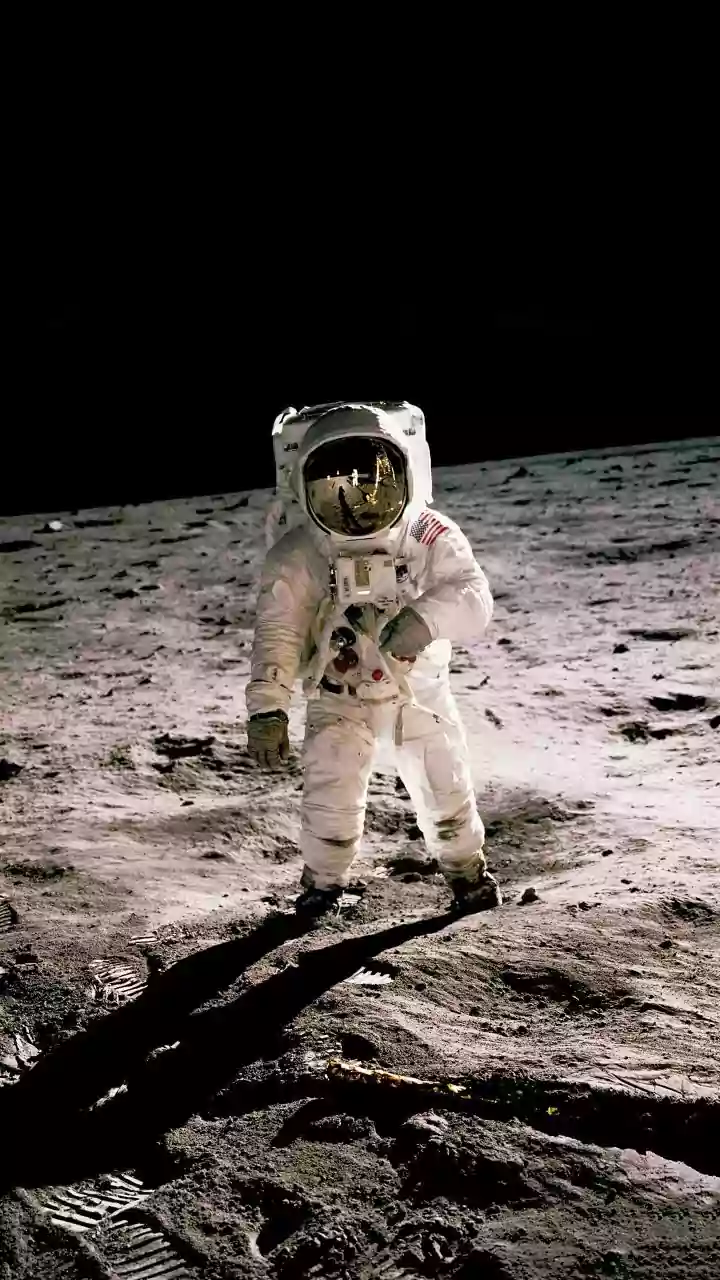
China is a formidable force, planning to land its 'taikonauts' on the Moon before 2030 and establish a permanent lunar base. [25, 32] India has emerged as a powerhouse of cost-effective innovation, becoming the first nation to land a probe on the lunar south pole with its Chandrayaan-3 mission. [13, 18] But the most significant change is the rise of the private sector. Companies like SpaceX, Blue Origin, and Rocket Lab are no longer just contractors; they are primary players, developing their own launch systems and driving the pace of innovation. [14, 24] SpaceX, for instance, now dominates the launch market, accounting for the vast majority of orbital flights and enabling mega-constellations like Starlink. [8, 11, 26]
It’s Not Just About Flags Anymore
The motivations have shifted dramatically from political symbolism to economic opportunity. The global space economy reached over US$600 billion in 2024 and is projected to exceed US$1.8 trillion within a decade. [22, 29] This boom is fueled by a new set of goals. Commercial services are at the forefront, with companies providing satellite internet, Earth observation data, and in-orbit services. [8, 15] Space tourism, once science fiction, is now a reality thanks to companies like Blue Origin. [23] Looking ahead, the focus is expanding to resource extraction, with serious plans for mining water-ice at the moon's poles to create fuel for deep-space missions. [15, 31] This shift means the new space race is less about national pride and more about creating a sustainable, off-world economy. [30]
The Reusable Revolution Changes Everything
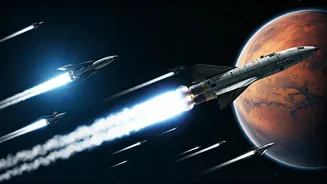
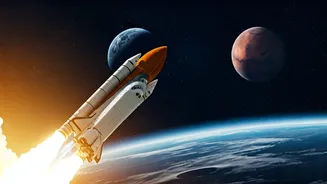
The single biggest catalyst for this new era is the collapse in launch costs, driven by reusable rocket technology. [4] For decades, rockets were single-use, disposable vehicles, making space access astronomically expensive. [10] Companies, led by SpaceX's Falcon 9, pioneered rockets whose first stages can land themselves and be refurbished for multiple flights. [4, 7] This has slashed the cost of reaching low-Earth orbit. Where it once cost tens of thousands of dollars to launch a single kilogram, reusable rockets have brought that price below $2,000, with ambitions to lower it further. [7, 9] This dramatic cost reduction has democratized access to space, enabling startups, universities, and a wider range of countries to participate in activities that were once the exclusive domain of superpowers. [7, 10]
A New Frontier with Unwritten Rules
This rapid expansion has created a new kind of geopolitical tension. While the 1967 Outer Space Treaty forbids any nation from claiming sovereignty over celestial bodies, it doesn't have clear rules for commercial activity or resource extraction. [16] In response, two competing blocs are emerging. The United States is leading the Artemis Accords, a set of principles for peaceful lunar exploration signed by dozens of countries, including India. [5, 16] In opposition, China and Russia are collaborating on the International Lunar Research Station (ILRS), their own vision for a moon base. [16, 21, 27] This divergence creates a critical question: who gets to set the precedents for traffic management, resource rights, and safety standards on the Moon and beyond? The first to establish a sustained presence could effectively write the rulebook for the next generation of space activity. [16]