







What Is Responsible Sanctuary Tourism?
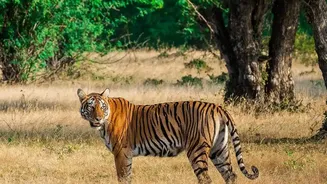
Responsible wildlife tourism is more than just following rules; it's a mindset focused on ensuring that our presence has a positive impact. The core idea is to put wildlife first, always. This means observing animals from a respectful distance without
disturbing their natural behaviour, never feeding them, and choosing tour operators who prioritise conservation. It also involves actively contributing to the local economy by hiring local guides and purchasing regional products, which creates an incentive for communities to protect their natural heritage. Ultimately, it's about leaving a place better than you found it, ensuring these wild spaces can thrive for generations to come.
Introducing Barda Wildlife Sanctuary
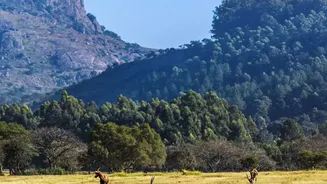
Located just 15 kilometres from the coastal city of Porbandar in Gujarat, Barda Wildlife Sanctuary is a hilly, forested area spread across 192.31 square kilometres. Declared a sanctuary in 1979, it is a region of immense biodiversity, boasting around 650 plant species, including many with medicinal properties. Historically, the area was divided between the princely states of Porbandar and Jamnagar. Today, it is a crucial habitat for animals like leopards, blue bulls, wild boars, and jackals. The sanctuary is also a haven for birdwatchers, with rare species like the crested hawk-eagle making their home here. Ethnic communities such as the Maldharis, Rabaris, and Gadhvis also reside in this region, their lives intertwined with the landscape.
A New Home for the Asiatic Lion
For decades, the world's only wild population of Asiatic lions was confined to Gir National Park. This posed a significant risk, as a single disease outbreak could be catastrophic. Barda Wildlife Sanctuary has been identified as a vital second home for these magnificent animals under Project Lion. This historic conservation effort saw the natural return of a male lion in 2023, followed by the planned introduction of several females. As of late 2026, studies confirm that a small, breeding population of lions is now re-established in Barda for the first time in nearly 144 years, a massive victory for Indian conservation.
Essential Point 1: Put Wildlife Welfare First
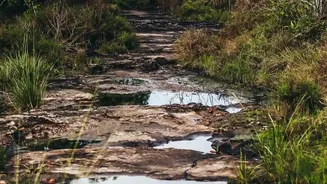
When visiting Barda, or any sanctuary, the animals' well-being is paramount. Maintain a safe and respectful distance at all times. Avoid loud noises and wear muted colours to blend into the environment and prevent startling the wildlife. Flash photography is a strict no-no as it can disorient and scare animals. Always stay on the designated safari tracks and trekking trails laid out by the forest department. True ethical tourism means sometimes sacrificing the 'perfect' photo to ensure an animal is not stressed. Reputable sanctuaries will never guarantee sightings or allow direct interaction, as this goes against conservation principles.
Essential Point 2: Support Local Communities
A responsible tourist understands that conservation and community welfare are linked. When visiting Barda, choose to stay in local hotels or homestays in nearby Porbandar. Hire registered local guides who possess invaluable knowledge of the terrain and its inhabitants. Their expertise not only enhances your experience but also provides them with a sustainable livelihood that depends on the health of the sanctuary. Purchasing locally made handicrafts and dining at local eateries ensures your tourism money directly benefits the people who coexist with this wildlife, making them partners in preservation.
Essential Point 3: Be an Ambassador for Conservation
Your trip doesn't end when you leave the sanctuary gates. Your entry and safari fees contribute directly to the sanctuary's upkeep and conservation projects. By choosing registered and ethical tour operators, you support businesses that are committed to sustainable practices. After your visit, share your experience and the importance of responsible travel with friends and family. Educating others about the beauty of places like Barda and the need to protect them is a powerful way to become an ambassador for conservation, ensuring India's natural treasures are preserved for the future.