



Why Look Beyond Gulmarg?
Gulmarg is Kashmir's premier winter sports destination, renowned for its gondola and world-class skiing. Its popularity, however, means it can be crowded and relatively expensive. For travellers seeking different kinds of winter magic—from serene, snow-covered
valleys to quiet riverside walks—Kashmir has several other gems. Exploring places like Pahalgam or Sonamarg can offer a more tranquil, equally breathtaking experience of the region's winter beauty, often with fewer crowds.
Pahalgam: A Quiet Valley of Shepherds
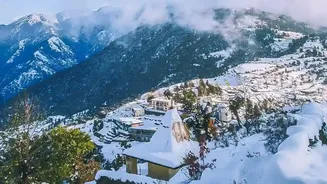
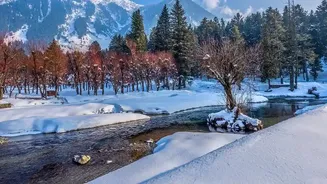
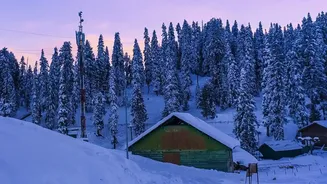
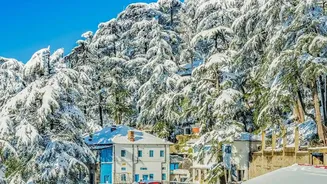
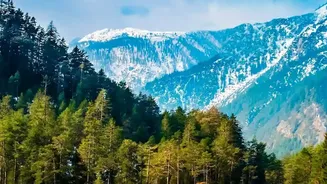
Pahalgam, known as the 'Valley of Shepherds', transforms into a peaceful winter wonderland. Located about 90 kilometres from Srinagar, the town remains accessible throughout winter, though the drive may take longer after snowfall. Here, the landscape is defined by the Lidder River flowing past snow-laden banks and dense pine forests. While it offers some basic skiing and sledding, Pahalgam's main winter draw is its tranquility. It’s an ideal spot for snow walks, photography, and simply unwinding in a serene environment. Key sights like Betaab Valley are usually open, but access to higher-altitude areas like Aru Valley and Chandanwari can be restricted after heavy snow.
Sonamarg: The Dramatic 'Meadow of Gold'
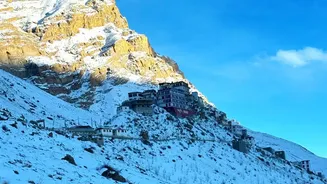
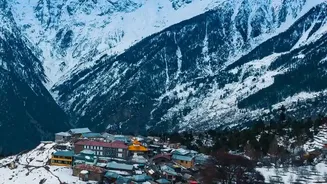
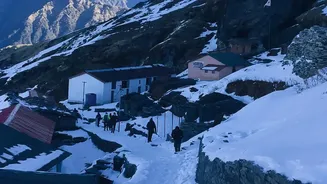
Historically cut off during winter, Sonamarg is now accessible for most of the season thanks to the Z-Morh Tunnel. This has opened up the 'Meadow of Gold' to winter tourism, revealing its dramatic, high-altitude landscapes under a thick blanket of snow. The drive from Srinagar takes around three hours in good conditions. While the town itself is open, it's important to note that access to attractions like Thajiwas Glacier is not guaranteed and depends heavily on local conditions and safety advisories. Sonamarg is perfect for those seeking stunning snow scenery, but its facilities are more limited than Gulmarg's, and flexibility is key.
Yusmarg: The Offbeat Meadow
For travellers looking to get truly off the beaten path, Yusmarg offers pristine, quiet meadows with far fewer visitors. Located about two hours from Srinagar, it’s a destination for those who want to experience the soul of winter in Kashmir without the crowds. Its accessibility can be an issue, especially in January and February when heavy snow can block roads. It's best visited as a day trip on a clear day with a local driver who knows the route well. Yusmarg offers simple pleasures like gentle snow walks and sledging in a profoundly peaceful setting.
Your Pre_Travel Condition Check
Winter travel in Kashmir requires careful planning. Weather can change rapidly, affecting road access and safety. Before and during your trip, it is essential to get reliable, up_to_date information from official sources. This proactive approach ensures you avoid disruptions and stay safe while enjoying the majestic winter landscapes.
How to Check Road Status
The most critical factor for any Kashmir road trip in winter is the status of the highways and local roads. The Jammu & Kashmir Traffic Police is the most reliable source for this information. They provide daily updates on their official social media channels (like X/Twitter) and website. For specific routes, you can contact their Traffic Control Units (TCUs). Key numbers include TCU Jammu (0191–2459048), TCU Srinagar (0194–2450022), and TCU Ramban (9419993745), which is crucial for the Jammu–Srinagar highway. Always confirm road status on the morning you plan to travel, as conditions can change overnight.
Monitoring Weather and Avalanche Risks
For weather forecasts, the India Meteorological Department (IMD) provides detailed, location–specific information for Jammu & Kashmir, including Srinagar, Pahalgam, and Gulmarg. This is your best source for temperature, precipitation, and visibility predictions. Equally important are avalanche warnings, which are issued by the Jammu and Kashmir Disaster Management Authority (JKDMA). These warnings specify danger levels for different districts and altitudes. Travellers should heed these advisories and avoid venturing into avalanche–prone areas, especially in the higher reaches of districts like Kupwara, Ganderbal, and Baramulla.