

Book Everything Months in Advance
The single most important change to your travel strategy is booking everything far earlier than you normally would. During major festivals like Navratri, Dussehra, and Diwali, tens of millions of people travel to be with their families. This creates an overwhelming
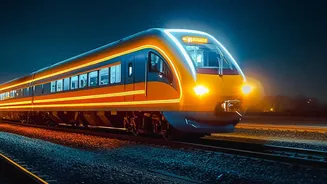
demand for transport and accommodation. Flights and, more significantly, trains on popular routes get fully booked months ahead. Hotels in key festival cities like Varanasi, Jaipur, or anywhere in Kerala during Onam can be sold out or see prices double or triple. To avoid disappointment and exorbitant costs, secure your flights, train tickets, and hotel rooms at least three to six months before your travel dates. Last-minute plans are simply not feasible during this peak period.
Prepare for Overwhelming Crowds
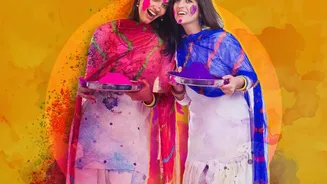
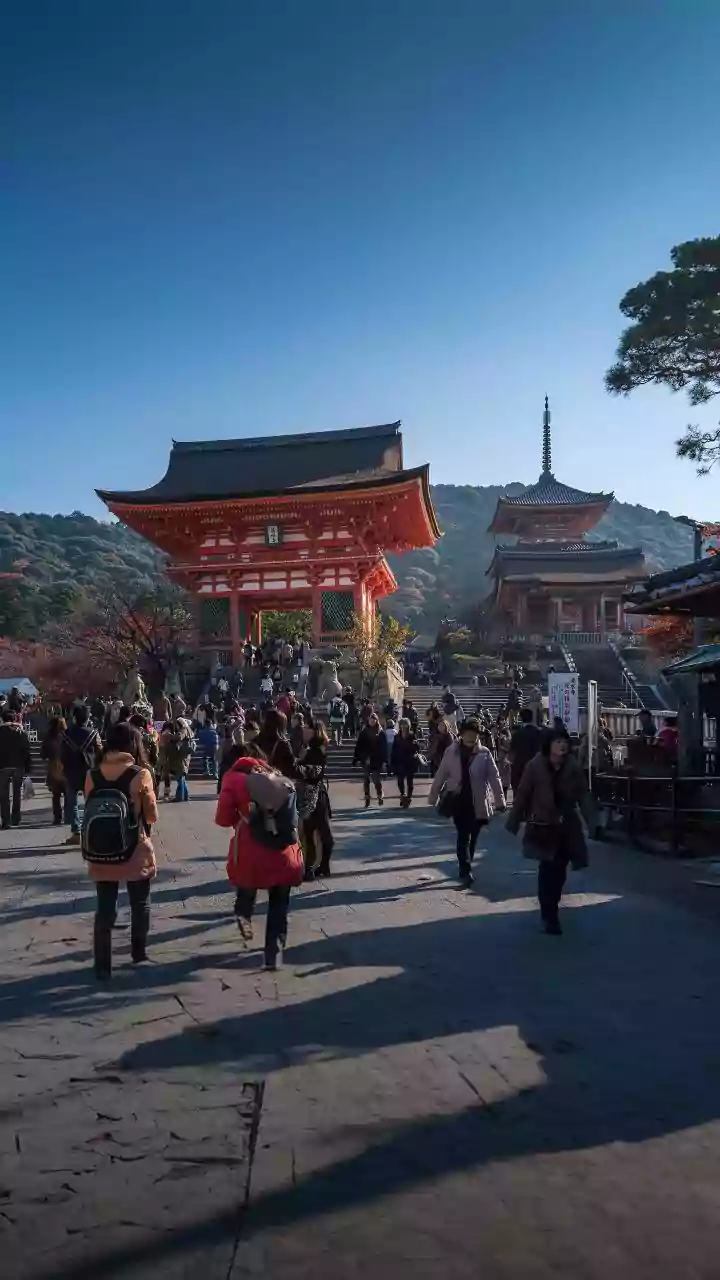
Social media photos often showcase the beauty of Indian festivals but omit the reality of the crowds. A local festival can attract more people than a major international sporting event, creating a density where personal space is non-existent. This is not just a minor inconvenience; it can be a significant safety concern, especially for those unaccustomed to such environments. Transport hubs, markets, and procession routes become incredibly congested. When attending events, keep valuables secure, stay aware of your surroundings, and if possible, travel with a group. For a less overwhelming experience, consider seeking out private, ticketed events at hotels or cultural centres, which offer a more controlled and family-friendly environment.
Build Flexibility into Your Itinerary
During festival season, your carefully planned itinerary is more of a suggestion than a schedule. Processions can shut down major roads for hours, shops may be closed on main festival days, and transport services can face unexpected delays. Rather than getting frustrated by disruptions, embrace them. The key is to build buffer days into your travel plans. Arrive at your destination at least a day or two before a major festival and plan to leave a day after. This approach allows you to absorb the atmosphere without the stress of rushing. Use a delay as an opportunity to explore a local market or a side street you would have otherwise missed. A flexible mindset is your most valuable asset.
Know the Key Festival Dates for 2026
India's main festival season runs from autumn through early winter. For 2026, the key dates to plan around are Sharad Navratri, the nine-night festival, which begins on October 11 and culminates with Dussehra on October 20. This period sees widespread celebrations, especially in North and West India. The biggest festival, Diwali, the festival of lights, will be celebrated on Sunday, November 8. The five-day Diwali period, starting from November 6, is when travel demand peaks across the entire country. Knowing these dates is crucial, as they will directly impact accommodation availability and travel logistics in popular destinations like Rajasthan, Varanasi, Delhi, and Mumbai.
Go Beyond a Spectator Role
While navigating the logistics requires caution, the purpose of travelling during this time is to experience the culture. Don't just watch from the sidelines. Festivals offer a unique window into India's rich traditions. Sample the special foods prepared only during these occasions, which provide a delicious insight into local customs. If you're invited into a home, accept the hospitality. Try to understand the stories behind the celebrations, whether it's the triumph of good over evil during Dussehra and Diwali or the community spirit of Durga Puja. Participating respectfully, even in a small way, can transform your trip from a series of logistical hurdles into a deeply rewarding cultural immersion.