




The Trouble with Intense Heat
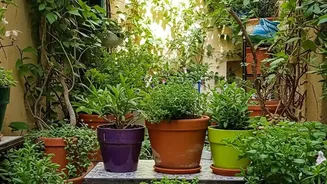
While we often associate herb gardens with sunny days, the scorching summer heat in many parts of India can be brutal for potted plants. Balconies, especially in urban settings, create microclimates where temperatures soar. Concrete walls and floors absorb
and radiate heat, and pots can dry out in a matter of hours. Many herbs, even those that love sun, can experience heat stress. This causes them to wilt, stop growing, or 'bolt'—flower prematurely—which often turns their leaves bitter and less flavourful. Small pots, in particular, heat up quickly, which can damage the plant's delicate root system. The constant need for watering can also wash away essential nutrients from the soil.
The Monsoon Advantage
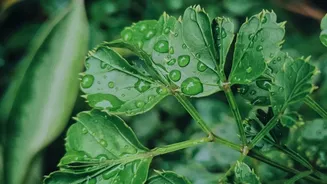
The arrival of the monsoon brings a welcome reprieve from the heat, and for many plants, it’s a period of rejuvenation. The cooler temperatures reduce stress, allowing plants to focus their energy on leaf production rather than mere survival. Rainwater is also naturally soft, slightly acidic, and free from the chlorine often found in tap water, making it healthier for plants. The increased humidity helps keep foliage fresh and green. This combination of cooler air, ample moisture, and better water quality creates an ideal environment for certain types of herbs to truly flourish.
Herbs That Flourish in the Rain
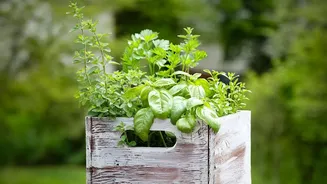
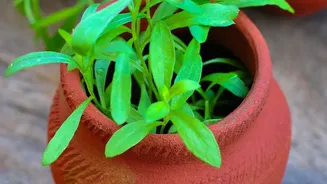
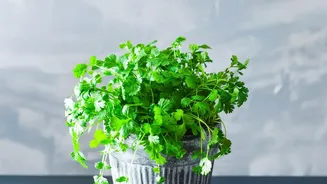
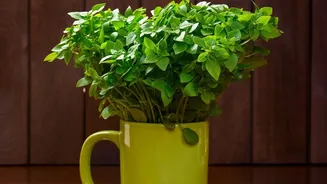
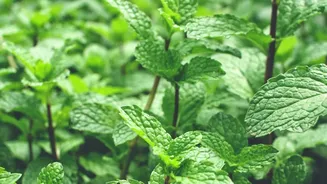
Not all herbs are created equal when it comes to handling moisture. The ones that truly shine during the monsoon are typically those with lush, soft leaves that appreciate cooler conditions. Mint (Pudina) is a prime example; it loves moisture and its growth can explode during the rainy season. Coriander (Dhania) is another cool-weather favourite that bolts quickly in summer heat but thrives in the milder, damp monsoon climate. Parsley, with its celery-like leaves, also prefers cooler temperatures and partial shade, making the monsoon an ideal growing period. Lemongrass and Tulsi (Holy Basil) are also robust growers that do exceptionally well with the moisture and warmth of the Indian monsoon.
Herbs That Need a Helping Hand
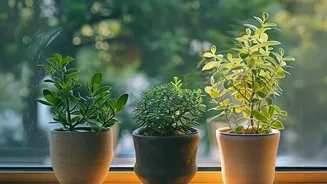
While some herbs are celebrating the rain, others need protection from it. Mediterranean herbs, which are adapted to dry, sunny climates, are particularly vulnerable. Overwatering is the main enemy here. Rosemary, thyme, and oregano need excellent drainage and hate having 'wet feet', which can lead to root rot. Too much moisture on the leaves can also make them susceptible to fungal diseases like powdery mildew. Even sweet basil, which loves warmth, can be prone to rot in the constant dampness of a Mumbai-style monsoon and may need to be moved to a covered spot. The key for these herbs is to ensure they are in pots with plenty of drainage holes and a gritty, fast-draining soil mix.
Essential Monsoon Care for Your Balcony Garden
To make the most of the season, a few adjustments to your routine are necessary. First and foremost, check your drainage. Ensure every pot has holes and isn't sitting in a saucer full of water. You can even raise pots on bricks or 'pot feet' to help excess water escape. While the rain is plentiful, don't assume you never have to water; pots under a deep overhang may still dry out. Feel the soil. Be vigilant about pests like snails and slugs, which are more active in damp weather, and look out for signs of fungal infections. Finally, consider giving your plants a boost with some manure or compost, as heavy rains can leach nutrients from the soil over time.