

The Core Principle: Sattvic Eating
The Janmashtami fast is rooted in the principle of consuming 'sattvic' foods—those that are pure, light, and calming to the mind and body. The goal is to purify oneself physically and mentally to focus on prayers and devotion. This means avoiding foods classified
as 'rajasic' (stimulating) and 'tamasic' (dulling), which are believed to cause restlessness and lethargy. The most common form of fasting is the 'Phalahar' vrat, which involves a diet of fruits, dairy, and specific non-grain items. Some devotees observe a stricter 'Nirjala' fast without any food or water.
Grains and Legumes: The Main Restriction
The most significant rule of the Janmashtami fast is the complete avoidance of grains and cereals. This includes staples like rice and wheat, as the headline suggests, but also extends to oats, barley, and millets. Similarly, all lentils and pulses, such as dal, chickpeas, and beans, are strictly forbidden. The fasting diet, often compared to Ekadashi fasting rules, centers on being grain-free to ensure the body remains light and the digestive system is not heavily burdened.
Vegetables to Keep Off Your Plate
Not all vegetables are considered appropriate for a vrat. Onions and garlic are the most prominent vegetables to be avoided as they are considered 'tamasic' and are believed to increase mental agitation. Many traditions also advise against consuming other vegetables like brinjal, radish, carrots, and beetroot. Some also avoid mushrooms. The list can vary between households, so it is always a good idea to follow your family's customs. Permitted vegetables usually include potatoes, sweet potatoes, raw banana, pumpkin, and bottle gourd (lauki).
Choosing the Right Spices and Salt
During the fast, regular table salt is strictly avoided. The only permissible salt is 'sendha namak' or rock salt, which is considered a purer, unprocessed form of salt. Many common spices are also excluded. This includes asafoetida (hing), turmeric (haldi), mustard seeds, and fenugreek seeds. Spices that are generally allowed in moderation include cumin, black pepper, and coriander powder to gently flavour the vrat dishes.
Processed Foods, Oils, and Other Restrictions
It is best to avoid all processed and packaged foods, as they may contain preservatives, additives, or hidden ingredients like grain flours or regular salt. Non-vegetarian food, including meat, fish, and eggs, is strictly forbidden. Alcohol and tobacco are also to be avoided entirely. When it comes to cooking, ghee and peanut oil are often the preferred mediums. Some traditions also suggest refraining from tea and coffee, as they can be stimulating.
What You Can Enjoy on Your Vrat Thali
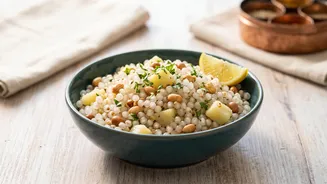
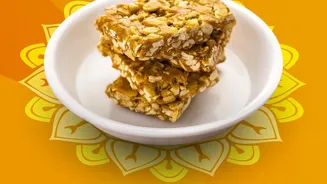
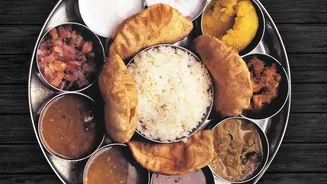
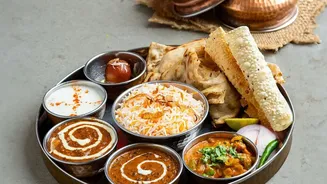
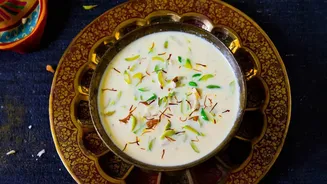
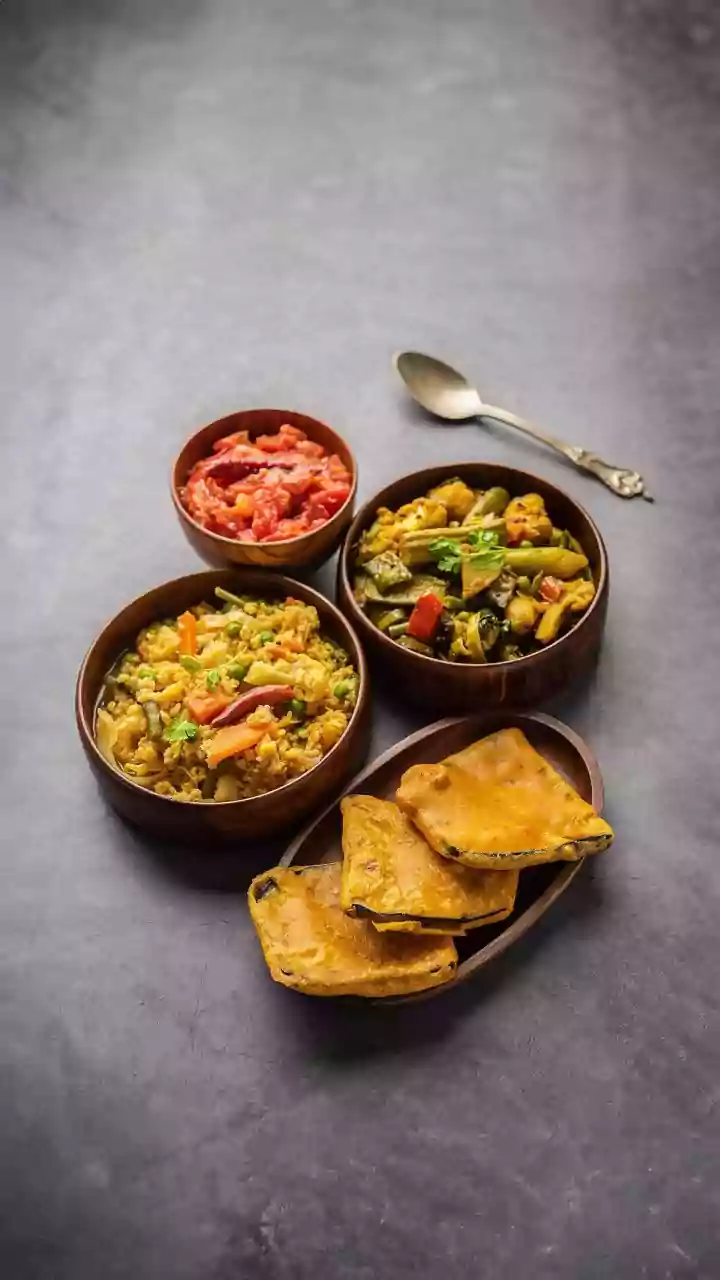
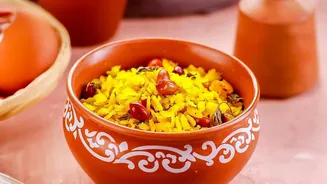
While the list of restrictions may seem long, the Phalahari diet is rich with options. All fresh fruits are encouraged. Dairy products like milk, curd, paneer, and buttermilk are central to the vrat diet. For carbohydrates, you can turn to fasting-specific flours like Kuttu ka atta (buckwheat flour), Singhare ka atta (water chestnut flour), and Rajgira kaatta (amaranth flour). Other staples include Sabudana (tapioca pearls), Samak ke chawal (barnyard millet), makhana (fox nuts), and potatoes, which can be used to make a variety of delicious dishes like khichdi, puris, vadas, and kheer.