

The Silk Road on a Shoestring
Move over, Southeast Asia. Young Indian travellers are increasingly looking towards Central Asia for their next adventure, and Uzbekistan is topping the list. The reason is simple: it offers a rare combination of epic history, stunning architecture, and remarkable
affordability. For Gen Z backpackers, it’s a destination that delivers high cultural value without the high price tag. Recent reports show a significant spike in interest and bookings for the country. The appeal lies in its safety, low travel costs, and rich heritage. While Western tourists have been trickling in for years, recent visa simplifications have opened the floodgates for a new wave of explorers. For Indians, the process is streamlined with a straightforward e-visa system, making the journey from Mumbai or Delhi to the heart of the Silk Road easier than ever.
What Your Rupee Can Buy
The primary driver for any backpacker is budget, and this is where Uzbekistan truly shines. A comfortable mid-range trip, excluding flights, can be managed within ₹45,000 per person for about 10 days. Daily expenses for food, local transport, and accommodation can range from ₹2,500 to ₹4,000. Clean, friendly hostels in the main cities of Samarkand, Bukhara, and Khiva are plentiful and cheap. A plate of the national dish, plov (a hearty rice pilaf with meat and vegetables), at a local chaikhana (tea house) can cost just a few hundred rupees. Transportation is another major win. The country boasts a modern, high-speed train network, the 'Afrosiyob', which connects major tourist hubs like Tashkent, Samarkand, and Bukhara efficiently and affordably. In cities, ride-hailing apps like Yandex Go offer taxi rides for a fraction of what one would pay in a major Indian city.
The Trio of Treasures: Samarkand, Bukhara, Khiva
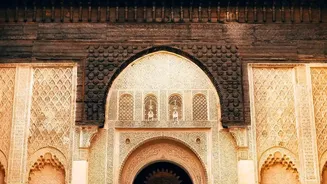
The country's tourism backbone is its trio of UNESCO World Heritage cities. Samarkand, the most iconic, is home to the majestic Registan Square, a breathtaking plaza flanked by three ornate madrasas that glitter with turquoise and gold mosaics. Then there is Bukhara, a living museum where the old city's labyrinthine alleys lead to ancient mosques, trading domes, and serene courtyards. It’s considered one of Central Asia's best-preserved historic cities. Finally, there's Khiva, a walled fortress-city that feels like stepping back in time. Beyond these, the modern capital, Tashkent, offers its own unique charm with a mix of Soviet-era architecture, leafy parks, and some of the most beautifully decorated metro stations in the world, each one a work of art.
More Than Just Monuments
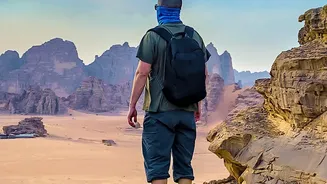
While the architecture is the main draw, the experience of travelling in Uzbekistan is what makes it memorable. The people are famously hospitable, a trait that shines especially bright when you venture off the beaten path. For a generation seeking connection, these interactions are as valuable as any monument. The country is also considered very safe for travellers, with a visible security presence and low rates of violent crime, which adds to its appeal for solo travellers and young groups. Furthermore, the rise of adventure tourism offers opportunities for trekking in the mountains, exploring the Kyzylkum Desert, or visiting the shrinking Aral Sea, appealing to Gen Z's desire for diverse experiences.
Practical Pointers for Indian Travellers
Getting to Uzbekistan is relatively straightforward. Indian citizens require an e-visa, which can be applied for online before travel. The application is simple and processing usually takes a few working days. A key requirement upon arrival is registration; if you're staying in hotels, they handle this automatically, providing you with small registration slips you should keep until departure. While Uzbek is the official language, Russian is widely spoken, and English is increasingly common in tourist centres. It's wise to download an offline translator app and a ride-hailing app like Yandex Go. For currency, carry US dollars to exchange for the local currency, the Uzbek Som (UZS), upon arrival for the best rates. While cards are accepted in larger hotels and restaurants in Tashkent, Uzbekistan is still largely a cash-based economy, especially in markets and smaller towns.