



1. Understand Your Light
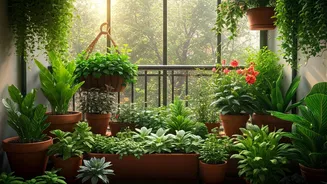
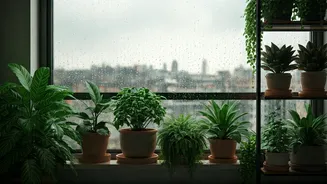
The most common advice is "bright, indirect light," but what does that mean? Think of it this way: your plant should be able to see a wide view of the sky but not have direct sunbeams hitting its leaves for more than an hour or two, especially in the harsh
afternoon. A spot a few feet back from an east-facing window is often perfect. Low-light plants like the ZZ or Snake Plant can tolerate darker corners, but even they appreciate some ambient light. Observe how the sun moves through your home for a few days before deciding on a permanent spot for a new plant. Rotating your plants a quarter turn every week also ensures all sides get some light, preventing them from leaning.
2. Master the Art of Watering
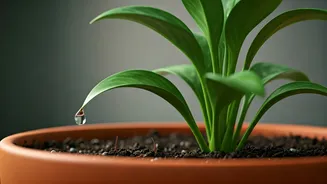
Overwatering is the number one killer of houseplants. Roots that sit in water-logged soil can't breathe, leading to root rot. Instead of watering on a strict schedule, check the soil first. The classic 'finger test' is your best friend: stick your index finger about an inch into the soil. If it comes out dry, it's time to water. If it's damp, wait a few more days. When you do water, do it thoroughly until water drains from the bottom. This encourages deep root growth. For many plants, especially those in terracotta pots, consider 'bottom watering'—placing the pot in a tray of water for 20-30 minutes and letting it soak up moisture from the base. This prevents fungus gnats and ensures the entire root ball is hydrated.
3. Drainage is Non-Negotiable
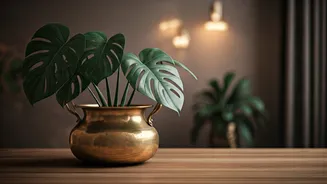
This ties directly into watering. Every pot must have a drainage hole. If you fall in love with a decorative pot that doesn't have one, use it as a 'cachepot'. Keep your plant in its plastic nursery pot (which has holes) and simply place it inside the decorative one. After watering, wait about 30 minutes and then tip out any excess water that has collected at the bottom of the cachepot. Adding a layer of pebbles at the bottom of a pot without a hole does not work; it just creates a soggy, stagnant layer where bacteria can thrive and rot your plant's roots from the bottom up.
4. Don't Be Eager to Repot
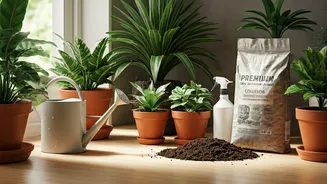
It’s exciting to bring a new plant home, and the first instinct is often to give it a bigger, prettier pot. Resist the urge. Most houseplants actually prefer to be slightly 'root-bound' or snug in their pots. A pot that is too large holds excess soil, which in turn holds excess moisture that the small root system can't absorb, leading straight back to root rot. Signs that it's truly time to repot include roots growing out of the drainage holes, the soil drying out extremely quickly, or the plant's growth visibly slowing during its growing season. When you do repot, only go up one pot size (about 1-2 inches in diameter).
5. Clean Your Plant's Leaves
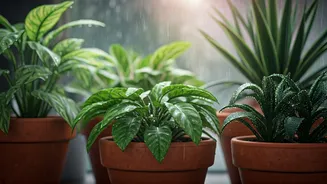
In our homes, dust settles on everything—including plant leaves. A layer of dust can block sunlight and hinder photosynthesis, the process by which a plant creates its food. This is like putting a dusty screen over your plant's solar panels. For smooth-leaved plants like the Money Plant (Pothos) or Rubber Plant, gently wipe the leaves down with a damp cloth every few weeks. For fuzzy-leaved plants like African Violets, use a soft brush. This simple act not only helps your plant breathe and absorb light more efficiently but also gives you a chance to inspect it for any early signs of pests.
6. Feed Them, But Not Too Much
Soil only contains a finite amount of nutrients. During the growing season (typically spring and summer), your plants will benefit from a little extra food. A balanced liquid fertiliser, diluted to half-strength, applied every 4-6 weeks is a good starting point for most common houseplants. However, it's crucial to stop fertilising in the autumn and winter when most plants are dormant. Fertilising a dormant plant can burn its roots as it isn't actively using the nutrients. Always water the plant before you fertilise to avoid shocking the root system.