





The Allure of Cascading Waters
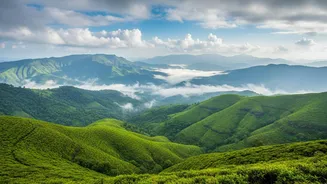
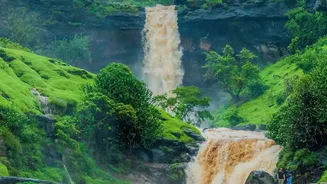
When the first rains arrive, the rugged, sun-scorched hills of the Western Ghats undergo a dramatic makeover. What were once dry cliffs become channels for gushing, milky-white torrents of water that plunge into valleys below. For residents of Mumbai,
Pune, and Nashik, this natural spectacle offers a perfect weekend getaway. The combination of mist-covered hills, the roar of falling water, and the vibrant green landscape makes waterfall-chasing a beloved monsoon ritual. From family-friendly picnic spots with easy access to challenging treks leading to hidden cascades, there is a waterfall for every type of traveller.
Thoseghar Falls, Satara
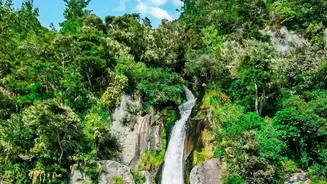
A true giant among Maharashtra's waterfalls, Thoseghar is a series of cascades with one plunging from a height of over 200 metres. Located about 20 km from Satara city, it's a well-managed tourist spot with a dedicated viewing platform that offers a safe and panoramic view of the multiple falls thundering into a deep gorge. While entry to the base of the falls is restricted for safety, the view from the gallery is breathtaking, making it a favorite for families and photographers. The best time to visit is from July to November, when the monsoon feeds the falls, making them incredibly spectacular.
Randha Falls, Bhandardara
Near the tranquil hill station of Bhandardara, Randha Falls is a powerful spectacle formed by the Pravara River, which drops 170 feet into a gorge. During the peak monsoon months of July and August, the waterfall is at its most voluminous and impressive. A well-maintained viewpoint and bridge allow visitors to get a fantastic view of the roaring water. Its proximity to other attractions like Arthur Lake and Wilson Dam makes it part of a popular monsoon circuit for tourists looking for a scenic drive and a powerful display of nature.
Bhivpuri Waterfall, Karjat
A perennial favorite for those in and around Mumbai, Bhivpuri Waterfall in Karjat is highly accessible, making it ideal for a quick day trip. A short train ride to Bhivpuri Road station followed by an easy walk of about 30 minutes brings you to the base of this lively cascade. It's particularly popular among beginners and families, with plenty of local food stalls available nearby. During the monsoon, the area is also a hub for adventure activities like waterfall rappelling, attracting thrill-seekers looking for an adrenaline rush amidst the greenery.
Devkund Waterfall, Raigad
Often called the ‘Bathing Pond of Gods’, Devkund is a secluded plunge waterfall that ends in a stunning turquoise pool. Reaching this hidden gem near the village of Bhira requires a trek of about 5-6 km through a dense forest, involving river crossings and navigating rocky patches. Due to its popularity and to ensure safety, access is often regulated, and taking a local guide is mandatory. Swimming in the deep plunge pool is strictly prohibited because of strong currents, but the scenic beauty makes the moderately difficult trek well worth the effort.
Safety Must Come First
The magic of monsoon travel comes with inherent risks. Recent government advisories for 2026 have highlighted the dangers, with some areas facing temporary restrictions during periods of heavy rain or red alerts. Always check the latest weather forecasts and local district orders before planning your trip. Many popular treks and waterfalls in districts like Pune and Raigad now operate under strict rules to prevent accidents. Avoid visiting during exceptionally heavy downpours when risks of landslides and flash floods are high. Never underestimate the force of water; stay away from the edges of cliffs and avoid crossing swollen streams. Risky selfies and stunts have led to tragic incidents, prompting authorities to enforce stricter rules.
Plan Your Monsoon Trip
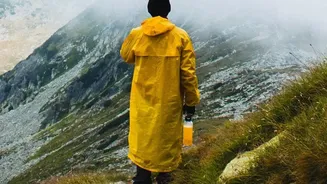
To make the most of your waterfall adventure, a little preparation goes a long way. Wear sturdy footwear with excellent grip, as rocks and trails become extremely slippery. Quick-drying clothes and a reliable raincoat are essential. To avoid massive crowds, try to visit on weekdays rather than weekends. Carry a waterproof bag for your electronics, a basic first-aid kit, and enough drinking water. Mobile networks are often patchy in these remote areas, so inform someone of your itinerary before you head out. Finally, be a responsible tourist by not leaving any litter behind, helping to preserve the natural beauty of these incredible locations.