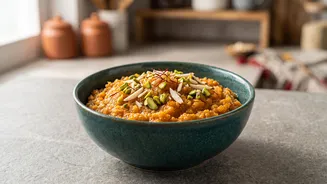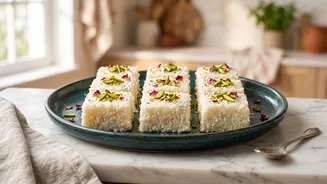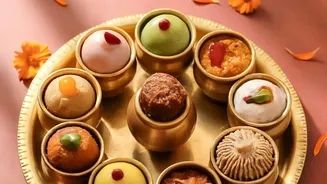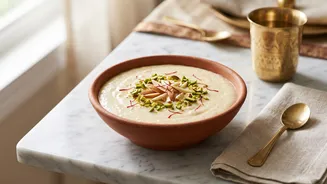



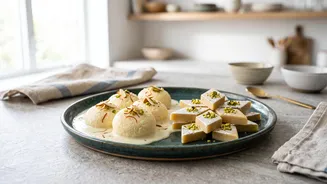
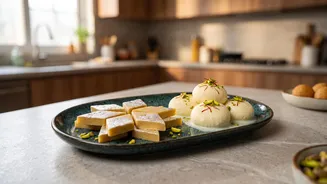
As the festive lights of Diwali give way to the cherished sibling bond of Bhai Dooj, the exchange of sweets takes centre stage. This year, why not add a modern, healthy twist to tradition with the delightful Fig Barfi?
The Sweet Significance of Bhai Dooj
Bhai Dooj, celebrated on the second
day of the bright fortnight in the Hindu month of Kartika, is a festival dedicated to the unique bond between brothers and sisters. On this day, sisters apply a 'tilak' on their brothers' foreheads, perform an aarti, and pray for their long life and prosperity. In return, brothers offer gifts and a promise of protection. Central to this celebration is the sharing of sweets, a tradition that symbolises the sweetness, affection, and joy of their relationship. Every piece of mithai shared is not just a treat, but an expression of love and a reinforcement of family ties.
Introducing Anjeer Barfi: A Modern Classic
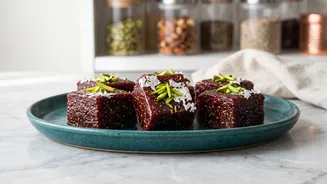
While traditional sweets like Kaju Katli and Besan Laddoos are staples, a new favourite is gaining popularity: Anjeer Barfi. 'Anjeer' is the Hindi word for fig, and this barfi is a dense, chewy, and wonderfully rich sweet made primarily from dried figs and nuts. Unlike many conventional Indian sweets that rely heavily on refined sugar and mawa (milk solids), Anjeer Barfi often derives its sweetness naturally from the figs themselves, and sometimes from dates. This gives it a unique, jam-like flavour with a delightful texture from chopped almonds, pistachios, and cashews. Its flavour is both decadent and wholesome, making it a perfect fit for modern festive platters.
A Healthier Indulgence for the Festival
One of the biggest appeals of Fig Barfi is that it aligns with a more health-conscious approach to festive eating. Many recipes for Anjeer Barfi are considered 'sugar-free' because they contain no added refined sugar. The natural sugars from dried figs and dates provide ample sweetness. Figs are a nutritional powerhouse, packed with dietary fibre, which aids digestion, and essential minerals like potassium and calcium. Nuts add healthy fats and protein, making this sweet a more balanced option that provides sustained energy instead of a sugar rush. This makes it a guilt-free indulgence that can be enjoyed by everyone in the family.
The Simple Art of Making Fig Barfi at Home
Creating this delicacy at home is surprisingly simple. The process generally involves soaking dried figs and dates in hot water to soften them. These are then blended into a coarse, sticky paste. In a pan, a small amount of ghee (or coconut oil for a vegan version) is heated, and chopped nuts like almonds, cashews, and pistachios are lightly toasted. The fig and date paste is then added and cooked for a few minutes until it thickens and starts to pull away from the sides of the pan. Aromatic spices like cardamom powder are often mixed in. The mixture is then spread onto a greased plate or parchment paper, garnished with more nuts, and allowed to set before being cut into squares or diamond shapes.
Perfecting Your Bhai Dooj Platter
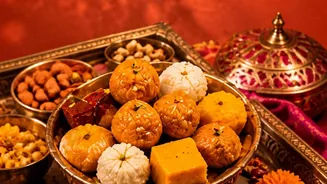
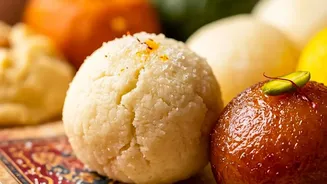
The rich, deep flavour of Anjeer Barfi complements other traditional Indian sweets beautifully. Its dense, chewy texture provides a wonderful contrast to crumbly laddoos or silky milkbased sweets. When arranging your festive platter for Bhai Dooj, consider placing pieces of the darkhued Fig Barfi alongside lightercoloured sweets like Coconut Barfi or Motichoor Laddoos for a visually appealing spread. The natural, rustic look of the barfi, studded with pieces of nuts, adds an element of homemade charm and thoughtful care to your offering, perfectly embodying the spirit of the festival.