





The Invisible Threat: What is a Power Surge?
A power surge is a sudden spike in your home’s electrical voltage. Normally, the current in Indian homes is stable, but a surge pushes the voltage far above the standard level for a fraction of a second. While many surges are small and go unnoticed, larger
ones can act like a shockwave through your wiring. This excess energy is more than the delicate circuits in modern electronics are designed to handle, leading to immediate or gradual damage. These spikes can originate from outside your home, like during a storm, or from within, caused by large appliances cycling on and off.
Why Monsoons Magnify the Risk
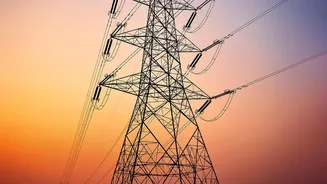
The monsoon season creates a perfect storm for electrical instability. Lightning is a primary culprit, as a single strike on or near power infrastructure can send millions of volts of electricity down the lines. Heavy rains and strong winds can cause trees to fall on power lines, leading to shorts and fluctuations. Furthermore, when the local grid experiences an outage and then restarts, the restoration of power is often accompanied by a significant surge that can hit every connected home. Water seeping into electrical systems can also cause short circuits and erratic voltage, making this season particularly hazardous for your gadgets.
The Most Vulnerable Devices in Your Home
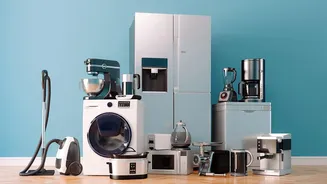
Not all electronics are created equal when it comes to surge vulnerability. Devices with sensitive microprocessors are most at risk. This includes your expensive flat-screen TVs (OLED, QLED), home theatre systems, and gaming consoles. Computers and laptops, which contain delicate motherboards and store invaluable data, are also prime targets. Modern kitchen appliances like refrigerators, microwaves, and dishwashers now run on electronic control boards that are easily fried. Even smaller items like Wi-Fi routers, smart home hubs, and phone chargers are constantly plugged in and exposed.
Your First Line of Defence: Surge Protectors
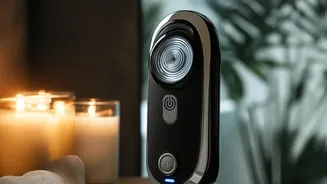
A common mistake is assuming any multi-outlet power strip is a surge protector. A true surge protector is designed to absorb and divert excess voltage away from your devices. The key specification to look for is its joule rating. This number tells you how much energy the protector can absorb before it fails. A higher joule rating means better protection. For valuable electronics like a computer or a high-end TV, look for a rating of 2000 joules or more. For less critical items, a rating of 600 to 1000 joules might be sufficient. Remember that a surge protector's capacity is finite; it wears out after absorbing one large surge or many smaller ones over time.
For Critical Devices: Uninterruptible Power Supply (UPS)
While a surge protector guards against voltage spikes, an Uninterruptible Power Supply (UPS) does that and more. A UPS contains a battery that provides temporary, seamless power the instant the main supply is cut. This is crucial for devices like desktop computers or servers, as it gives you a window of time to save your work and shut down properly during a blackout, preventing data loss or file corruption. Most UPS systems include built-in surge protection, offering a two-in-one solution for your most critical and sensitive equipment.
Simple Habits for Ultimate Protection
Beyond investing in hardware, a few simple habits can significantly reduce your risk. The most effective method is also the simplest: when you know a severe thunderstorm is approaching, unplug your most valuable electronics from the wall outlet. This physically disconnects them from the path of a potential surge. Additionally, consider having a licensed electrician inspect your home's wiring, especially if it's an older property. For comprehensive security, you can also inquire about whole-home surge protection, a device installed at your main electrical panel to stop major external surges before they even enter your house's wiring.